
DESCRIPTION
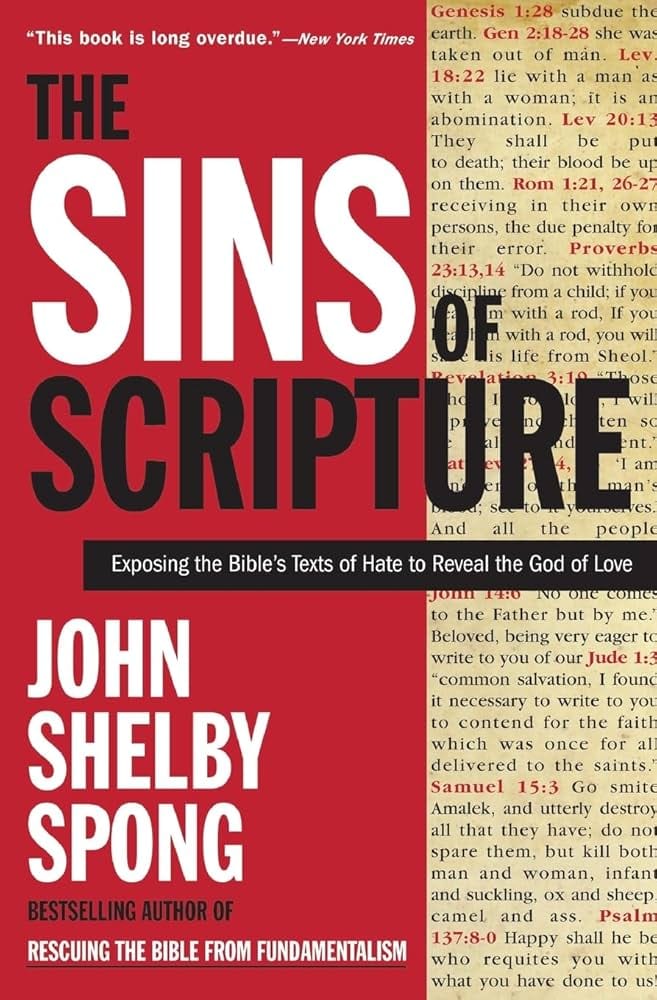
In the history of the Western World, the Bible has been a perpetual source of inspiration and guidance for countless Christians. However, this Bible has also left a trail of pain. It is undeniable that the Bible is not always used for good. Sometimes the Bible can seem overtly evil. Sometimes its texts are terrible. Bishop John Shelby Spong boldly approaches those texts that have been used through history to justify the denigration or persecution of others while carrying with them the implied and imposed authority of the claim that they were the “Word of God.” As he exposes and challenges what he calls the “terrible texts of the Bible”, laying bare the evil done by these texts in the name of God, he also seeks to redeem these texts, hoping to recover their ultimate depth and purpose. Spong looks specifically at texts used to justify homophobia, anti-Semitism, treating women as second-class humans, corporal punishment, and environmental degradation, but he also delivers a new picture of how Christians can use the Bible today. As Spong battles against the way the Bible has been used throughout history, he provides a new framework, introducing people to a proper way to engage this holy book of the Judeo-Christian tradition.
My Summary
Main Ideas, Takeaways & Similarities
Questions
I. What is the problem?
A. How is this problem formulated?
B. Why is this problem important?
C. What is the history of this problem?
D. Which prominent personalities have been interested in this problem?
II. What solutions to the problem are there?
A. What are the conclusions reached?
B. By what argument(s) is the conclusion reached?
C. What facts or assumptions serve as premises?
D. When a prominent personality offers a solution, does he also argue for or against other prominent personalities? Does he raise objections to alternative solutions? Does he consider objections to his own solutions?
III. Evaluation
A. What are the advantages and disadvantages of the alternative formulations to the problem?
B. Has the importance or history of the problem ever been misrepresented?
C. Are the solutions logically related to the premises?
D. Are the facts true? Are the assumptions acceptable? Are the objections answerable?
AI Summary
Highlights
“The Sins of Scripture: Exposing the Bible’s Texts of Hate to Reveal the God of Love” by John Shelby Spong is a book that critically examines certain passages in religious scriptures, particularly the Bible, that have been used to justify hate, discrimination, and exclusion. It seeks to reinterpret these texts in a more inclusive and loving light. Here is a comprehensive summary of the book in bullet points:
- The book challenges the traditional interpretations of select passages from religious scriptures, primarily focusing on the Bible, which have been used to justify hatred, prejudice, and discrimination.
- John Shelby Spong argues that some biblical verses have been taken out of context or misinterpreted to promote exclusion, misogyny, homophobia, and other forms of intolerance.
- He explores various controversial topics within the Bible, including passages that appear to condone slavery, condemn homosexuality, subjugate women, and promote violence.
- Spong emphasizes the need to distinguish between the cultural and historical context in which these texts were written and the timeless principles of love and compassion that he believes lie at the core of spirituality.
- The book presents an alternative interpretation of these passages, suggesting that they should be read in the light of love, justice, and inclusivity rather than as justifications for discrimination.
- Spong calls for a more progressive and compassionate approach to religion, advocating for the acceptance and inclusion of marginalized groups within religious communities.
- He critiques the literalist and fundamentalist interpretations of religious texts and argues for a more metaphorical and symbolic reading that embraces the evolving understanding of human rights and equality.
- The book discusses the role of religious leaders in perpetuating harmful interpretations and calls on them to take a more responsible and inclusive stance.
- Spong also explores the historical and cultural evolution of religious beliefs and practices, highlighting the need for religion to adapt to the changing moral landscape of society.
- “The Sins of Scripture” encourages readers to engage in a thoughtful and critical examination of religious texts and to question interpretations that promote hatred or discrimination.
- Spong’s ultimate message is that love and compassion should be at the heart of any true spiritual practice, and that religious texts should be interpreted in ways that promote these values.
“The Sins of Scripture: Exposing the Bible’s Texts of Hate to Reveal the God of Love” challenges traditional interpretations of certain passages in the Bible that have been used to justify hate and discrimination. John Shelby Spong advocates for a more inclusive and compassionate approach to religion, emphasizing the importance of love and justice in spiritual practice. The book encourages readers to critically examine religious texts and to reinterpret them in a way that promotes acceptance, equality, and the inherent worth of all individuals.