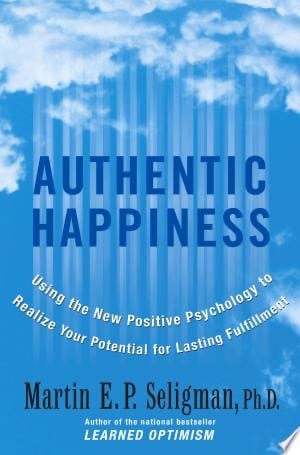
DESCRIPTION
Shows how to develop natural buffers against misfortune by using positive strengths and traits you already possess such as originality, humour and optimism.
My Summary
Main Ideas, Takeaways & Similarities
Questions
I. What is the problem?
A. How is this problem formulated?
B. Why is this problem important?
C. What is the history of this problem?
D. Which prominent personalities have been interested in this problem?
II. What solutions to the problem are there?
A. What are the conclusions reached?
B. By what argument(s) is the conclusion reached?
C. What facts or assumptions serve as premises?
D. When a prominent personality offers a solution, does he also argue for or against other prominent personalities? Does he raise objections to alternative solutions? Does he consider objections to his own solutions?
III. Evaluation
A. What are the advantages and disadvantages of the alternative formulations to the problem?
B. Has the importance or history of the problem ever been misrepresented?
C. Are the solutions logically related to the premises?
D. Are the facts true? Are the assumptions acceptable? Are the objections answerable?
AI Summary
“Authentic Happiness: Using the New Positive Psychology to Realize Your Potential for Lasting Fulfillment” is a book by Martin Seligman that explores the field of positive psychology and offers insights into how individuals can cultivate happiness and well-being in their lives. Here’s a comprehensive summary in bullet points:
Title: Authentic Happiness: Using the New Positive Psychology to Realize Your Potential for Lasting Fulfillment
Content Overview:
- Introduction:
- Introduces the concept of positive psychology, a field focused on studying human strengths and well-being.
- Explains how traditional psychology often focused on mental illness and how positive psychology aims to explore happiness and life satisfaction.
- The Pleasant Life:
- Discusses the pursuit of pleasure and the role of positive emotions in happiness.
- Highlights the importance of savoring positive experiences and fostering gratitude.
- The Good Life:
- Explores the concept of the “good life” and how it involves using one’s strengths and talents to achieve excellence.
- Introduces the concept of signature strengths and their role in personal development.
- The Meaningful Life:
- Discusses the search for meaning and purpose in life.
- Explores how engaging in activities that contribute to a greater good can enhance happiness.
- Positive Psychology at Work:
- Applies the principles of positive psychology to the workplace.
- Discusses the importance of using one’s strengths at work and fostering positive relationships with colleagues.
- Positive Education:
- Advocates for the inclusion of positive psychology in education.
- Discusses the benefits of teaching students skills for well-being and character development.
- Love:
- Explores the role of love and positive relationships in happiness.
- Discusses the importance of nurturing loving relationships and the benefits of social connections.
- Spirituality, Religion, and the Meaningful Life:
- Examines the role of spirituality and religion in providing a sense of meaning and purpose.
- Discusses how different belief systems contribute to well-being.
- Epilogue:
- Summarizes the key concepts and insights presented in the book.
- Encourages readers to apply the principles of positive psychology in their lives to enhance their overall well-being.
Legacy:
- “Authentic Happiness” is considered a foundational text in the field of positive psychology.
- It has influenced the way psychologists and researchers approach the study of happiness and well-being.
- The book offers practical advice and exercises for individuals to cultivate happiness, meaning, and fulfillment in their lives.