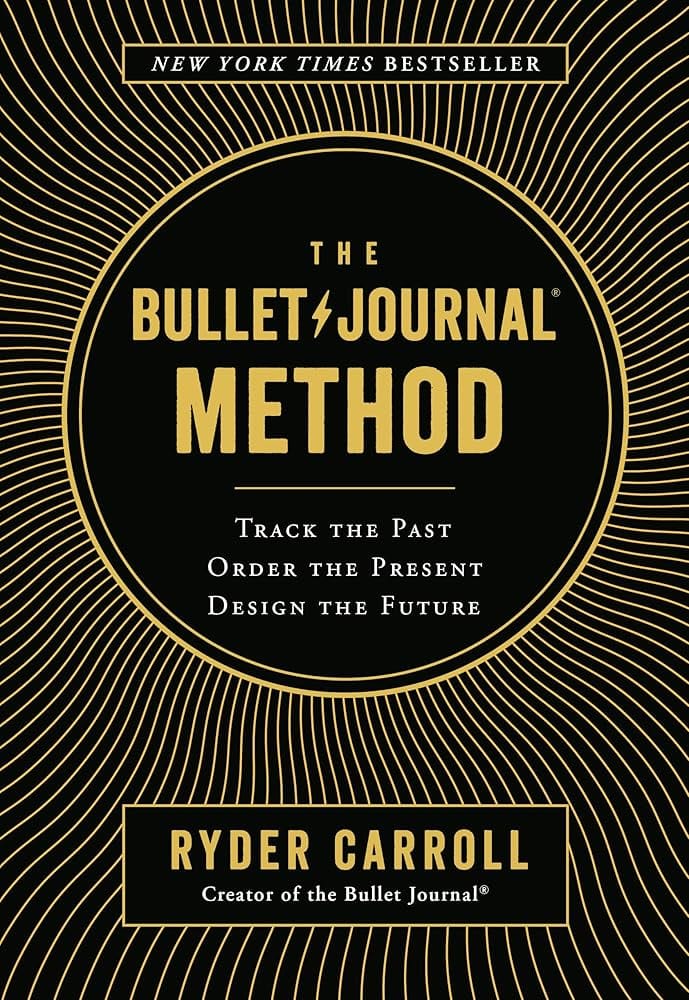

DESCRIPTION
The system combines elements of a wishlist, a to-do list, and a diary. It makes it easy to get thoughts out of your head and onto paper, to see them clearly and decide what to do about them
My Summary
Main Ideas, Takeaways & Similarities
Questions
I. What is the problem?
A. How is this problem formulated?
B. Why is this problem important?
C. What is the history of this problem?
D. Which prominent personalities have been interested in this problem?
II. What solutions to the problem are there?
A. What are the conclusions reached?
B. By what argument(s) is the conclusion reached?
C. What facts or assumptions serve as premises?
D. When a prominent personality offers a solution, does he also argue for or against other prominent personalities? Does he raise objections to alternative solutions? Does he consider objections to his own solutions?
III. Evaluation
A. What are the advantages and disadvantages of the alternative formulations to the problem?
B. Has the importance or history of the problem ever been misrepresented?
C. Are the solutions logically related to the premises?
D. Are the facts true? Are the assumptions acceptable? Are the objections answerable?
AI Summary
Highlights
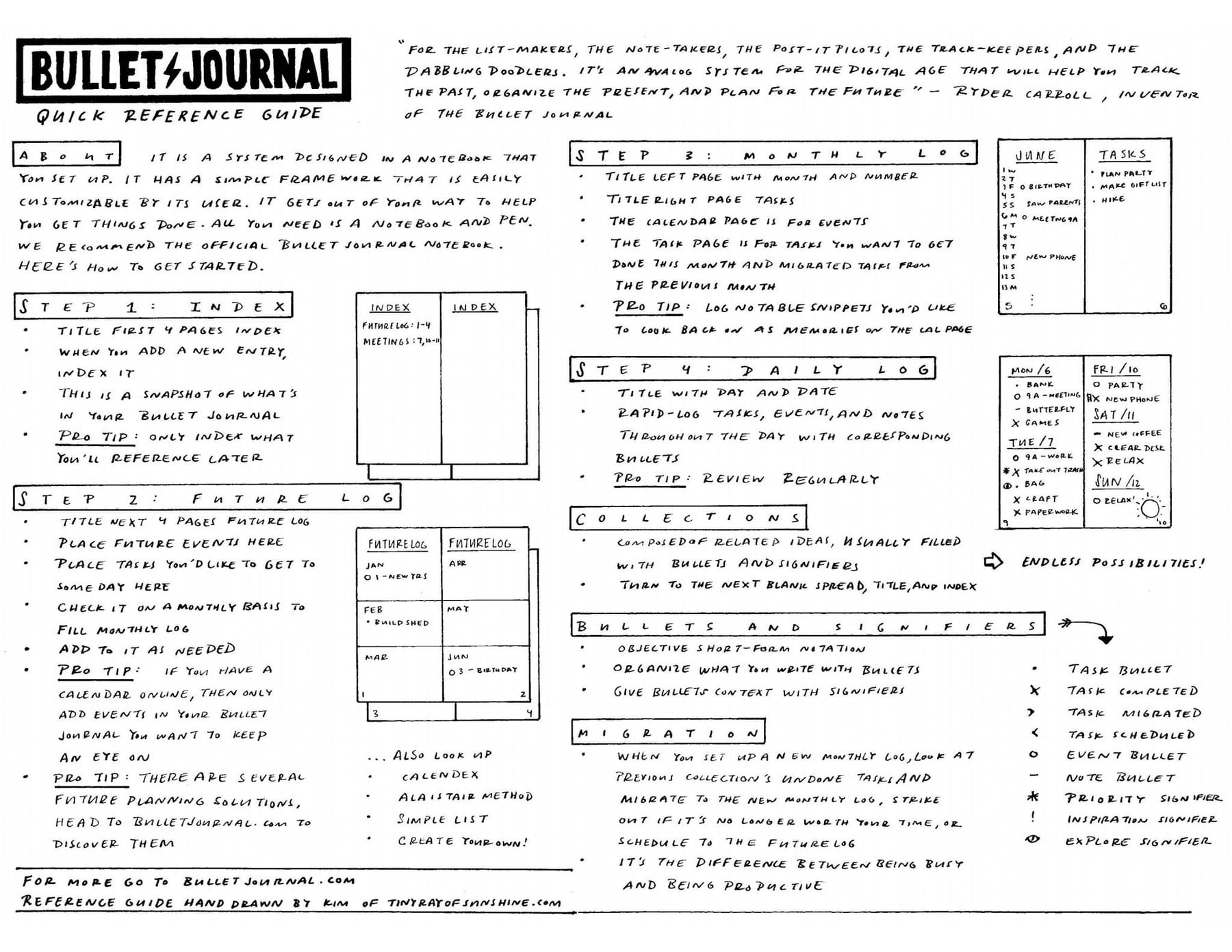
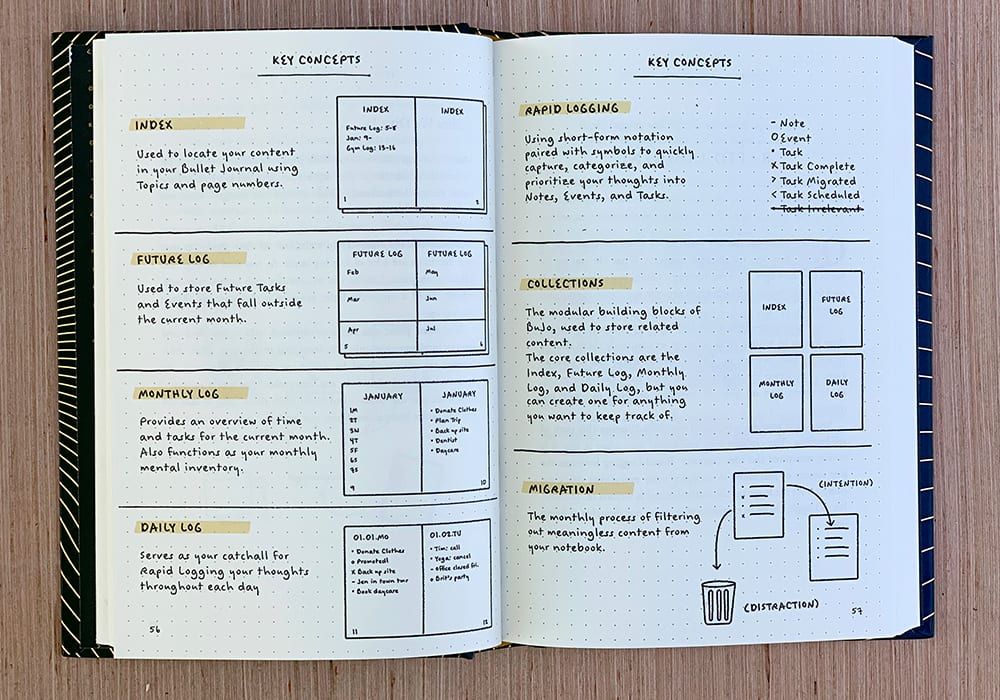
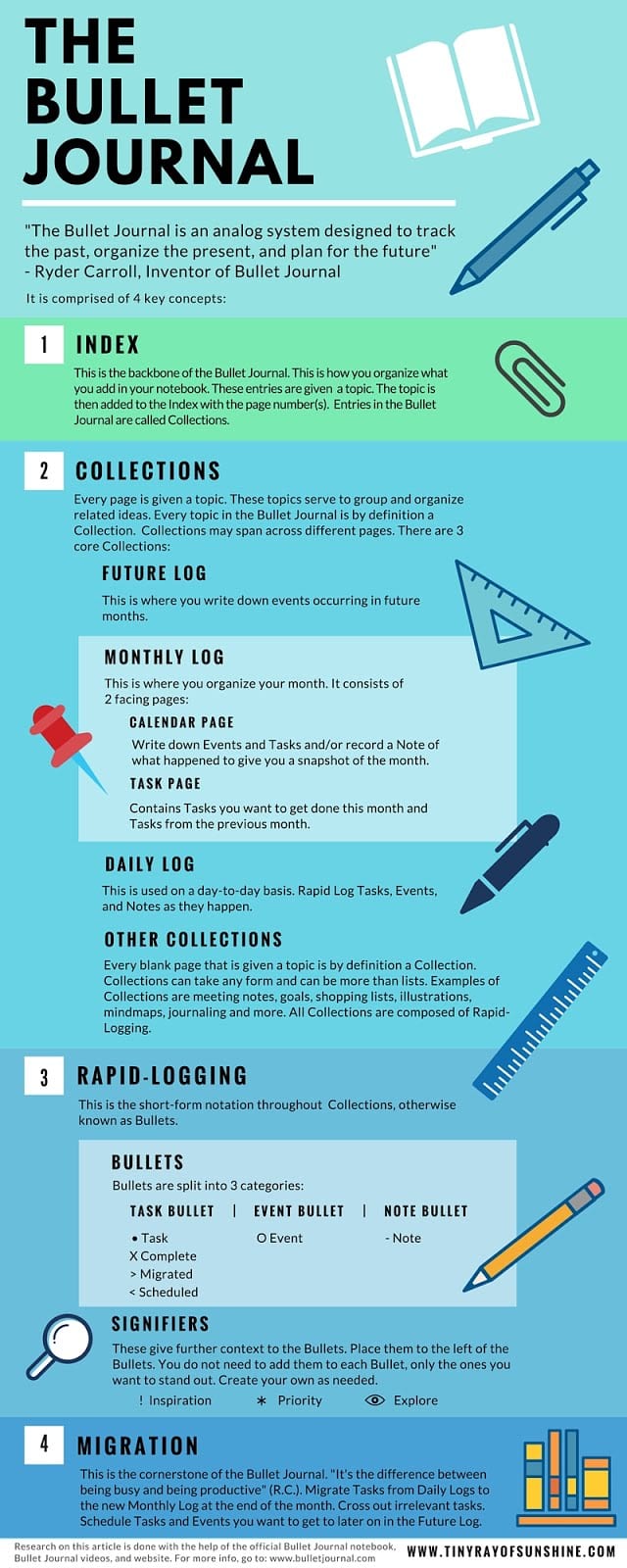
“The Bullet Journal Method” by Ryder Carroll is a guide to organizing your thoughts, tasks, and time through an innovative journaling system. Here is a summary in bullet points, focusing on actionable items:
- Understanding the Bullet Journal System:
- Grasp the core philosophy: mindfulness and productivity.
- Recognize it as a customizable organization system.
- Setting Up Your Bullet Journal:
- Choose a notebook and a pen as your primary tools.
- Create an Index: Start with two to four pages for indexing your content.
- Prepare a Future Log: Allocate pages for future months to plan ahead.
- Set up a Monthly Log: Include a calendar and task list for the month.
- Design a Daily Log: Use for daily tasks, events, and notes.
- Implementing Rapid Logging:
- Learn the symbols: tasks (•), events (O), notes (–), and more.
- Use short, concise notes instead of long sentences.
- Migration and Reflection:
- At month’s end, review unfinished tasks and decide to migrate or discard.
- Reflect daily and monthly on accomplishments and areas of improvement.
- Collections:
- Create collections for related tasks or notes, like a reading list or project plan.
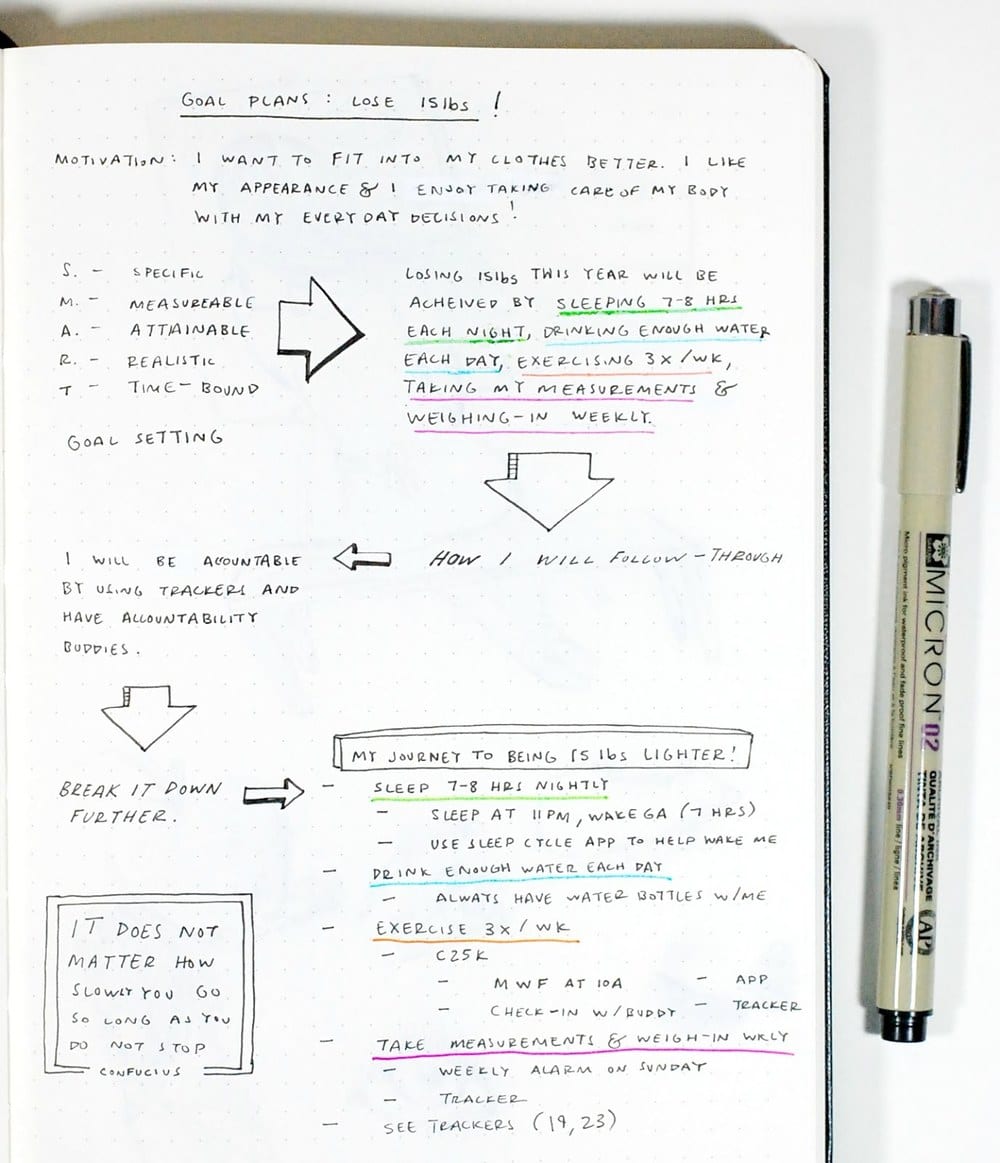
- Use them for tracking habits, goals, and personal interests.
- Customization:
- Adapt the system to your needs, adding elements like habit trackers or gratitude logs.
- Personalize with sketches, colors, or stickers for visual appeal and efficiency.
- Mindfulness and Purpose:
- Engage in regular reflection to ensure tasks align with your goals.
- Use the journal to stay mindful and focused on the present.
- Digital Integration:
- Consider how digital tools can complement your Bullet Journal.
- Use apps for reminders or backup, but keep the journal as the core tool.
- Community and Inspiration:
- Engage with the Bullet Journal community for ideas and support.
- Share your own layouts and tips to inspire others.
- Continual Improvement:
- Regularly assess and tweak your system for maximum efficiency.
- Stay open to new ideas and methods to enhance your Bullet Journal experience.
This summary provides a foundational understanding of “The Bullet Journal Method” and actionable steps to implement and personalize the system.