Cultural Heritage and Classical Liberalism:
- Tom Switzer emphasizes the Center for Independent Studies’ (CIS) dedication to defending Western liberal cultural heritage. This includes promoting economic opportunity, strong civil society institutions, and education reforms, rooted in classical liberal beliefs like individual freedom and limited government.
Freedom and Government by Consent:
- Kisin argues that Western societies thrive due to “government by consent,” where leaders are accountable to the people, unlike authoritarian regimes where dissent is stifled. This accountability fosters better decision-making and resilience, as seen in military effectiveness and disaster prevention (e.g., avoiding Chernobyl-like incidents).
- He contrasts this with authoritarian systems like the Soviet Union, where lack of feedback led to missteps like Putin’s Ukraine invasion.
Freedom of Expression:
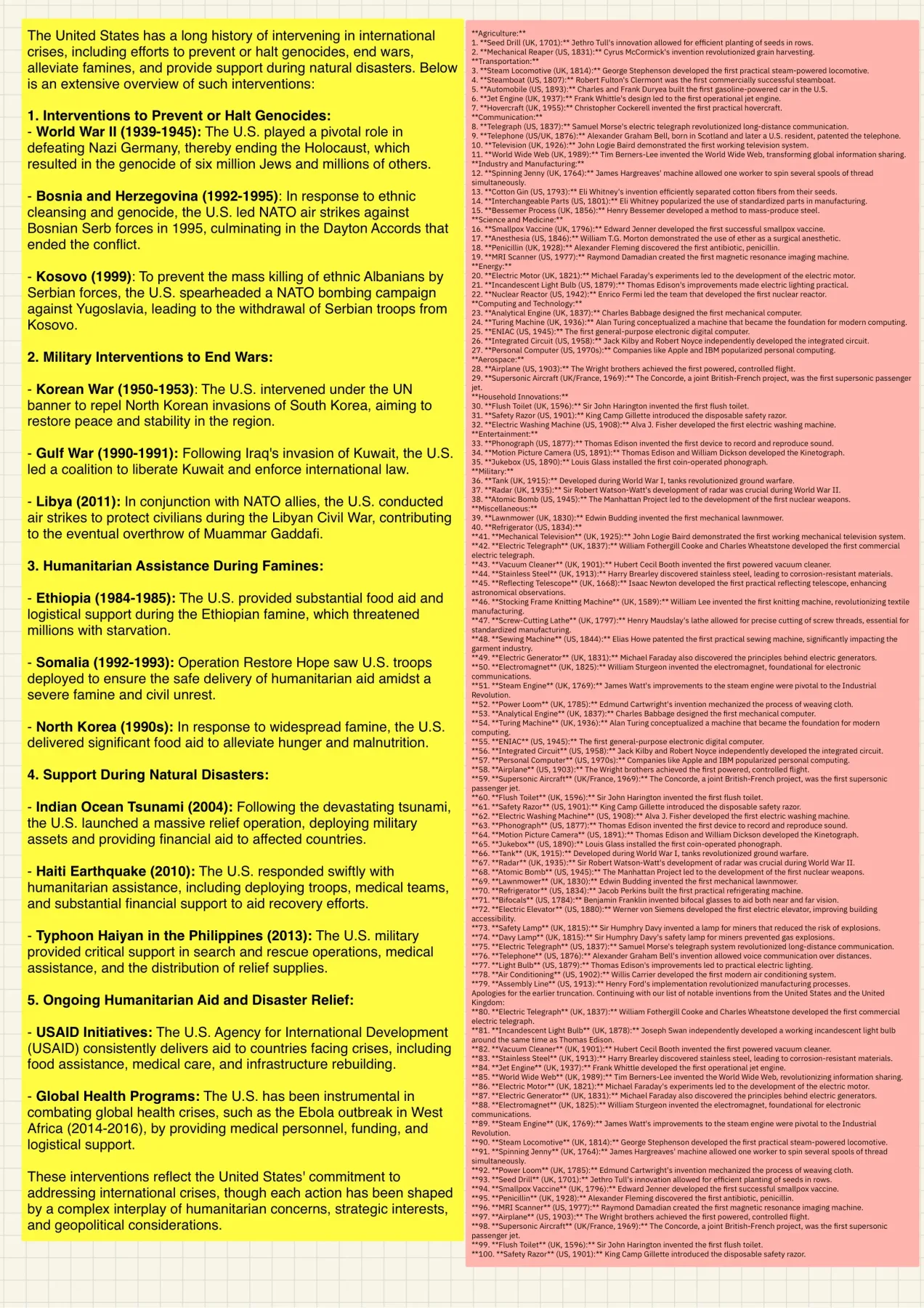
- Kisin highlights freedom of expression as a bedrock of Western success, enabling free thought, debate, and the sharpening of ideas. This has driven technological and scientific progress, giving the West a historical edge (e.g., the Manhattan Project vs. Soviet reliance on stolen technology).
Technological and Scientific Superiority:
- The West’s ability to innovate—seen in historical examples like Cortés’ conquest of the Aztecs or the development of firearms—stems from freedom from dogma (religious, authoritarian, or societal) and the ability to pursue progress openly.
Incentive Structure (Capitalism and Private Property):
- Kisin praises the West’s unique incentive structure, where innovation and value creation are rewarded due to the rule of law and private property rights. In contrast, authoritarian regimes (e.g., Russia, China) punish innovation that threatens the ruling elite, stifling progress.
- He cites examples like Mikhail Khodorkovsky and Jack Ma, whose wealth was stripped when they defied their governments.
Evidence of Success:
- Kisin points to immigration patterns: millions risk their lives to enter Western nations (e.g., the U.S., UK, Australia), while few flee them. This reflects the safety, prosperity, and opportunities the West offers, which other societies struggle to replicate.
- He uses Australia’s transformation from a penal colony to a thriving society as proof of Western culture’s efficacy.
Critique of Self-Doubt:
- Kisin warns that the West has become a “cargo cult,” mimicking past successes without understanding their roots (e.g., freedom, consent, property). He criticizes the failure to teach these values, leaving generations vulnerable to narratives that demonize Western history.
Rule of Law:
- Beyond private property, the West’s commitment to impartial legal systems ensures fairness, protects individual rights, and fosters trust in institutions—key to economic and social stability.
Individualism:
- Western culture prioritizes the individual over the collective, encouraging personal responsibility, creativity, and entrepreneurship. This contrasts with collectivist societies where conformity often trumps innovation.
Scientific Method and Enlightenment Values:
- The West’s embrace of the scientific method, skepticism, and reason—born from the Enlightenment—has fueled breakthroughs in medicine, engineering, and technology, improving quality of life globally.
Adaptability and Resilience:
- Western societies have historically adapted to challenges (e.g., industrialization, democratization) through open debate and reform, avoiding the stagnation seen in rigid, top-down systems.
Cultural Diversity within a Unified Framework:
- While rooted in shared values like liberty and democracy, the West accommodates diverse cultures and ideas, fostering a dynamic exchange that enriches its societies (e.g., America’s melting pot, Europe’s multicultural cities).
Education and Meritocracy:
- Emphasis on education and merit-based advancement has allowed talent to rise, driving progress. Universities like Oxford, Harvard, and others have been global hubs of knowledge creation.
Human Rights and Social Progress:
- The West has led in codifying human rights (e.g., Magna Carta, U.S. Constitution) and advancing social causes (e.g., abolition of slavery, women’s suffrage), setting a standard for dignity and equality, even if imperfectly realized.
Industrialization
Modern European History - Peterson Academy > 3: Industry and Innovation
References
Konstantin Kisin | What makes the West great - YouTube
Books to look at
Here are some influential books that celebrate the achievements, values, and unique contributions of Western civilization, particularly Western Europe and the United States:
-
The Wealth and Poverty of Nations by David S. Landes
- Explores why Western nations achieved such unprecedented economic success, highlighting the cultural, institutional, and technological factors that fueled their growth.
David S. Landes’s The Wealth and Poverty of Nations: Why Some Are So Rich and Some So Poor (1998) offers an in-depth exploration of the historical, cultural, and institutional factors that have led to economic disparities among nations. Here are the central themes and arguments presented in the book:
🌍 Cultural Values as Drivers of Economic Success
Landes emphasizes the pivotal role of culture in economic development. He argues that societies valuing hard work, innovation, education, and rational thinking are more likely to achieve sustained economic growth. This perspective aligns with Max Weber’s “Protestant work ethic” thesis, suggesting that Protestant regions in Europe, which encouraged these values, experienced greater economic success compared to their Catholic counterparts. ([Wikipedia]
🧭 Geography’s Influence on Development
While acknowledging that geography is not destiny, Landes discusses how geographical factors have historically influenced economic outcomes. He notes that temperate climates, like those in Western Europe, were conducive to agriculture and disease control, providing an advantage over tropical regions that faced challenges such as poor soil quality and endemic diseases.
🏛️ Institutions and Political Structures Matter
The book highlights the significance of political competition and institutional frameworks in fostering economic growth. Landes points out that decentralized political systems in Europe allowed for experimentation and innovation, whereas centralized, autocratic regimes, such as imperial China, often stifled progress due to rigid control and resistance to change.
⚙️ The Industrial Revolution: A European Phenomenon
Landes attributes the onset of the Industrial Revolution to specific European conditions, including a culture that valued scientific inquiry, property rights, and individualism. He argues that these factors created an environment ripe for technological advancements and economic transformation, setting Europe apart from other regions.
🌐 Globalization and Its Dual Impact
The book discusses globalization as a double-edged sword. While it facilitates cultural exchange and economic opportunities, Landes warns that without the right cultural and institutional foundations, globalization can exacerbate inequalities and hinder development in less-prepared nations.
📚 Critiques and Controversies
Landes’s Eurocentric approach has been both praised and criticized. Supporters appreciate his detailed analysis of Western Europe’s rise, while critics argue that he underestimates the contributions and potential of non-Western societies. Landes defends his focus, asserting that understanding Europe’s unique path is essential to explaining global economic disparities. (Wikipedia, SoBrief)
In summary, The Wealth and Poverty of Nations presents a comprehensive analysis of the multifaceted reasons behind the economic divergence of nations, emphasizing the interplay of culture, geography, institutions, and historical events.
For a more detailed overview, you might find this video summary helpful:
The Wealth and Poverty of Nations by David S. Landes - Book Summary
-
Civilization: The West and the Rest by Niall Ferguson
- Argues that the West’s global dominance resulted from six “killer apps” including competition, science, property rights, medicine, consumerism, and the work ethic.
-
A History of Western Philosophy by Bertrand Russell
- An overview of the philosophical ideas that have shaped Western thought from the pre-Socratics to the 20th century, emphasizing the rational tradition.
-
How the West Won: The Neglected Story of the Triumph of Modernity by Rodney Stark
- Challenges narratives of Western decline, focusing on the cultural and institutional advantages that led to the West’s global influence.
-
The Right Side of History: How Reason and Moral Purpose Made the West Great by Ben Shapiro
- Defends the moral and philosophical foundations of Western civilization, emphasizing the importance of Judeo-Christian values and Enlightenment principles.
-
Inventing the Individual: The Origins of Western Liberalism by Larry Siedentop
- Traces the roots of individual liberty and liberal democracy back to the moral revolution sparked by early Christianity and its influence on Western political thought.
-
The Victory of Reason: How Christianity Led to Freedom, Capitalism, and Western Success by Rodney Stark
- Argues that the West’s economic and political success is deeply rooted in Christian theology and its emphasis on reason and progress.
-
The Cave and the Light: Plato Versus Aristotle, and the Struggle for the Soul of Western Civilization by Arthur Herman
- Examines the long philosophical struggle between Platonic and Aristotelian thought that has defined Western civilization.
-
Reflections on the Revolution in France by Edmund Burke
- Although focused on the French Revolution, Burke’s work lays the foundation for conservative thought and a defense of the Western political tradition.
-
The Strange Death of Europe: Immigration, Identity, Islam by Douglas Murray
- Explores the cultural, political, and demographic challenges facing contemporary Europe, defending the uniqueness and achievements of Western culture.
Would you like a more curated list based on specific aspects like political philosophy, scientific progress, or cultural achievements?