DESCRIPTION
Businessman, author, professor, and podcaster Scott Galloway offers a path forward for men and parents of boys. The lack of attention to the growing masculinity crisis has created a void which is now being dangerously filled by the Manosphere and misogyny. Male suicide rates are sky high; employment rates are low and mental health and relationship issues are impossible to ignore. This is not just a male issue: it is affecting society as a whole. Scott Galloway has been sounding the alarm on this issue for years. In Notes on Being a Man, Galloway explores what it means to be a man today, and provides a roadmap for healthy masculinity and mental strength. He shares his own story from boyhood to manhood. In exploring issues like childhood, depression, anger, pressure, money and relationships, he shares the sometimes funny, often painful, lessons he learned along the way. With unflinching honesty, Scott Galloway maps out an enriching, inspiring operator’s manual for being a man today. BOYS AND MEN ARE IN CRISIS. SCOTT GALLOWAY HAS A PATH FORWARD. NOTES FOR BEING A MAN: Being a good dad means being good to women. Action absorbs anxiety. Find what you’re good at and follow your talent. Get out of the house. Take risk and be willing to feel like an imposter. This is a key to professional success, and masculinity. Acknowledge your blessings, and create opportunities for others. Be of surplus value. Be kind.
Boy Crisis
- But there’s no escaping the fact that we see-and are continuing to create—a generation of young men from all backgrounds who are (a) unbearably lonely, (b) not economically viable, (c) not emotionally viable, and (d) basically adrift.
Affordability
- Seventy-year-old Americans today are, on average, 72 percent wealthier than they were forty years ago. People under the age of forty are 24 percent less wealthy.
- Unaffordable and indefensible costs for education and housing, and skyrocketing student debt
- Twenty-five-year-olds today make less than their parents and grandparents did at the same age, while carrying debt loads unimaginable to earlier generations.
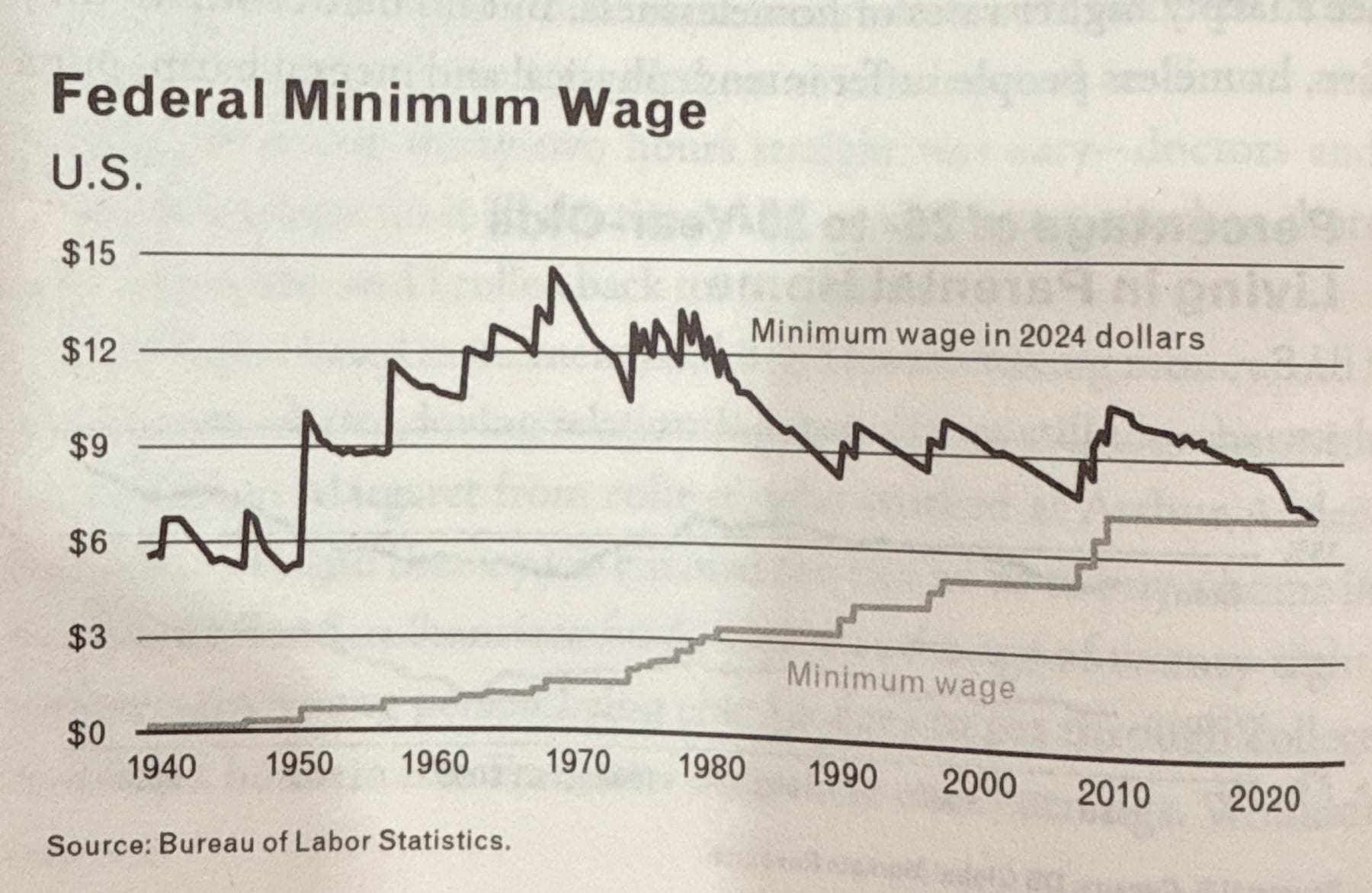
- Neither the minimum nor the median wage has kept pace with inflation or productivity gains, while housing costs have outpaced both.
- As the costs of college have soared beyond the reach of most families, many of the manufacturing jobs that didn’t require a college degree and were often a ticket to the middle class for (mostly) men have been offshored.
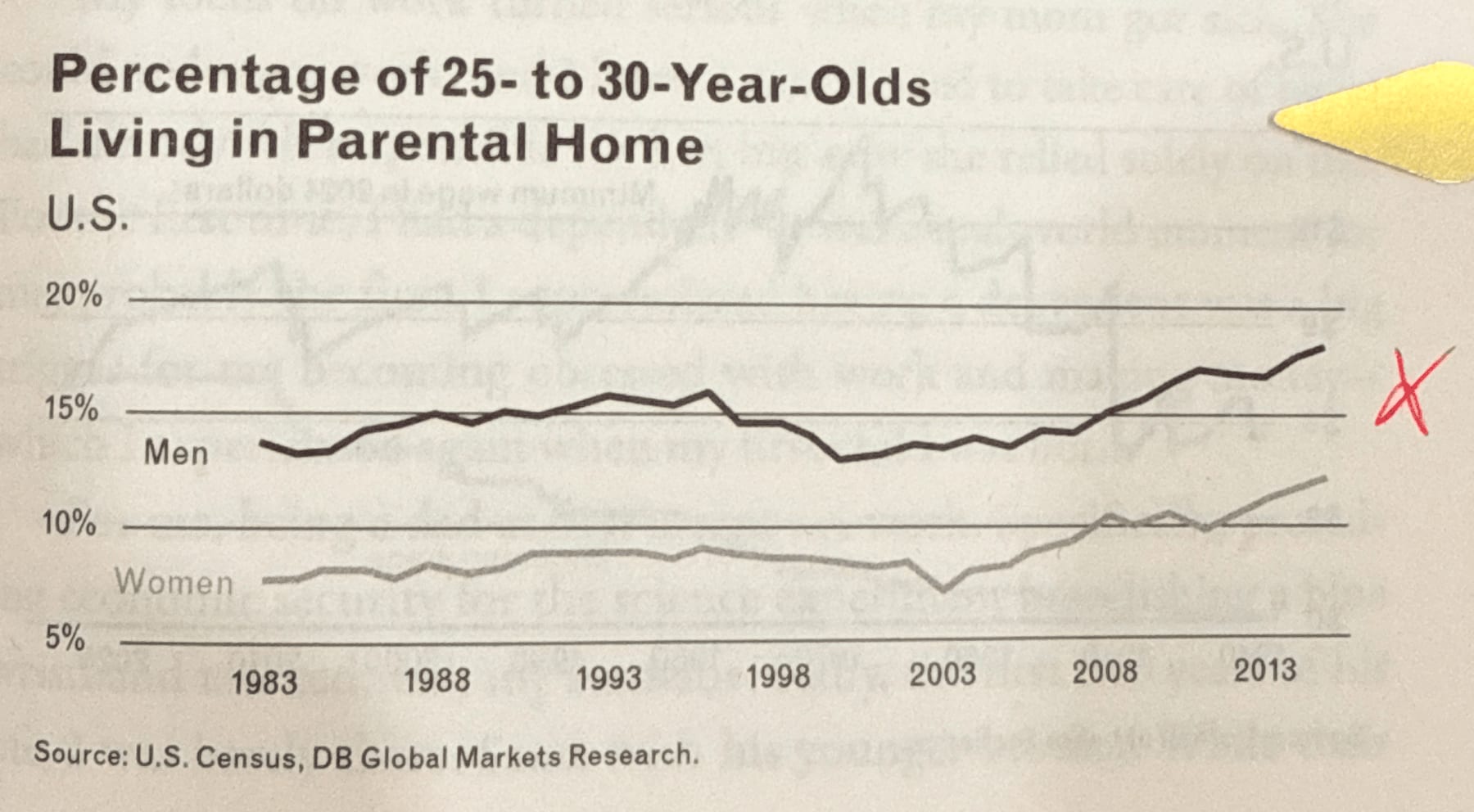
- A prohibitive real estate market is a contributing factor to why 60 percent of young men between the ages of eighteen and twenty-four live with their parents
- Stuck and unable to afford greater economic opportunities in nearby cities,
- Middle Class
- Like most great and lasting inventions, the middle class was, in fact, a bit of historical freakery. At the center were seven million physically fit, nice-looking men who’d served in World War II, where they demonstrated masculine excellence; i.e., the ability to protect us from our ene-mies. They wore uniforms, were modest about their heroism, and were strong, and the United States, grateful and possibly starstruck, decided to give them money via the GI Bill, FHA loans, and the National Highway Transportation Act. A clean uniform, some money-and what do you know: women found these men attractive, and marriage, babies, and loving, secure households ensued. In sum, the greatest innovation in history grew out of an environment of attractive, heroic young men-Peak Male, if you will. It can happen again if we make it happen.
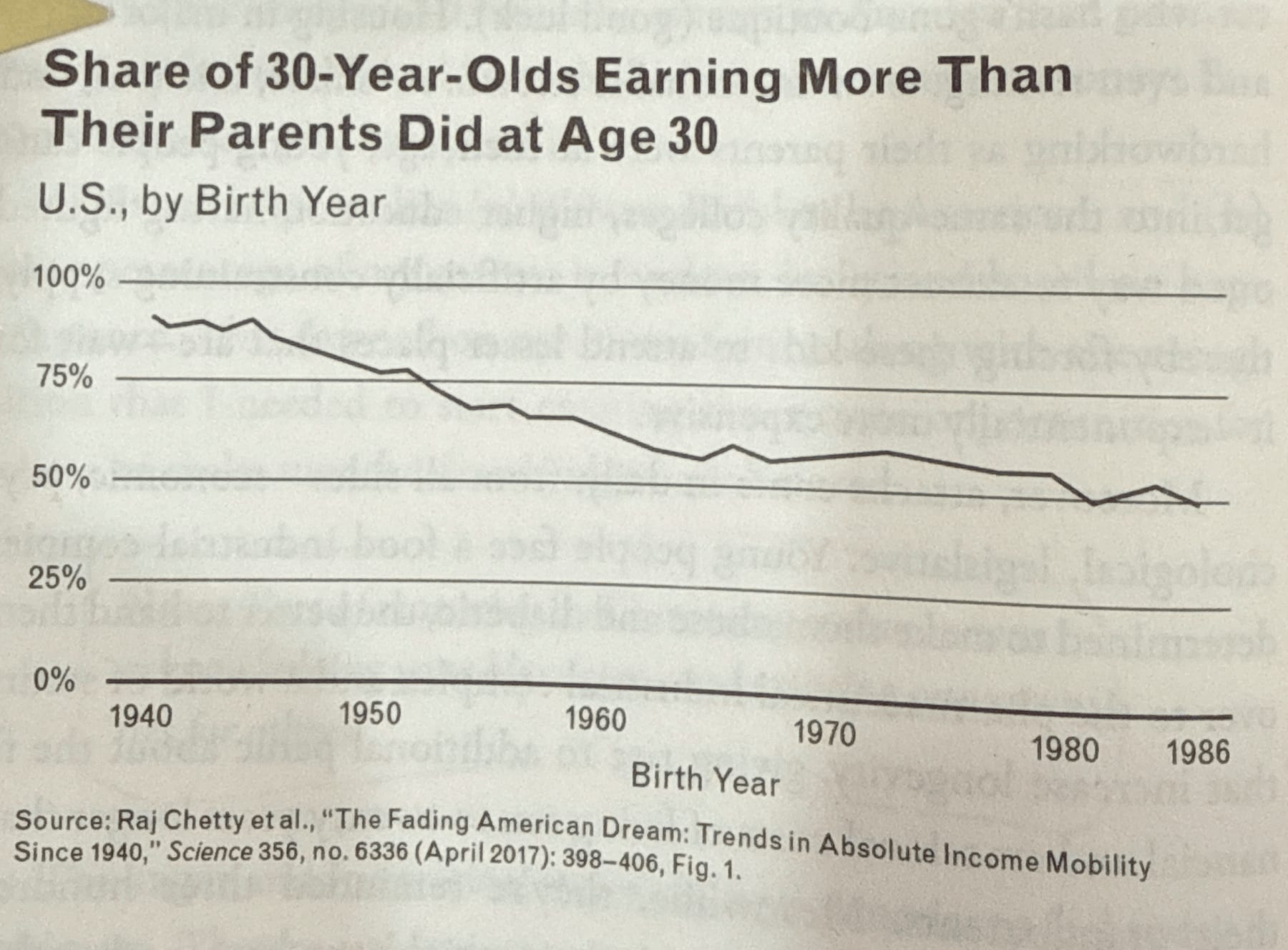
- Like most great and lasting inventions, the middle class was, in fact, a bit of historical freakery. At the center were seven million physically fit, nice-looking men who’d served in World War II, where they demonstrated masculine excellence; i.e., the ability to protect us from our ene-mies. They wore uniforms, were modest about their heroism, and were strong, and the United States, grateful and possibly starstruck, decided to give them money via the GI Bill, FHA loans, and the National Highway Transportation Act. A clean uniform, some money-and what do you know: women found these men attractive, and marriage, babies, and loving, secure households ensued. In sum, the greatest innovation in history grew out of an environment of attractive, heroic young men-Peak Male, if you will. It can happen again if we make it happen.
Isolation
- algorithmically generated content on social media contributes to-and profits from-young men’s growing social iso-lation, boredom, and ignorance.
- loneliness registers an impact on our well-being akin to smoking fifteen cigarettes a day and rivals smoking and alcohol as a cause of carly death.
- Despite its health benefits and how good it feels to connect with others, friendship is on the decline. Since 1990, the percentage of Americans who report having fewer than three close friends has dou-bled, from 16 percent to 32 percent. Put another way, twenty million Americans have begun smoking a pack a day. A number of factors inspired this perfect storm of loneliness: Covid; its aftereffects; political polarization; fewer random encounters, as we no longer go to spots like the mall, theater, or office; social media raising a generation of disconnected people who feel shitty about themselves; and a lack of the aforementioned “third spaces.”
- Men and women approach friendship differently. Men have it drilled into us from an early age that vulnerability and emotional connections are signs of weakness. They aren’t. Men with influence have an obligation to cleanse this bullshit version of masculinity from the zeitgeist. The decline in friendship is insidious, as it feeds on itself. Friendship is a muscle that strengthens with use but atrophies with age, but we have to keep pulsing it. We have so many more opportunities and so much more fuel for our friendships when we are children and even as young adults, but we cannot stop building and using these muscles into and throughout adulthood.
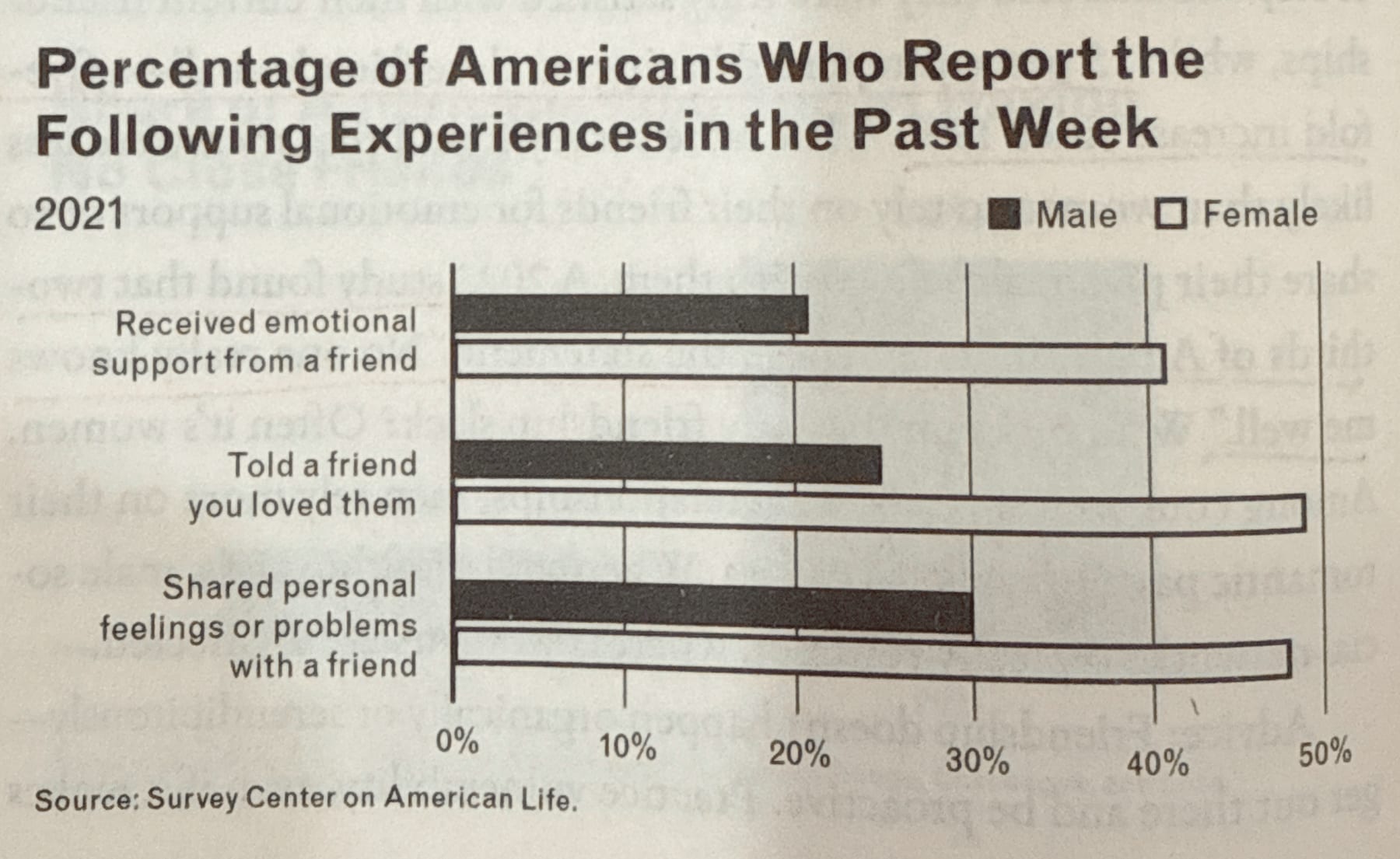
- Prosperity, distributed inequitably, has made us less happy as many young people turn to online, lower-risk means of chasing dopamine.Young adults’ loneliness rates have increased every year since 1976. In the past decade, teen depression rates have increased significantly. Asyoung people turn to online, lower-risk means of chasing dopamine. Young adults loneliness rates have increased every year since 1976. In the past decade, teen depression rates have increased significantly. As reported by the U.S. surgeon general, loneliness is a national epidemic.It’s worse for men, who are stuck in a “friendship recession”-a trend that predates Covid but that has accelerated over the past few years as loneliness levels have increased globally. In a 2021 survey of more than two thousand U.S. men quoted in The New York Times, less than half of respondents said they were truly satisfied with their current friend-ships, while 15 percent reported having no close friends at all—a fivefold increase since 1990. That same survey found that men were less likely than women to rely on their friends for emotional support or to share their personal feelings with them. A 2023 study found that two-thirds of American men believe the statement “No one really knows me well.” Who picks up the male friendship slack? Often it’s women. Among couples in heterosexual relationships, men rely more on their romantic partners than vice versa. When a relationship ends, male social networks typically contract, whereas women’s are unaffected.
- Friendship is also an economic accelerant. The economist Raj Chetty found that for people from lower socioeconomic backgrounds, having wealthier friends “is the single strongest predictor of upward mobility.” Unemployed people who volunteer are 27 percent more likely to find work than those who do not, aided by the “social capi-tal” (economist-speak for “friends”) they accumulate through volun-teering. Regions with greater civic engagement are more resistant to economic slowdowns, and communities to which the residents have a strong emotional attachment see higher rates of GDP growth. The flip side? The CDC estimates that loneliness costs the U.S. economy $406 billion a year-more than the combined GDP of Vermont, Wy-oming, Alaska, Montana, South Dakota, and Rhode Island.
College/Jobs
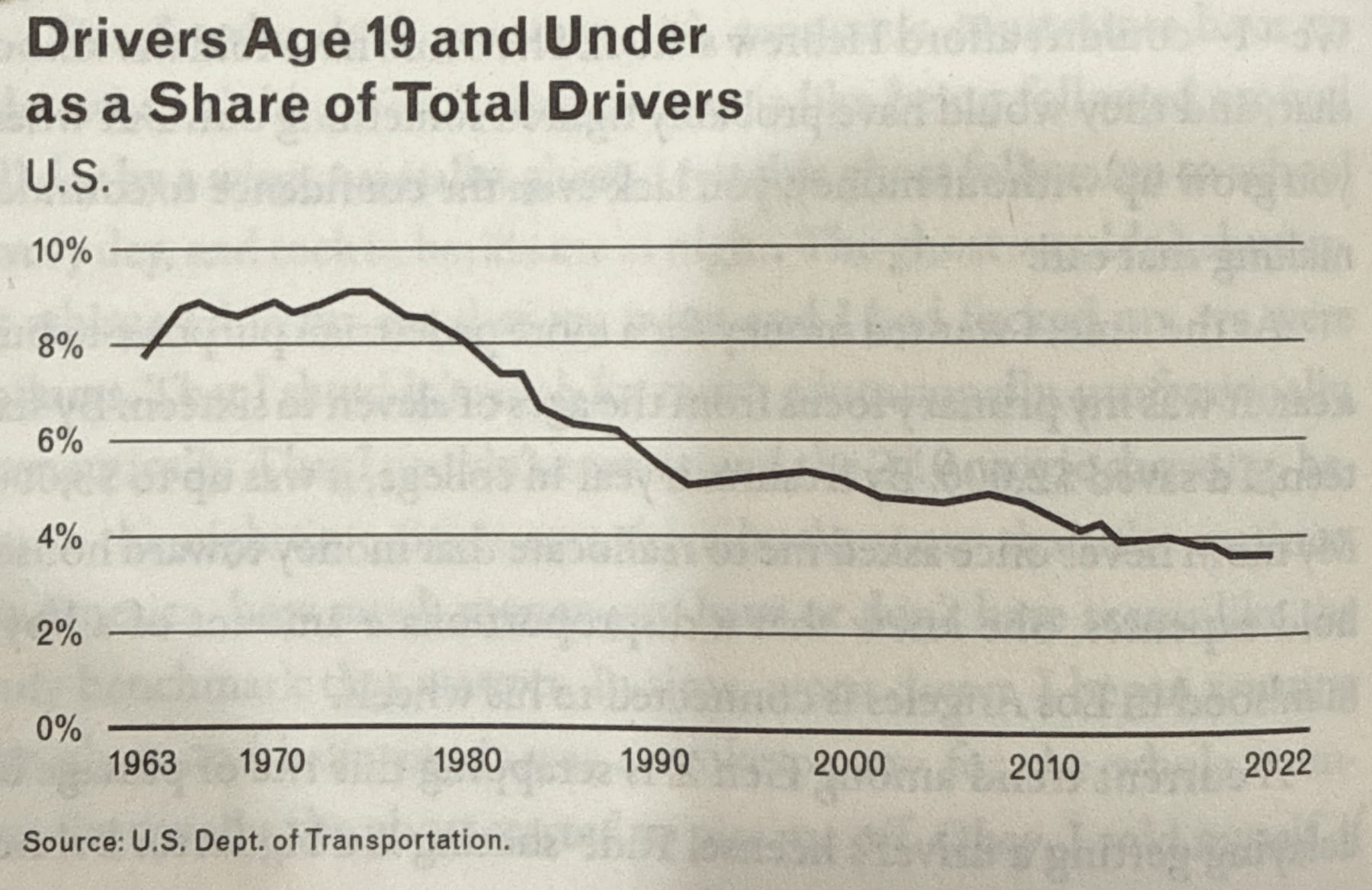
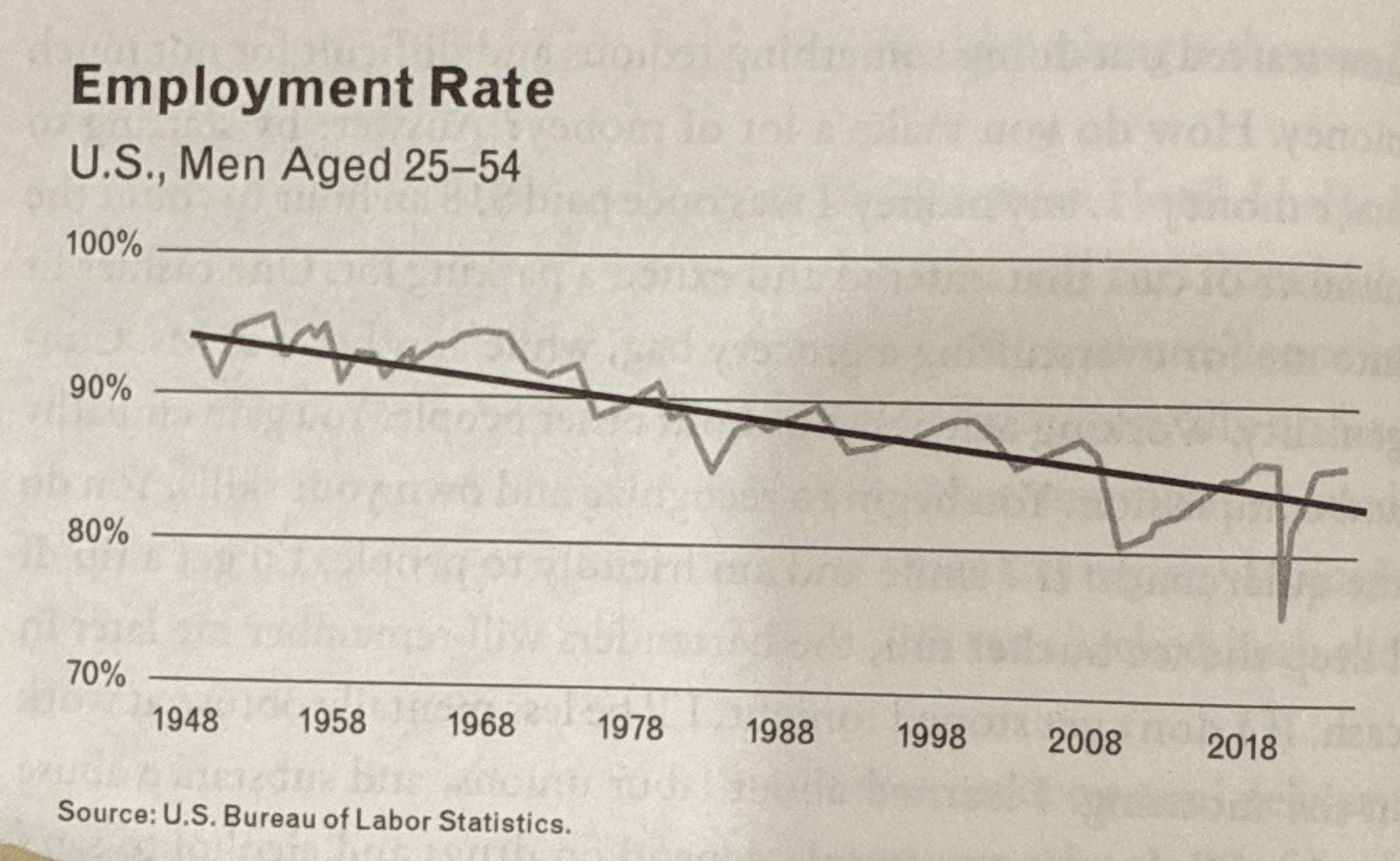
- The percentage of young men aged twenty to twenty-four who are neither in school nor working has tripled since 1980. Workforce participation among men has fallen below 90 percent, caused by a lack of well-paying jobs, wage stagnation, disabilities, a mismatch of skills and/or training, and falling demand for jobs traditionally held by prime-age men.
- year from deaths of despair-suicide, drug over-doses, alcohol poisoning—with a disproportionate number of those fatalities being unemployed white males without a college degree.
- Today, women are the primary breadwinners in 41 percent of U.S. households and the percentage of women who outearn their husbands has tripled in the past fifty years. Among married-couple families with children, 67 percent are ones where both parents work.
Mating Crisis
- As women traditionally mate horizontally and up socioeconomically, whereas men mate horizontally and down. Up until the mid-twentieth century, homogamy-marriages between men and women from similar educational backgrounds-was more common than not. Today, bypogamy, where women marry men who have less education than themselves, is on the rise. When the pool of horizontal-and-up young men shrinks, there are fewer mating opportunities, less family and household formation, and not as many babies.
- terrifying stat: 45 percent of men ages eighteen to twenty-five have never approached a woman in person.
- Once married, one’s household worth grows at an average of 14 percent a year. Married couples, by their fifties, on average have three times the assets of their single peers. Married people live longer and are happier than single people. Higher marriage rates are correlated with greater GDP per capita, greater economic mobility, and a reduction in child poverty by as much as 80 percent. The key? Taking the whole “till death do us part” thing seriously, as divorce seriously eats into the three times the assets. From an evolutionary perspective, monogamous relationships improve survival odds for offspring, benefiting our species overall.
- Families are the foundational element of society, and most successful families are the product of an intimate relationship between two adults. Except, according to Gallup, only about 21 percent of Americans under thirty have kids. In 1980, the figure was about 38 percent; in 1950, it was around 50 percent. There are many reasons why: a cor-/ rosive political ecosystem, worry about climate change, people living longer, and the astronomical expense of raising children all the way through to college.
- On Hinge, the top 10 percent of men receive nearly 60 percent of the “likes”; the comparable figure for women is 45 percent. The bottom 80 percent of male Tinder users, based on percentage of likes received, are competing for the bottom 22 percent of women. If it were a country, Tinder would be among the most unequal in the world.
- The group that’s seen the sharpest decline in getting married? Poorer men. Between 1970 and 2011, the marriage rate for the lowest-earning quartile fell by nearly 35 percent, while that of the highest quartile fell by less than 15 percent. In the past forty years, coupling, has declined more than twice as fast among Americans without a col-/ lege degree, compared with college graduates.
- The most powerful signal of earning potential, especially for people in their twenties who haven’t yet realized their potential, is a college degree. College-educated men earn a median $900,000 more over their lifetime than those who only graduated from high school. A college degree also increases your chances of getting married by 30 percent.
- Marriage rates among college-educated women have held steady at around 70 percent for decades. The decline in marriage rates has been among women without a BA. As a result, a huge class gap in y marriage has opened up. Crunching the math: one in five women with college degrees are marrying men without college degrees, resulting in an increasing number of men in the body of the pyramid who will be left not merely without sex, but also without any on-ramp to the intimate relationships on which so much of their happiness, and our social capital, is built.
- declining birth rate
- There are now just 2.1 working-age Japanese for every retiree, the lowest ratio in the world. In the US there are 3.9. The world average is 7.
Portrayal of Men
- Media portray men as idiots
- Toxic Masculinity
- there’s no such thing as “toxic masculinity”-that’s the emperor of all oxymorons. There’s cruelty, criminality, bullying, predation, and abuse of power. If you’re guilty of any of these things, or conflate being male with coarseness and savagery, you’re not mascu-line; you’re anti-masculine.
What Men have Accomplished
- Building the Empire State Building, Hoover Dam, Stormed Normandy, Battle of the Bulge
Why are men here? What do men do?
- Protect: If youre looking for a good shorthand phrase for healthy masculinity in 2025, you could do a lot worse than the word “mensch” which in German simply means “human” and in Yiddish describes “a person of integrity or rectitude; a just, honest, or honorable person.” The first instinct of a mensch is to protect, to sacrifice for something bigger than oneself, and not to pick on the vulnerable but to look out for your family and community. Real men don’t start bar fights; they break them up. They don’t shit-post other people or their country; they defend both. A man’s default setting should be to move to protect, in any situation.
- Provide: Historically, being a provider was a man’s job. But women also becoming breadwinners doesn’t mean the role is any less important for men. At the outset of his career, every man should assume he needs to take economic responsibility for his household. A man with a decent job in a strong economy is creating wealth, paying taxes, and earning social capital, not to mention his own self-respect. He also provides stability, support, love, and trust for his family, commu-nity, and himself. He’s a ballast that absorbs the dramas taking place around him without giving in to them himself. Also, being a provider sometimes means getting out of the way of a wife or partner who may be better at the money thing and picking up the slack elsewhere-all the while being supportive.
- Procreate: The third foundational element of masculinity is ensuring the species endures. This doesn’t mean having children is an obligation-many people can’t or choose not to and are instead great uncles, aunts, cousins, friends, and mentors-but arguably it’s why were here. This starts with …sex. My generation never gave up on sex. However, lately, underemployed and screen-numb young men, who feel rejected in an increasingly winner-take-all dating market, have thrown in the towel. Meanwhile, young women find themselves in an intensifying competition for a shrinking pool of what they view as viable mates. The viral hit is “I’m looking for a man in finance or media,” not “I’m looking for a high school dropout who lives with his parents. Being a procreator doesn’t mean having sex with as many women as possible or having no contact with your kids. A good pro-creator invests time, energy, and resources to raise kids who are stron-ger, smarter, faster, and more impressive than him.
Male vs Female
- Male and female brains are more than 99 percent identical. There are variations, though. Men have more than double the brain space and processing power devoted to sexual drive. The male amygdala, home to fear, anger, and aggression, contains testosterone receptors that make males lose their cool faster and more eas-ily. But where the male and female brains diverge most sharply is in their development, especially during adolescence. By age fourteen. to sixteen, male and female brains have stopped growing, with the exception of the prefrontal cortex, or PFC. Girls attain “peak values of brain volumes” earlier than boys do—Latin for “girls get their shit together way sooner.” Basically, the female PFC matures up to two years before the male PFC does.
Health
- In the United States, obesity has been normalized. A medical condition responsible for $173 billion in American medical costs is big business. Plus-size clothing is a $330 billion industry, expected to rise to more than $400 billion by 2030, with others profiting might-ily, too, such as multinational food companies, digital health companies hawking nutrition and fitness tracking, diabetes and GLP-1 medications, knee and hip replacements, kidney dialysis, and statins.
- Contrast this to Japan, which has the lowest percentage of obese and overweight adults-4.5 percent—of all rich countries globally, compared with 42 percent of Americans. Japanese kids learn early on to stop eating when they’re 80 percent full. By law, every Japanese elementary school keeps a nutritionist on staff. Strict rules govern that lunches and snacks are homemade and meet nutritional guidelines. “Broccoli,” a Japanese first-grader might say when asked about a food they like—compared with the sugary, ultraprocessed lunches served across U.S. schools.
- Our national unfitness has security ramifications. American armed service enrollment numbers are down dramatically. though, the fitness test is disqualifying-one in three applicants is too out of shape. Around 77 percent require a waiver, the primary reason being weight/poor fitness, mental health issues, and drug abuse.
- The bad news is that from 2013 to 2023, the participation in sports of boys ages six to seventeen dropped by almost ten points, from around 50 to 41 percent. Among Black boys, the figure dropped to 35 percent.
Mentorship
- Focus on four things: fitness, nutrition, money, work
- Young men have a single source of capital: time
- If we want better men, we need older men to set up.
- A successful man needs to get involved in the life of a boy or young man. Kids will often listen to their parents’ adult friends more than their parents.
Addiction
- Men are more likely than women to engage in all types of illicit drug use. They use alcohol and drugs to cope starting earlier on. They’re more prone than women are to excessive drinking, which is linked to car accidents, hospitalization, and mortality. Two-thirds of all opioid-related overdose deaths are men. Twenty million Americans struggle with or are at high risk of developing an online gambling problem. Gambling addiction in men, who are more sports-mad and less risk-averse, is up to twice as prevalent as among women, with suicide rates among problem gamblers fifteen times higher than non-gamblers. Sports gambling is now legal in thirty-eight U.S. states, and, within a year, bankruptcies in many of those states went up 28 percent. In 2024, 72 percent of sports bettors in the United States were male. The cocktail of addiction and dopamine is too much to re-sist, especially for a group whose prefrontal cortices are still growing. More gamblers of any age can get in deep, fast, and no one will be the wiser. With a meth addiction, your teeth fall out, your skin gets sores. But online gamblers can get in deep and fast in private, with no one knowing.
- Today’s weapons of addiction aren’t just sports gambling and booze and drugs but also day trading, social media, video games, processed fast food, phones and tablets, the bullets provided by social media firms headed by fucked up men-children, the goal being to create in us a simulacrum of their own probably wretched boyhoods. As my NYU colleague Jonathan Haidt put it, the unconstrained combination of phones and social media has been “the largest uncontrolled experiment humanity has ever performed on its own children.”
- So far, the results are a mental health crisis: 8 percent of teens are addicted to alcohol or drugs; 24 percent are addicted to social media. The suicide rate among teens and young adults has increased 56 percent in a decade. Teens who are on social media for more than three hours a day are twice as likely to be anxious or depressed than those who are on for less than an hour. Is it any wonder Tim Cook doesn’t want his nephew on social media? If he wasn’t Tim Cook, would he also say, I don’t want him to have an iPad, either? By providing real-time dopa for young people, today’s technologies implant a persistent craving for more-making young people more prone to future addiction. Again, boys are especially suscepti-ble. Twelve percent of boys and men over the age of twelve have a substance abuse disorder, as opposed to 6.5 percent of women and girls. And about one in ten children who play video games show signs of addiction, and 50 percent of all teenagers feel addicted to their mobile devices. Fast food also triggers dopa releases; a third of kids eat fast food every day.
- Porn is a risk and masculinity killer. If working out and creatine makes you stronger; porn makes you, bit by bit, weaker. Moderate its use. Get help if it’s a problem.
Suicide
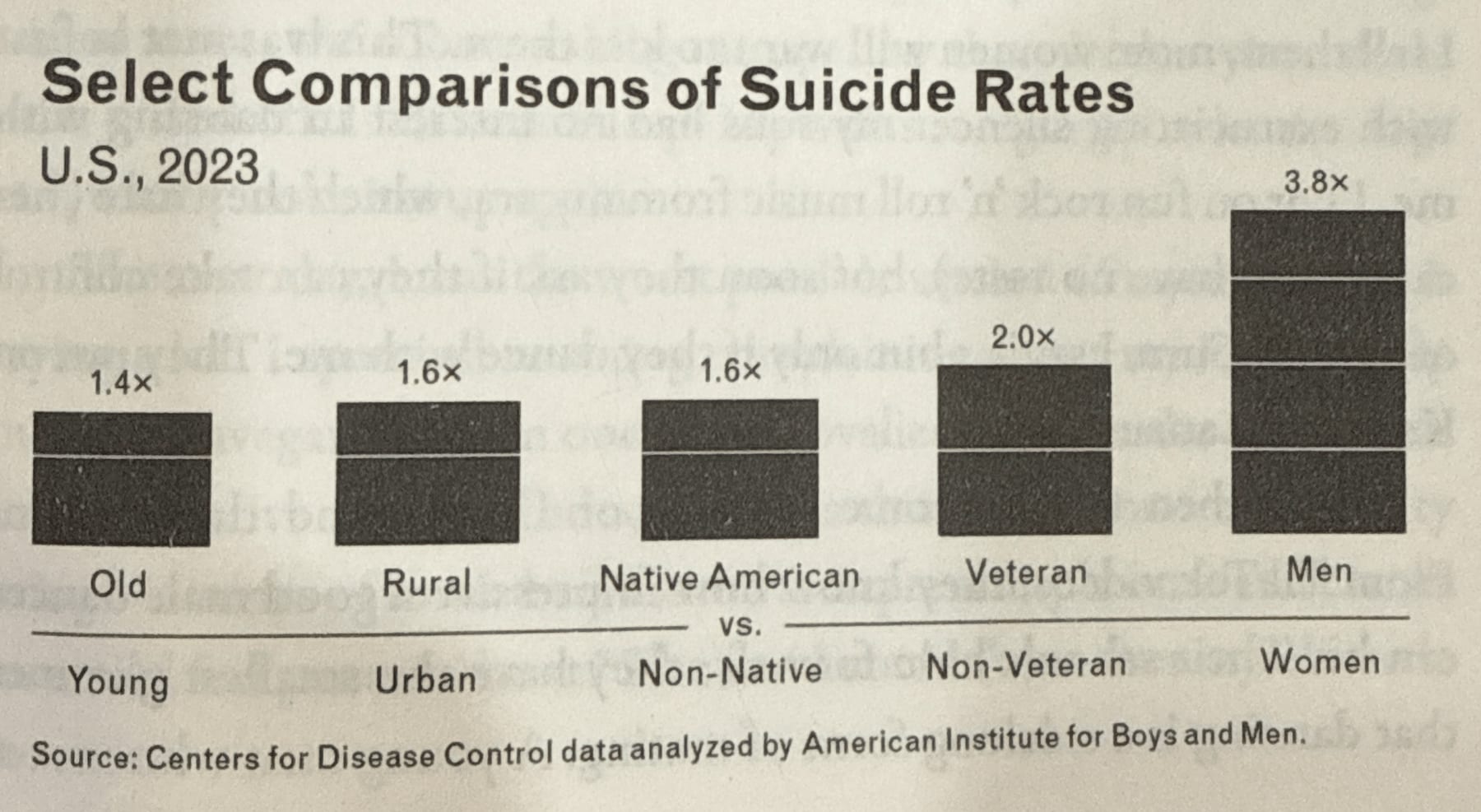
- Richard Reeves recently published a report showing that deaths of despair-people who die by gun, opioids, alcohol, suicide-have skyrocketed since 2004, especially among Black and indigenous Americans. Men today have a higher mortality rate than women in thirteen of the fifteen leading causes of death. Boys and men are four times more likely to take their own lives than girls and women. We will continue to lose more and more and more so long as the greatest shareholder value increase in history is putting fucking Tim Cook and Mark Zuckerberg outside junior high school with a bag of smack. Can you name any substance, any activity, that has a one-in-four addict rate? Maybe nicotine or cig-arettes? If you were to say, How can you really fuck up America?… well, can we do something that makes people addicted, that poLarizes them, makes them more prone to conspiracy theories and self-harm?
Divorce
- Children of divorced parents and parents who stay in their high-conflict marriages are on average unhappier; more anxious, more likely to be depressed, and less likely to graduate high school and college.
- moms are granted custody of the children 80 percent of the time.
Affection
- Affection has been taken away from males
- Most males are robbed of affection
Wisdom
- Being a good dad means being good to the mother of your children.
- Why are men here? What do men do?
- Protect
- A person of integrity or rectitude; a just, honest, or honorable person
- Sacrifice for something bigger than oneself
- Not to pick on the vulnerable but to look out for your family and community
- Provide
- Earning social capital
- Self-respect
- Procreate
- Protect
- Ultimate goal of men: Provide surplus value.
- Success comes when you put in small, consistent amounts of effort, every day and every week.
- Be kind. Ask for help.
- As you get older, the relationships you have with people you love and who love you matter more than everything else in your life.
- Make a periodic audit of everything in your life—health, nutrition, exercise, money…and friends. Keep tabs on where each area is lacking, or imbalanced, then reallocate your capital accordingly.
- The goal as always is to give more than you take in—resources, love, kindness, understanding, friendship, or whatever else—while generating more of those things for others.
- You have an obligation to protect and advocate for others because you were born with advantages others dont have.
- Practice small acts of kindness until it became second nature. It’s a life hack hiding in plain sight as people notice, and it will put you in a room of opportunities.
- Your goal is to provide surplus value, to offer more than you’re given without keeping score. Work to be able to absorb the chaos and anxiety around you without it absorbing you; take arrows; be an active and big part of your loved ones’ lives; and never lose sight of your role as protector. The most masculine people leave a legacy of surplus value from a place of kindness, generosity, and strength. They give more love, hope, and encouragement, pay more taxes, and create more jobs than they get back.
- Fear of (public) failure is an enemy of masculinity. If you’re not failing, you’re not progressing.
Work
- The ratio of time you spend sweating to watching others sweat is a forward-looking indicator of your success.
- Your body will sometimes make decisions for you when your brain won’t. Learn to listen to your body.
- Money matters: Preservative of good health, attendant logevity, and the happiness that comes from taking care of your spouse and children. Allows you to think about and do other things.
- Don’t follow your passion professionally. Find what you’re good at—and follow your talent. The rewards and recognition that stem from being great at something will make you passionate about that something.
- Talent isn’t enough. Being in the 1% means joining 75 million others. You need hunger as well.
- Almost no one has a career path. Put one foot in front of the other and see where it takes you.
- Balance is a myth. There are only trade-offs.
- What of “balance”? Fine-many people thoughtfully calibrate the trade-off and fashion a good life for themselves and their families without being obsessed with work and money. But if you want money, influence, and relevance, assume you are not that person. Make your first act count, have it mean something. Outside of work, I barely remember my twenties and thirties. Work cost me my hair, probably, my first marriage, and arguably my sanity. But for me, it was worth it. I found it’s what’s required if you expect to be in the top 10 percent economically, much less the top 1 percent.
- Balance is a myth. There are only trade-offs. Having balance at age is a function of lacking it in my twenties and thirties. That’s just me. You may feel differently-tens of millions of people do, and they’re (no doubt) happier and, well, more balanced than me. Your call. If you prioritize things besides money, recognize this also means making certain compromises; e.g., not living in New York or San Francisco or London, owning a less nice car, traveling only occa-sionally, waiting in longer lines at Disneyland. A lot of young people tell me they want “balance” while also expecting to make significant money and have influence. When you look at their Pinterest boards, you find dozens of Rolex watches and yearning, late-afternoon photos of the ducks on Georgica Pond. They’re not being realistic. Have an honest conversation with yourself about what you want in life and what sacrifices you’re willing to make to attain it.
- Greatness and happiness are in the agency of others.
- Get the easy stuff right
- Show up early
- Have good manners
- Follow up
- Answer that email
- Believe you deserve it.
- 70% of Americans admit to experiencing imposter syndrome at least once in their lifetime.
- Know your worth; someday it’ll be gone
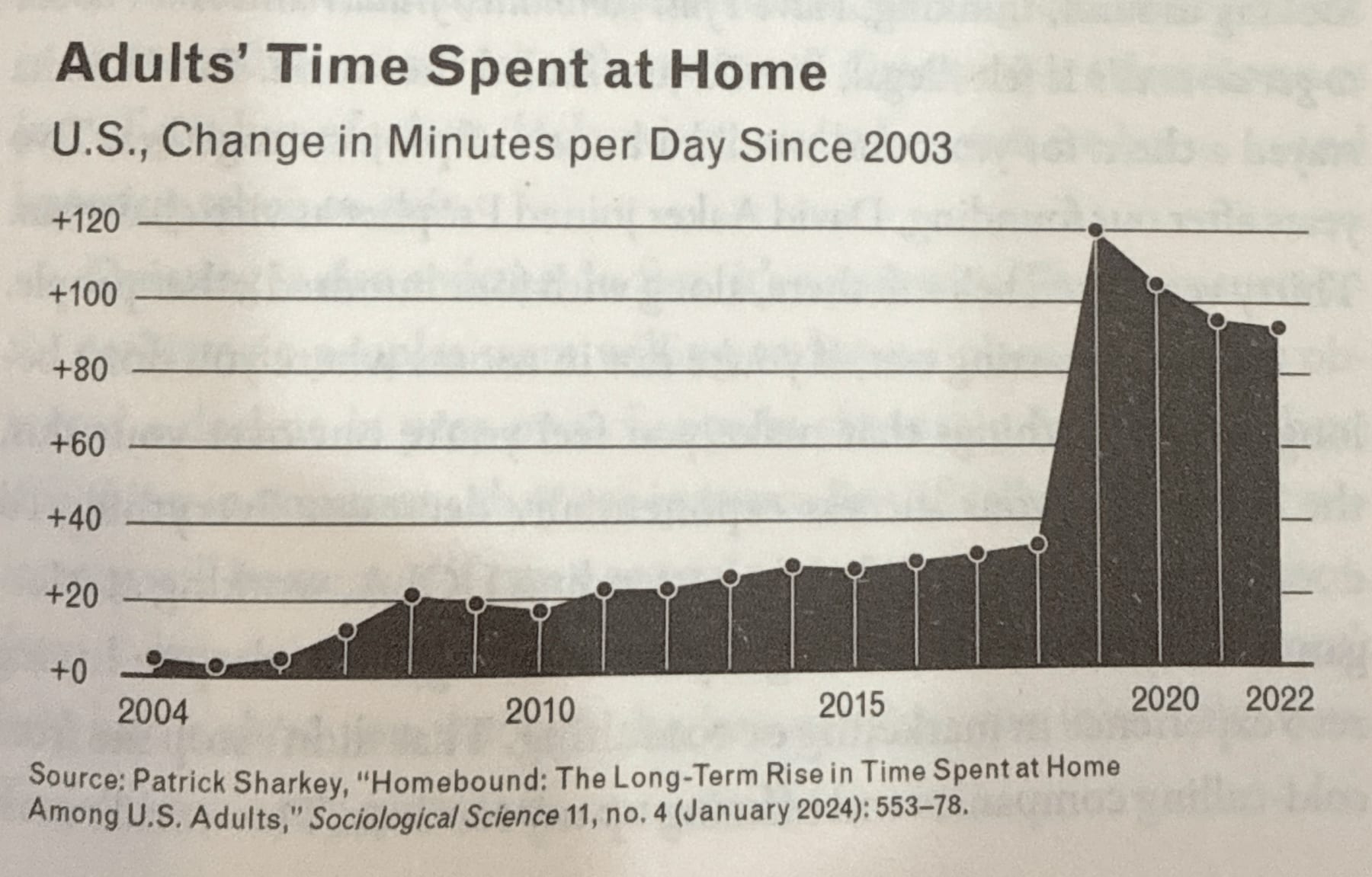
- Leave your house; the amount of time you spend at home is inversely correlated to your success
- Lone Wolf Howling
- Best to work for a large corporation
- Entrepreneur = salesperson
- Fail Fast
- Twenty-four months or less.
- Alternative-failing excruciatingly slowly over ten years is the absolute worst
- Nothing ventured
- Most hugely successful entrepreneurs don’t hit it on their first venture
- When to walk away
- Quitting is hard when the brain wants to hold on to invested money/time
- Semi-quitting (diversifying) critical skill
- If you have 80%+ of your net worth in one asset and people try to stop you from diversifying, they do not have your best interest at heart
- High Counsel
- You need your own high counsel to consult and shouldn’t make any big decision without the benefit of their input
- Shame
- Nobody is paying as much attention to your failures as you are, so fear them but don’t let them paralyze you.
- Don’t feel you need to excuse your failures or blame others.
- Be gracious in failure. Express gratitude to everyone who believed in your, and demonstrate grace to those who didn’t.
- “We are mites on a plum on a planet circling an unremarkable star on the outskirts of an ordinary galaxy which contains 400 billion other stars and is one of 100 billion other galaxies.” -Carl Sagan
- Nobody you care about or who cares about you will be alive a hundred years. Nobody will remember your successes or failures.
- Most basic law of the universe: Your insignificance
- Part of maturing and becoming a man means acknowledging your blessings—and creating opportunities for others.
- A nice thing about making money is that you start developing a taste for it-think Dracula and blood. Money, you realize, is fun and inter-esting, and making it is a good feeling. Why not see if you can make more? If you work at CVS, do you have the skills and organization to get a job at Whole Foods and earn even more money?
- A current narrative is that you’ll never regret spending time with your partner and your kids. I agree. But if you really want to stress your wife and kids out, try being broke.
- Work versus family, and who does what, is something every couple faces and needs to figure out together.
Health
- “Acceptable at a dance and invaluable in a shipwreck”
- Be strong
- Walking into any conference room or bar and believing that, if shit got real, he could defend himself gives a young man confidence. (Extra note: Don’t do this.)
- Be and stay fit—it has cascading effects on all other areas of your life.
- Mind the gap
- The gap between evaluating when I should work out versus doing it is what kills momentum. Collapsing the moment separating “should” and “do” has been a revelation.
- Fitness sends a signal that you can show up, are disciplined and committed, and take pride in who you are; i.e., the same attributes that make a man successful professionally and personally as a partner and father.
- Those who took in fifteen to twenty minutes of bright light first thing after waking up had significantly improved mental health compared with those who didn’t.
- Cardio
- three sessions of cardio a week, any format-running, biking, swimming
- One workout. should be longer, forty-five to sixty minutes, and involve a longer dis-tance, where you’re barely able to have a conversation. A second should be quicker, about a half hour where you push harder. A third should be brief, sprinting for ten to fifteen seconds anywhere from five to eight times, rest, and repeat. These shorter, faster bursts give you your VO max the maximum amount of oxygen you use during strenuous exer-cise) and help with conditioning and life (yard work, busting your ass to make a flight, helping your wife with her suitcase.
- You can’t take care of others if you don’t take care of yourself first. Get annual checkups, stay healthy.
- Spending two hours a week outside has been shown to significantly increase health and happiness.
Social/Friendship
- Along with fitness and work, I also ask young men to place themselves in an unfamiliar situation in the company of strangers three times a week in the agency of something bigger—a writing or cooking class, a nonprofit, church, a sports league. The only rule is that within the month they have to introduce themselves to everyone there. Starting with hello, then asking a stranger out for coffee. The other person might say no. The next day, they have to call and tell me how they feel. It might hurt, but guess what? They’re not mortally wounded or bankrupt; they’re still standing, and that’s everything.
- Dancing is sex but with clothes, shoes and music—a critical skill for boys and young men to master.
- Friendship doesn’t happen organically or serendipitously-get out there and be proactive. Practice vulnerability, even if it makes you feel like a klutz. Ignore cultural messages telling you that being emotional means you can’t cut it.
- Compliment your friends. Tell them how much you value what they bring to your life. The struggles young men share are often kept private-youd be surprised how universal and solvable most are. Be up-front about what’s going on with you.
- Having no friends can literally kill you. If that’s you, do something about it.
- We are emotional, physical beings—to not express our emotions in person, through shared experiences, is to be less human. Less alive.
- Friendship is an economic accelerant.
- Unemployed people who volunteer are 27% more likely to find work
- Lean into admiration of others.
- Strive to be at ease expressing your emotions where there’s trust. Compliment others.
- The best thing anyone can do to improve their own success is make friends with people of high character who are ambitious.
- Your goal at any age is to surround yourself with impressive, good, nice people.
- You’re the average of your five closest friends. Never shut down the opportunity to meet and learn from new people.
- Check in with your friends
- Last minute invitations typically work best
- When men feel vulnerable, their guard goes up; when women feel vulnerable, their guard drops.
- Most men in my experience are hungry for connection and depth. Next time you’re out with a male friend you trust: Go first.
- A man uses his innate assertiveness to help other people in need…assertively. Show up. Don’t ask what you can do—just do it.
- My own happiness today is mostly irrelevant; what matters more is whether my family members and friends are happy.
- Men of any age need an organizing principle to help regulate their lives and make them accountable—work, a friend group, hobbies, ideally a romantic relationship.
- You need to be around other people, as much as possible. Go into the office, join organizations, say yes to nearly any invitation, and make plans with others.
- An enemy of masculinity is isolation. “He’s so impressive and spends so much time alone,” said no one ever.
Mental
- Finally, I remind young men to cut themselves slack and stop being so hard on themselves. Reminded daily of their own perceived physical and financial shortcomings in a numbing, dumbing, deep-pocketed digital ecosystem designed to make them feel like screwups and cultural outsiders while simultaneously persuading them they can have a viable social and work life on their phones-while other voices online whisper that the world is against them thanks to women, trans athletes, and immigrants-their judgment and sense of reality take a beating. Adolescence is hard, the twenties harder, as one’s potential begins narrowing, more is at stake, perspective is limited, and any/all career decisions feel dispositive (see above, limited perspective).
- SCAFA: Sweat, Clean eating, Abstinence (no alcohol or weed), Family, Affection
- Vulnerability is Strength
- Men often struggle to admit they need help or to talk about their feelings, seeing it as weakness or that there’s too big of a social stigma or therapy’s too expensive. For many, the foundational traits of masculinity, including absorbing the blows of others, can blur the line separating being male from silent suffering (or worse). Pride and shame make for a toxic cocktail. It can kill you.
- But vulnerability is strength. By expanding the palette of what it means to be human and male (emphasis on human), you also get to show other men what’s possible via example. If they don’t get it, it’s their loss.
- Therapist or no therapist, here’s some advice: develop a practice of communicating to friends and family members what you’re feel-ing. If someone or something is funny, laugh out loud. If a book or film moves or inspires you, say so; ditto when you feel sad, anxious, frustrated, or need to be alone. Get used to saying “This sucks,” or “This makes me nervous,” or “I’m so happy.” (Note: it’s rarely one emotion-more likely several at once.) I’m not advocating vomiting your emotions at every dinner party; I’m just saying it’s a good habit to acknowledge and name what you feel, otherwise you’re just sleepwalking through life. It’s like learning a language. Sharing your upsets and triumphs with others is, for men, a soft power. It not only makes you feel better, you might also get good advice.
- Develop a practice of communicating to friends and family members what you’re feeling when you’re feeling it. You’re male, also human. Lean into your emo-tions. Otherwise, you’re just sleepwalking through life.
- Not everyone whats to be you or want what you want.
- Scott’s Values: Generous, really good dad, patriotic
- Every man needs to develop a code, a series of adjectives or behaviors that guide that define his everyday behavior.
- Emphasize the benefits of slow-dopa, where satisfactions are meted out over time.
- Whenever you feel low, defeated, or frustrated, the best solution is taking action. Believing you’re a victim does nothing but destroy agency and make you less likely to take action.
- The only way you will be loved by others, get to love them, and live a life you dont deserve is to take uncomfortable risks.
- Its a man’s job to take the temperature down, to model calm. This is one fact of surplus value—absorbing other people’s emotions without taking them on as your own.
- “If you can keep your head when all about you / Are losing theirs and blaming it on you..You’ll be a Man, my son” -Kipling
- Be comfortable with others expressing big emotions.
Marriage
- Tell her as often as possible how hot, wonderful, smart, and great she is and how much I appreciate her.
- Love is key—it’s what matters.
- Who you marry is meaningful; who you have kids with is profound. Like, and love, someone who likes, or loves, you just as much in return.
- Boys and men need guardrails more than girls and women do. Best is a romantic relationship.
- Best romantic partnerships I know are synced up on three things: passion, values, and money.
- Women respond well to men who are straight-forward in their interest in them, to men who take the initiative and who know how to listen. They also respond well to men who respect their responses to that straightforwardness and initiative
- Men should always strive to make women feel safe.
- The secret sauce of mating is kindness and consideration of others.
- Being funny is the fastest way to signal intellect—and can overcome countless other perceived shortcomings.
- Our partners encourage us to take smart risks, compensate for our weaknesses, and (in a healthy relationship have the strength to tell us when were doing something wrong, unfair, or just plain stupid. Good partners protect you from others; great partners protect you from yourself. It’s also true on sports teams, boards of directors, and in ensemble movie casts.
- Marry the right person and then invest in that relationship every day. Don’t keep score, and bring forgiveness, generosity, and engagement to your spouse, yourself and your marriage. In sum, show up.
- Find a woman you want to have sex with, be affectionate with, and spend time with. A great partnership is one where you genuinely want the other person to win, where you celebrate and relive each other’s victories.
- It’s human nature to inflate your own contribution to the relationship and minimize your partner’s. Couples who are always taking notes on who’s done what for whom waste energy, and ultimately both feel as if they’re in the loss column.
- Studies show that forgiveness is a key attribute to sustainable, happy relationships.
- Doing something for someone because you love them, and choosing their happiness over everything else, full stop.
- Marriage is a promise to give care, every day.
- Affection, touch, and sex reinforce that your relationship is singular.
- People who don’t feel desired are more likely to feel insecure and to like themselves less around you, which can metastasize into a variety of relationship cancers.
- Four Horsemen (contempt, criticism, defensiveness, and stonewalling) are leading predictors of early divorce. Ditto for emotional withdrawal.
- “I tell her no one is willing to give me a ton of money to stay home and gaze longingly into her eyes.”
Fatherhood
- New fathers almost always feel unprepared for being dads, and that’s normal.
- Having kids is the best thing you can do that will ruin your life.
- Model physical affection as often as possible with your kids. It’s magical.
- Find as many moments of engagement with your kids as you can. Your real purpose is just to love them.
- Being in those moments with them we’re relaxed and affectionate are unself-conscious feels godly.
- I’m working on being a parent who communicates principles of kindness, empathy, and perseverance instead of assuming they’ll organically show up
- One of the benefits of having kids at a later age is you have a greater understanding of scarcity. Not just of time but of your kids…and who you are.
- I put, mentally, a big sign above my boys heads: LIMITED EDITION, YOUR ELEVEN-YEAR-OLD SON, ONE SUMMER ONLY.
- Your kids don’t inherit your interests; it’s your job to foster and adopt theirs. If you don’t get interested in what your kids are into, you won’t have much overlap.
- Countering my disappointment that they aren’t more impressed with me, or proud of me, or hungry for my ap-proval, is the fact they know they have it. They know I’m always there for them, thinking, worrying about them. You might say they haunt me. Hands down, they’re my priority.
- Creating surplus value and ending up in the minus column is what being a good dad is all about.
- Children who grow up in blessed households often get more love than they give.
- The transition from boyhood to manhood and fatherhood means recognizing that it’s your job to add more value than you take, across every dimension.
- Don’t keep score in your relationships. Instead be the father, son, and partner you aspire to be.
- Have an outline of expected responsibilities
- Garbage Time
- There’s an assumption among divorced men that their scarcity creates “quality time” whenever they see their kids. That’s bullshit. Quality time is a concept made up by a bunch of frazzled men who weren’t spending enough time with their kids and decided “quality time” compensated for their invisibility. It doesn’t.
- The author Ryan Holiday came up with a great phrase-garbage. time—to describe those random, unplanned times that allow for moments of intimacy between parents and kids. Driving them to school in the morning, running them to soccer practice, cooking dinner together-that’s garbage time. It matters… a lot. En route to school, out of nowhere your son pipes up that he has a crush on someone. It’s the first time you’ve heard about it. Garbage time happens only when you’re around. The rest of the time you’re a dork and uncool. But your kids will remember you were there, how your omnipresence made it possible for them to tell you stuff.
- Garbage time—taking drives, hanging out, watching a movie—is what your kids will remember.
- Giving more love to your kids than they give back to you is what’s supposed to happen here.
Manners
- Key to humans’ survival is and has been kindness, consideration, and cooperation.
- Young men were encouraged and expected to facilitate conversation, avoid controversy, and serve as champions, lovers and protectors of women.
- Good manners are manhood in action. They communicate respect. They show that you have a core, a code, show that you’re disciplined and organized, and that you anticipate and consider others before yourself. Surplus value, in other words.
- Mannerrs are manhood in action, good rehearsal, for delivering surplus value.
- When a stranger enter the room, you rise and acknowledge their arrival.
- Eye contact
- People love to talk about themselves
- If my rich friends aren’t body-slamming one another to be the first to pay, then we’re not friends.
- A man should always hold the door open for a woman.
- Take care of others, put them first.
- If a new water pitcher arrives at the dinner table, don’t fill your glass first. Fill or refill the empty glasses before yours.
Review
🛠️ Active Reading Workflow
1. Prime (5 min)
- Thesis Prediction:
- Prior Knowledge:
- Questions to Answer:
2. Process (The “During” Loop)
Mark: T (Thesis), R (Reason), E (Evidence), D (Def), O (Objection).
- [ ] Q→A: Convert headings to questions; notes = answers.
- [ ] Feynman Check: Explain dense sections in 1-2 sentences.
- [ ] Originality: One original analogy/example per concept.
3. Review & Consolidate (Post-Session)
- [ ] Recall Dump: (Close book, list claims/terms).
- [ ] 3-2-1: 3 takeaways · 2 questions · 1 application.
- [ ] High-Yield Flashcards: (Definition, Claim → Reason, Objection).
🏛️ Analytical Deep-Dive (Adler/Paul-Elder)
| Element | Summary / Notes |
|---|---|
| Unity | The book in one sentence. |
| Problem | The central question the author is solving. |
| Propositions | Main claims in my own words. |
| Logic | Premises → Conclusion. |
| Criticism | Is the author uninformed, misinformed, or illogical? |
Counter-Argument (Steelman):
🚀 Application & Quality Gates
- The Experiment: [Define one behavior change].
- Gate 1: I can explain this in 3 mins without notes. [ ]
- Gate 2: I have at least one original counter-argument. [ ]
- Gate 3: Notes are <10% of original text length. [ ]
🖋️ Scratchpad
Unfiltered thoughts, argument trees, or “what if” scenarios.