⬅️ Hub: Psychology Books (MOC) · Parent: 60.21 Psychology
DESCRIPTION
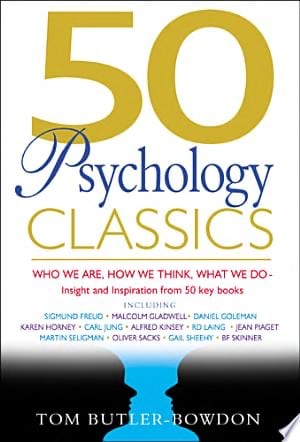
Explore the key wisdom and figures of psychology’s development over 50 books, hundreds of ideas, and a century of time.
My Summary
Main Ideas, Takeaways & Similarities
Questions
I. What is the problem?
A. How is this problem formulated?
B. Why is this problem important?
C. What is the history of this problem?
D. Which prominent personalities have been interested in this problem?
II. What solutions to the problem are there?
A. What are the conclusions reached?
B. By what argument(s) is the conclusion reached?
C. What facts or assumptions serve as premises?
D. When a prominent personality offers a solution, does he also argue for or against other prominent personalities? Does he raise objections to alternative solutions? Does he consider objections to his own solutions?
III. Evaluation
A. What are the advantages and disadvantages of the alternative formulations to the problem?
B. Has the importance or history of the problem ever been misrepresented?
C. Are the solutions logically related to the premises?
D. Are the facts true? Are the assumptions acceptable? Are the objections answerable?
AI Summary
Highlights
“50 Psychology Classics: Who We Are, How We Think, What We Do; Insight and Inspiration from 50 Key Books” by Tom Butler-Bowdon is a compilation of key insights from 50 influential books in the field of psychology. Here is a summary in bullet points:
Title: 50 Psychology Classics: Who We Are, How We Think, What We Do; Insight and Inspiration from 50 Key Books
Content Overview:
- Introduction:
- Introduces the concept of the book, which is to distill the wisdom and insights from 50 classic psychology books.
- Foundations of Psychology:
- Explores foundational concepts in psychology, including the nature of the mind, consciousness, and human behavior.
- Understanding Ourselves:
- Discusses books that delve into self-awareness, personality development, and the factors that shape human behavior.
- Mind and Brain:
- Examines the relationship between the brain and the mind, including insights from neuroscience and cognitive psychology.
- Emotions and Relationships:
- Covers books that explore the complexities of human emotions, relationships, and the dynamics of social interactions.
- Personal Development:
- Discusses self-help and personal development books that offer strategies for personal growth, success, and well-being.
- Mental Health and Well-being:
- Explores books related to mental health, including topics like depression, anxiety, and resilience.
- Psychology and Work:
- Examines the psychology of work, motivation, leadership, and career success.
- Psychology and Society:
- Discusses books that analyze the impact of psychology on society, including topics like conformity, prejudice, and social change.
- Conclusion:
- Summarizes the key takeaways from the 50 psychology classics and highlights the enduring relevance of psychological insights.
Key Themes:
- The book offers concise summaries and key insights from classic psychology books, making complex psychological concepts accessible to a wide audience.
- It covers a wide range of topics, including the mind-body connection, emotions, personality, and social psychology.
- Readers gain access to a wealth of wisdom from influential psychologists and thinkers, such as Sigmund Freud, Carl Jung, Abraham Maslow, and many others.
- “50 Psychology Classics” serves as a valuable resource for individuals interested in psychology, personal development, and understanding human behavior.
- The book provides a snapshot of the evolution of psychological thought and offers practical applications of psychological principles to everyday life.
Legacy:
- “50 Psychology Classics” has become a popular reference guide for those interested in psychology and self-improvement.
- It has contributed to a broader understanding of psychology and its practical applications, making the insights of classic psychology texts accessible to a wide readership.
- The book continues to inspire individuals to explore the rich and diverse field of psychology, offering a curated list of essential readings for those seeking personal growth and self-awareness.