⬅️ Hub: Psychology Books (MOC) · Parent: 60.21 Psychology
DESCRIPTION
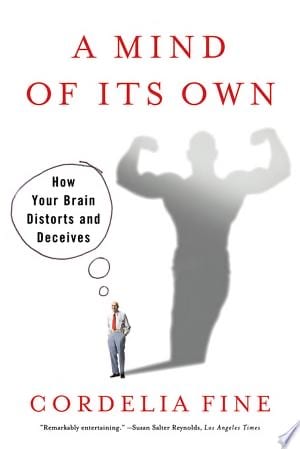
Exposing the mind’s deceptions and exploring how the mind defends and glorifies the ego, Dr. Fine illustrates the brain’s tendency to self-delusion, whether it be hindsight bias, wishful thinking, unrealistic optimism, or moral excuse-making.
My Summary
Main Ideas, Takeaways & Similarities
Questions
I. What is the problem?
A. How is this problem formulated?
B. Why is this problem important?
C. What is the history of this problem?
D. Which prominent personalities have been interested in this problem?
II. What solutions to the problem are there?
A. What are the conclusions reached?
B. By what argument(s) is the conclusion reached?
C. What facts or assumptions serve as premises?
D. When a prominent personality offers a solution, does he also argue for or against other prominent personalities? Does he raise objections to alternative solutions? Does he consider objections to his own solutions?
III. Evaluation
A. What are the advantages and disadvantages of the alternative formulations to the problem?
B. Has the importance or history of the problem ever been misrepresented?
C. Are the solutions logically related to the premises?
D. Are the facts true? Are the assumptions acceptable? Are the objections answerable?
AI Summary
Highlights
“A Mind of Its Own: How Your Brain Distorts and Deceives” is a book written by Cordelia Fine, published in 2006. The book explores various ways in which the human brain can distort information and deceive individuals. Here is a comprehensive summary of the book in bullet points:
- The book examines the ways in which the human brain processes and interprets information, often leading to cognitive biases and distortions.
- Cordelia Fine explores how the brain can deceive individuals through a range of cognitive mechanisms and biases.
- She discusses the concept of “confirmation bias,” where people tend to seek out information that confirms their existing beliefs and ignore information that contradicts them.
- The book delves into the “anchoring effect,” where individuals rely heavily on the first piece of information they encounter when making judgments or decisions.
- Fine addresses the “availability heuristic,” which involves making judgments based on the ease with which relevant examples or information come to mind, leading to skewed perceptions of risk.
- She explores the “hindsight bias,” where individuals believe that events were predictable after they have already occurred, leading to an overestimation of one’s own foresight.
- The book discusses the “illusory correlation,” which occurs when people perceive a relationship between two variables even when there is none, often leading to stereotypes and prejudice.
- Fine explores the role of the “overconfidence bias,” where individuals tend to overestimate their own abilities and the accuracy of their judgments.
- She provides examples and case studies to illustrate these cognitive biases and their real-world consequences.
- The book emphasizes the limitations of human perception and decision-making, highlighting the ways in which the brain can lead individuals astray.
- Fine discusses the impact of these biases on various aspects of life, including personal relationships, decision-making, and social behavior.
- She offers insights into how individuals can become more aware of these biases and make more rational decisions.
- The book underscores the importance of critical thinking, skepticism, and evidence-based reasoning in countering the brain’s natural tendencies to distort information.
- Fine concludes by encouraging readers to adopt a more mindful and reflective approach to their own thinking and judgments.
“A Mind of Its Own: How Your Brain Distorts and Deceives” provides a comprehensive exploration of the various cognitive biases and distortions that can affect human perception and decision-making. Cordelia Fine’s book offers practical insights into recognizing and addressing these biases, promoting critical thinking, and making more rational choices. It underscores the importance of being aware of the brain’s natural tendencies to deceive and distort information.