⬅️ Hub: Psychology Books (MOC) · Parent: 60.21 Psychology
DESCRIPTION
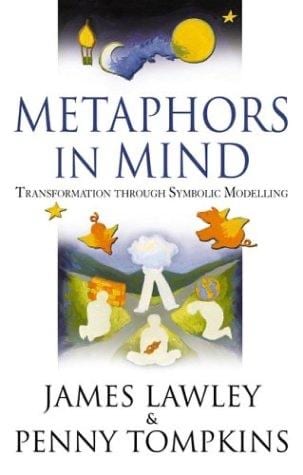
Describing how to give individuals an opportunity to discover how their symbolic perceptions are organized, what needs to happen for these to change, and how they can develop as a result, this text includes three client transcripts.
My Summary
Main Ideas, Takeaways & Similarities
Questions
I. What is the problem?
A. How is this problem formulated?
B. Why is this problem important?
C. What is the history of this problem?
D. Which prominent personalities have been interested in this problem?
II. What solutions to the problem are there?
A. What are the conclusions reached?
B. By what argument(s) is the conclusion reached?
C. What facts or assumptions serve as premises?
D. When a prominent personality offers a solution, does he also argue for or against other prominent personalities? Does he raise objections to alternative solutions? Does he consider objections to his own solutions?
III. Evaluation
A. What are the advantages and disadvantages of the alternative formulations to the problem?
B. Has the importance or history of the problem ever been misrepresented?
C. Are the solutions logically related to the premises?
D. Are the facts true? Are the assumptions acceptable? Are the objections answerable?
AI Summary
Highlights
“Metaphors in Mind: Transformation through Symbolic Modelling” by James Lawley and Penny Tompkins is a book that explores the power of metaphors and symbolic modeling as tools for personal and professional transformation. It introduces readers to the Symbolic Modeling process and how it can be used to facilitate change and understanding. Here is a comprehensive summary in bullet points:
- Title: Metaphors in Mind: Transformation through Symbolic Modelling
- Authors: James Lawley and Penny Tompkins
Introduction:
- Introduces the concept of Symbolic Modeling and its application in facilitating personal and professional change.
- Emphasizes the role of metaphors as a powerful means of understanding and communication.
Chapter 1: The Alchemy of Metaphor:
- Discusses the significance of metaphors in human thinking and communication.
- Introduces the idea that metaphors can be used to access and transform one’s inner world.
Chapter 2: David Grove: A Life of Developing Clean Language:
- Explores the life and work of David Grove, a pioneer in the field of Symbolic Modeling.
- Discusses Grove’s development of Clean Language and its impact on facilitation and coaching.
Chapter 3: Basics of Symbolic Modelling:
- Introduces the fundamentals of Symbolic Modeling, including Clean Language questions and principles.
- Discusses the role of the facilitator in guiding clients to explore their metaphors.
Chapter 4: Getting Started with Symbolic Modelling:
- Provides practical guidance on how to begin using Symbolic Modeling in professional practice.
- Discusses the importance of creating a safe and respectful space for clients.
Chapter 5: Working with Metaphor Landscape:
- Explores the concept of the “Metaphor Landscape” as a representation of an individual’s inner world.
- Discusses techniques for facilitating exploration and transformation within this landscape.
Chapter 6: Working with Clients:
- Provides insights into the process of working with clients using Symbolic Modeling.
- Discusses the art of listening, questioning, and facilitating change through metaphors.
Chapter 7: Symbolic Modeling in Groups:
- Explores the application of Symbolic Modeling in group settings.
- Discusses how the process can be adapted for workshops and training programs.
Chapter 8: Facilitating Personal Change:
- Discusses how Symbolic Modeling can be used to facilitate personal transformation and growth.
- Explores case studies and examples of individuals experiencing change through metaphors.
Chapter 9: Facilitating Professional Change:
- Explores the application of Symbolic Modeling in professional contexts, such as coaching and therapy.
- Discusses how the process can help individuals overcome challenges and achieve their goals.
Chapter 10: Continuing with Symbolic Modelling:
- Provides resources and guidance for those interested in further exploring and developing their skills in Symbolic Modeling.
- Discusses ongoing learning and practice.
Conclusion:
- Summarizes the key concepts and principles of Symbolic Modeling.
- Highlights the transformative potential of metaphors in facilitating change and understanding.
Legacy:
- “Metaphors in Mind” introduces readers to the innovative approach of Symbolic Modeling, Clean Language, and the power of metaphors in personal and professional transformation.
- James Lawley and Penny Tompkins’ book serves as a valuable resource for facilitators, coaches, therapists, and anyone interested in exploring the deep insights and change facilitated by metaphors.