⬅️ Hub: Psychology Books (MOC) · Parent: 60.21 Psychology
DESCRIPTION
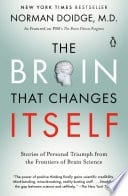
“Fascinating. Doidge’s book is a remarkable and hopeful portrait of the endless adaptability of the human brain.”—Oliver Sacks, MD, author of The Man Who Mistook His Wife for a Hat What is neuroplasticity? Is it possible to change your brain? Norman Doidge’s inspiring guide to the new brain science explains all of this and more An astonishing new science called neuroplasticity is overthrowing the centuries-old notion that the human brain is immutable, and proving that it is, in fact, possible to change your brain. Psychoanalyst, Norman Doidge, M.D., traveled the country to meet both the brilliant scientists championing neuroplasticity, its healing powers, and the people whose lives they’ve transformed—people whose mental limitations, brain damage or brain trauma were seen as unalterable. We see a woman born with half a brain that rewired itself to work as a whole, blind people who learn to see, learning disorders cured, IQs raised, aging brains rejuvenated, stroke patients learning to speak, children with cerebral palsy learning to move with more grace, depression and anxiety disorders successfully treated, and lifelong character traits changed. Using these marvelous stories to probe mysteries of the body, emotion, love, sex, culture, and education, Dr. Doidge has written an immensely moving, inspiring book that will permanently alter the way we look at our brains, human nature, and human potential.
My Summary
Main Ideas, Takeaways & Similarities
Questions
I. What is the problem?
A. How is this problem formulated?
B. Why is this problem important?
C. What is the history of this problem?
D. Which prominent personalities have been interested in this problem?
II. What solutions to the problem are there?
A. What are the conclusions reached?
B. By what argument(s) is the conclusion reached?
C. What facts or assumptions serve as premises?
D. When a prominent personality offers a solution, does he also argue for or against other prominent personalities? Does he raise objections to alternative solutions? Does he consider objections to his own solutions?
III. Evaluation
A. What are the advantages and disadvantages of the alternative formulations to the problem?
B. Has the importance or history of the problem ever been misrepresented?
C. Are the solutions logically related to the premises?
D. Are the facts true? Are the assumptions acceptable? Are the objections answerable?
AI Summary
Highlights
“The Brain That Changes Itself: Stories of Personal Triumph from the Frontiers of Brain Science” is a book written by Norman Doidge, published in 2007. The book explores the concept of neuroplasticity and how the brain has the remarkable ability to adapt, rewire, and recover from various conditions. Here is a comprehensive summary of the book in bullet points:
- The book introduces the concept of neuroplasticity, which is the brain’s capacity to reorganize, adapt, and change throughout an individual’s life.
- Norman Doidge discusses the historical resistance to the idea of neuroplasticity and how it has challenged traditional beliefs about the brain’s fixed and unchangeable nature.
- He presents a series of compelling case studies and stories of individuals who have experienced significant neurological changes and recoveries through neuroplasticity.
- The book explores the work of pioneering neuroscientists and researchers who have contributed to our understanding of neuroplasticity, including Michael Merzenich and Paul Bach-y-Rita.
- Doidge discusses the role of sensory substitution, where one sense can compensate for another, and the development of technologies to aid individuals with sensory impairments.
- The book delves into the use of neuroplasticity to treat various neurological conditions and disorders, including stroke, autism, and learning disabilities.
- Doidge explores the role of brain training exercises and therapies, such as neurofeedback and cognitive behavioral therapy, in harnessing neuroplasticity to promote healing and recovery.
- He discusses the potential for neuroplasticity to enhance cognitive abilities, including memory and creativity, and how it can be applied to improve mental health and well-being.
- The book addresses the plasticity of the aging brain and how ongoing learning and mental engagement can help preserve cognitive function.
- Doidge reflects on the ethical and philosophical implications of neuroplasticity, including questions about identity and the potential for enhancing human capabilities.
- He emphasizes the importance of hope and optimism in the context of neuroplasticity and the idea that individuals can take an active role in shaping their brain’s capacity for change.
- The book concludes by highlighting the transformative power of neuroplasticity and the potential for continued discoveries in the field of brain science.
“The Brain That Changes Itself” provides a captivating exploration of the concept of neuroplasticity and its profound implications for our understanding of the brain’s capacity for change and adaptation. Norman Doidge’s book offers inspiring stories of personal triumph and scientific breakthroughs, shedding light on the remarkable potential of the human brain to recover from injury, adapt to new circumstances, and enhance cognitive abilities. It challenges traditional notions of brain fixity and offers hope for individuals facing neurological challenges.