⬅️ Hub: Psychology Books (MOC) · Parent: 60.21 Psychology
DESCRIPTION
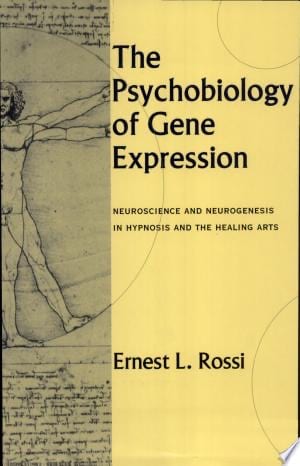
The new understanding of the relationships between gene expression and human experience emerging from the Human Genome Project is setting the stage for a profound expansion of our understanding of life. The new neuroscience discoveries about enriching life experiences, neurogenesis, and gene expression are poised to profoundly expand our understanding of psychotherapy and the holistic healing arts. We are just beginning to learn how the brain, the body, and our genes interact in ordinary everyday life to create our lives. Here, acclaimed author and pioneer of new approaches to mindbody communication Ernest Rossi introduces the new science of psychosocial genomics and explores how it will profoundly change our understanding of the pathways of communication among mind, body, and spirit. Integrating modern molecular medicine with traditional holistic healing art and spiritual rites, Rossi documents dramatically new approaches to optimize creativity in psychotherapy and therapeutic hypnosis with both individuals and groups. Part I reviews significant leading-edge neuroscience research on the psychobiology of gene expression and neurogenesis that leads to a new vision of the role of consciousness and creativity in the humanities and the healing arts. Part II explores how to creatively facilitate the psychodynamics of gene expression, neurogenesis, and healing in therapeutic hypnosis, psychotherapy, and human relationships in general. The Psychobiology of Gene Expression illustrates, step-by-step, how to facilitate the natural four-stage creative process on all levels from mind to molecule in our daily work of building a better brain. The book demonstrates how we can use our consciousness and our perception of free will to co-create ourselves in cooperation with nature. Rossi proposes practical approaches to optimize the natural cycles of gene expression in normal consciousness, sleep, dreaming, meditation, and the arts of daily living that are experienced by everyone. A case study spanning two chapters, containing dialog and explanatory commentary, brings the author’s work to life and gives readers a deeper appreciation of its clinical application. Rossi’s lucid writing style and vivid illustrations inspire this text with a new vision of the creative arts, humanities, and culture in facilitating the optimal development of health, performance, and consciousness.
My Summary
Main Ideas, Takeaways & Similarities
Questions
I. What is the problem?
A. How is this problem formulated?
B. Why is this problem important?
C. What is the history of this problem?
D. Which prominent personalities have been interested in this problem?
II. What solutions to the problem are there?
A. What are the conclusions reached?
B. By what argument(s) is the conclusion reached?
C. What facts or assumptions serve as premises?
D. When a prominent personality offers a solution, does he also argue for or against other prominent personalities? Does he raise objections to alternative solutions? Does he consider objections to his own solutions?
III. Evaluation
A. What are the advantages and disadvantages of the alternative formulations to the problem?
B. Has the importance or history of the problem ever been misrepresented?
C. Are the solutions logically related to the premises?
D. Are the facts true? Are the assumptions acceptable? Are the objections answerable?
AI Summary
Highlights
“The Psychobiology of Gene Expression” by Ernest Rossi is a book that explores the relationship between the mind, emotions, and gene expression. It delves into the emerging field of psychobiology and how psychological and emotional factors can influence the functioning of genes. Here is a comprehensive summary in bullet points:
- Title: The Psychobiology of Gene Expression
- Author: Ernest Rossi
Introduction:
- Introduces the concept of psychobiology and its role in understanding the mind-body connection.
- Emphasizes the idea that thoughts, emotions, and beliefs can impact gene expression and overall health.
Chapter 1: The Mind-Body Communication Revolution:
- Discusses the historical development of the mind-body connection in science.
- Introduces the concept of “psychosocial genomics.”
Chapter 2: Genes and Behavior: The Emerging Psychobiology:
- Explores the relationship between genes and behavior.
- Discusses how gene expression can be influenced by psychological and environmental factors.
Chapter 3: The Psychosocial Genome:
- Introduces the idea of the “psychosocial genome,” which refers to the set of psychological and emotional factors that can affect gene expression.
- Discusses the impact of stress, emotions, and social interactions on gene activity.
Chapter 4: The Biology of Hypnosis:
- Explores the role of hypnosis in influencing gene expression.
- Discusses how hypnotic suggestions can lead to physiological changes at the genetic level.
Chapter 5: The Brain’s Role in Hypnotic Healing:
- Examines the brain’s involvement in the healing process during hypnosis.
- Discusses the brain’s ability to regulate gene expression and promote healing.
Chapter 6: Healing Stories:
- Presents case studies and stories of individuals who have experienced healing through psychosocial interventions.
- Discusses the power of narrative and belief in influencing gene expression.
Chapter 7: Strategies for Self-Healing:
- Provides practical strategies for individuals to harness the mind-body connection for self-healing.
- Discusses techniques such as mindfulness, visualization, and positive thinking.
Chapter 8: Psychosocial Genomics in Practice:
- Discusses the application of psychosocial genomics in various fields, including healthcare, therapy, and personal development.
- Explores how healthcare professionals and therapists can incorporate these principles into their work.
Chapter 9: The Future of Psychosocial Genomics:
- Speculates on the future developments in the field of psychosocial genomics.
- Discusses the potential for personalized medicine based on an individual’s psychosocial genome.
Conclusion:
- Summarizes the key concepts and insights presented in the book.
- Reiterates the idea that the mind and emotions have a profound impact on gene expression and overall health.
Legacy:
- “The Psychobiology of Gene Expression” contributes to the understanding of the mind-body connection and the role of psychosocial factors in health and healing.
- Ernest Rossi’s book encourages readers to explore the potential for self-healing and personal transformation through a deeper understanding of psychosocial genomics.
- It serves as a resource for healthcare professionals, therapists, and individuals interested in the intersection of psychology, biology, and healing.