DESCRIPTION
The untold stories of some of history’s most notorious art cons—and the secret history of fakes, frauds, and forgeries in the art world
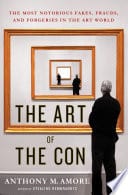
While R. Paul Wilson’s book (which we discussed earlier) focuses on street scams and psychological grifts, Anthony Amore’s The Art of the Con: The Most Notorious Fakes, Frauds, and Forgeries in the Art World (2015) dives into the high-stakes, multi-billion dollar world of art crime.
Amore, who is the Director of Security at the Isabella Stewart Gardner Museum (home of the world’s most famous unsolved art heist), uses his expertise to deconstruct how forgers and con artists exploit the vanity, greed, and lack of regulation in the art market.
1. The Psychology of the Art Mark
Amore argues that the “marks” in these cons aren’t just gullible individuals; they are often sophisticated collectors, gallery owners, and museum curators. He identifies three main vulnerabilities they share:
- The Desire for a “Discovery”: Collectors dream of finding a lost masterpiece in an attic. This “lust for the find” blinds them to red flags.
- Deference to Authority: If a “renowned expert” says a painting is real, few people have the courage to challenge them.
- Privacy and Ego: The art world is notoriously opaque. Many victims refuse to report crimes because they are embarrassed or don’t want to devalue their other assets.
2. The Mechanics of the Forgery
The book details the various ways forgers “prove” a painting is real. It’s rarely just about the talent of the artist; it’s about the provenance (the paper trail).
- Manufacturing History: Forgers create fake gallery labels, forge letters from dead experts, and even “plant” fake paintings in old auction catalogs.
- The “Old” Look: Amore describes techniques like using period-accurate wood panels, baking canvases to create “craquelure” (the spider-web cracks in old paint), and using vacuum cleaner dust to make a new frame look decades old.
3. Key Case Studies
Amore highlights several notorious figures who nearly toppled the art market:
- Wolfgang Beltracchi: Perhaps the most successful forger in history. He didn’t just copy paintings; he painted _new_works in the style of famous artists (like Max Ernst) and claimed they were part of a “lost collection.” He was only caught when he used a modern white paint (Titanium White) that didn’t exist in the era he was faking.
- The Knoedler Gallery Scandal: This involved the oldest gallery in New York selling $80 million worth of fake Abstract Expressionist paintings (Rothkos, Pollocks) that were actually painted by a Chinese mathematician in a garage in Queens.
- John Myatt and John Drewe: Myatt painted the fakes, but Drewe was the true con artist. Drewe physically broke into the archives of the Tate Museum to insert fake records into their files, essentially “hacking” the history of art.
4. Why the Cons Work
Amore emphasizes that the art world is a “handshake” industry.
- Lack of Due Diligence: Even for $10 million purchases, buyers often fail to perform basic scientific testing (like Carbon-14 dating or X-ray fluorescence).
- The “Silence of the Experts”: Authentication is a legal minefield. Many experts are afraid to label a painting a fake for fear of being sued by the owner for “disparagement of property.”
Major Takeaways
| Theme | Amore’s Insight |
|---|---|
| Authenticity | It’s not about what the painting looks like; it’s about what you can prove about its past. |
| Regulation | The art market is less regulated than the stock market, making it a playground for money laundering and fraud. |
| The Victim | The victim’s own desire to believe is the con artist’s most powerful tool. |
“The most successful forgers don’t just mimic the brushstrokes of a master; they mimic the greed of the buyer.” — Anthony Amore