Filed with 60.23 History · Related: 60.13 Wars · 60.14 Colonialism
Pinker’s Chapter 6 supplement — mass killing is concentrated in regimes, ideologies, and leaders
Using R. J. Rummel’s democide estimates, Pinker writes that four regimes accounted for about three-quarters of twentieth-century deaths attributed to governments and fifteen accounted for about 86%. He calls the concentration an 80:4 rule: 80% of deaths were attributed to 4% of the regimes. In the same classification, totalitarian regimes accounted for 138 million deaths, authoritarian regimes 28 million, and democracies 2 million. The estimates are highly definition-dependent, overlap ambiguously with war and policy-driven famine, and remain contested. They support a claim of concentration, not precision to the last victim or collective guilt for every citizen and adherent.
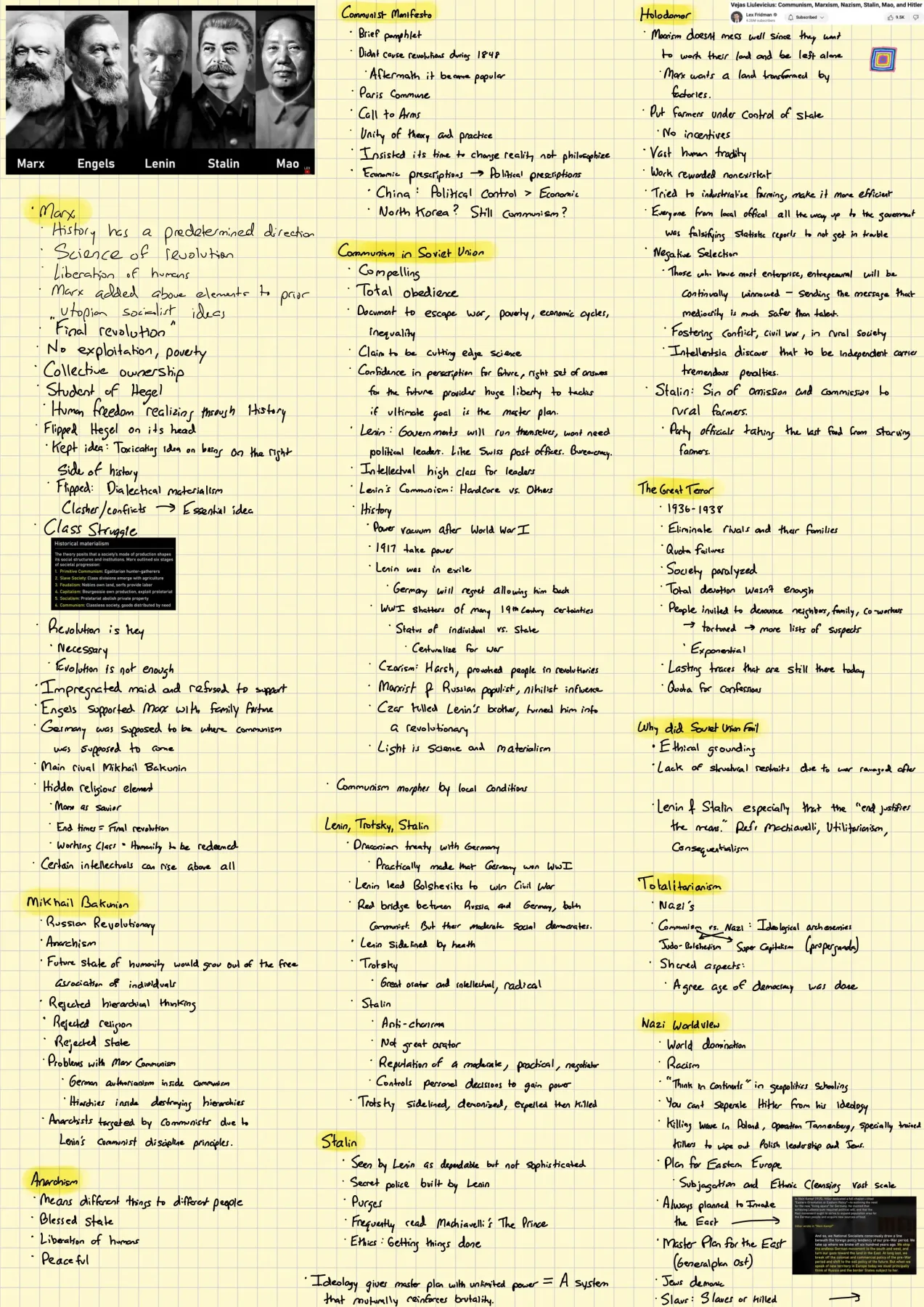
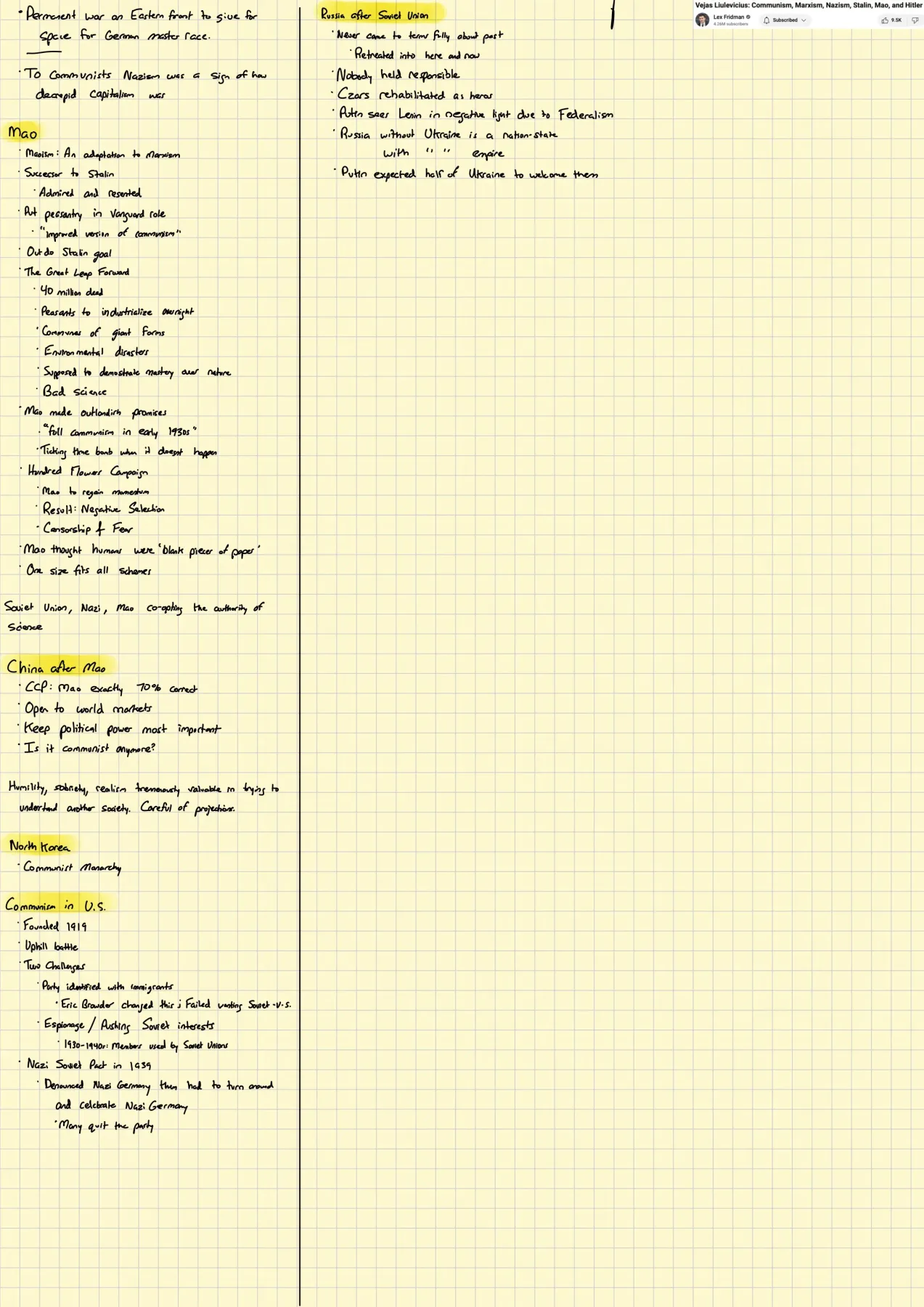
Pinker’s proposed mechanisms include utopian projects that promise an effectively infinite future good, turn opponents into obstacles to be removed, and moralize extreme means; agrarian or antiurban purity myths; and exclusionary ideologies that define whole groups as irredeemable. He also stresses contingency and agency: decisions by leaders such as Hitler, Stalin, and Mao mattered, rather than following mechanically from impersonal social conditions. This is an interpretive synthesis, not a settled causal decomposition of each regime’s crimes. Chapter 6 synthesis · Attachment (file not included in this release)