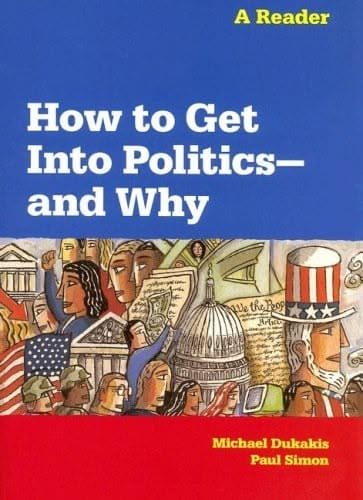

DESCRIPTION
My Summary
Main Ideas, Takeaways & Similarities
Questions
I. What is the problem?
A. How is this problem formulated?
B. Why is this problem important?
C. What is the history of this problem?
D. Which prominent personalities have been interested in this problem?
II. What solutions to the problem are there?
A. What are the conclusions reached?
B. By what argument(s) is the conclusion reached?
C. What facts or assumptions serve as premises?
D. When a prominent personality offers a solution, does he also argue for or against other prominent personalities? Does he raise objections to alternative solutions? Does he consider objections to his own solutions?
III. Evaluation
A. What are the advantages and disadvantages of the alternative formulations to the problem?
B. Has the importance or history of the problem ever been misrepresented?
C. Are the solutions logically related to the premises?
D. Are the facts true? Are the assumptions acceptable? Are the objections answerable?
AI Summary
Highlights
“How to Get Into Politics—And Why: A Reader” is a book written by Marc Johnson and published in 2000. The book offers guidance and insights for individuals interested in pursuing a career in politics or public service. Here is a comprehensive summary of the book in bullet points:
- The book serves as a practical guide for individuals interested in entering the field of politics or public service, providing advice and perspectives on the political process.
- Marc Johnson offers personal anecdotes and reflections on his own experiences in politics, providing real-world examples and insights.
- The book emphasizes the importance of civic engagement and the role of citizens in shaping the political landscape.
- Johnson discusses the motivations that lead individuals to pursue careers in politics, highlighting the desire to make a positive impact on society and effect change.
- He provides a detailed overview of the political landscape, including the various levels of government (local, state, and federal) and the roles of elected officials.
- The book explores the practical steps individuals can take to get involved in politics, including volunteering, internships, and networking.
- Johnson offers advice on campaign work, including how to become a campaign volunteer, staff member, or candidate.
- He discusses the importance of building a personal brand and a strong reputation in politics, emphasizing the role of credibility and trust.
- The book addresses the challenges and ethical considerations of a career in politics, including the need for transparency, integrity, and accountability.
- Johnson explores the skills and qualities that are valuable in the political arena, such as effective communication, leadership, and problem-solving.
- He provides insights into the campaign process, from fundraising and voter outreach to campaign strategy and messaging.
- The book also delves into the impact of technology and social media on modern political campaigns and communication.
- Johnson encourages individuals to stay informed about current events, policy issues, and the political climate to be effective in their roles.
- He discusses the role of mentors and advisors in political careers and the value of learning from experienced individuals.
- The book concludes by reinforcing the idea that anyone can get involved in politics and make a difference in their community and society as a whole.
“How to Get Into Politics—And Why: A Reader” serves as a practical guide for those interested in pursuing a career in politics or public service. Marc Johnson offers personal insights, practical advice, and encouragement for individuals looking to get involved in the political process and contribute to positive change in their communities.