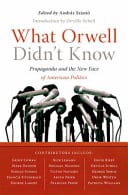
DESCRIPTION
To celebrate the 60th anniversary of George Orwells classic essay on propaganda, “Politics and the English Language,” this collection contains essays from writers who explore what Orwell didnt—or couldnt—know, from the effects of television and computers to the merger of journalism and entertainment.
My Summary
Main Ideas, Takeaways & Similarities
Questions
I. What is the problem?
A. How is this problem formulated?
B. Why is this problem important?
C. What is the history of this problem?
D. Which prominent personalities have been interested in this problem?
II. What solutions to the problem are there?
A. What are the conclusions reached?
B. By what argument(s) is the conclusion reached?
C. What facts or assumptions serve as premises?
D. When a prominent personality offers a solution, does he also argue for or against other prominent personalities? Does he raise objections to alternative solutions? Does he consider objections to his own solutions?
III. Evaluation
A. What are the advantages and disadvantages of the alternative formulations to the problem?
B. Has the importance or history of the problem ever been misrepresented?
C. Are the solutions logically related to the premises?
D. Are the facts true? Are the assumptions acceptable? Are the objections answerable?
AI Summary
Highlights
“What Orwell Didn’t Know: Propaganda and the New Face of American Politics” is a collection of essays edited by András Szántó, examining the role of propaganda in contemporary American politics and its impact on society. The book delves into the ways in which propaganda has evolved in the digital age and how it shapes public opinion. Here is a comprehensive summary in bullet points:
Title: What Orwell Didn’t Know: Propaganda and the New Face of American Politics
Content Overview:
- Introduction:
- Sets the stage for the book’s exploration of propaganda in modern American politics.
- Emphasizes the relevance of George Orwell’s insights into propaganda in today’s digital age.
- Historical Perspective:
- Examines the historical context of propaganda, including its use in wartime and political campaigns.
- Highlights key figures and events that shaped the practice of propaganda.
- The Digital Age:
- Discusses the transformative impact of digital technology on propaganda dissemination.
- Explores the role of social media, targeted advertising, and data analytics in shaping political narratives.
- Media and Messaging:
- Analyzes the relationship between media outlets and political propaganda.
- Discusses how media organizations can be both targets and enablers of propaganda.
- The Psychology of Persuasion:
- Explores the psychological tactics employed by propagandists to influence public opinion.
- Discusses the cognitive biases and emotional triggers that make individuals susceptible to propaganda.
- Political Campaigns:
- Examines the use of propaganda in political campaigns, including the framing of issues and candidates.
- Discusses the strategies and techniques used to sway voters.
- Misinformation and Disinformation:
- Addresses the proliferation of false information in the digital age.
- Explores the consequences of “fake news” and the challenges of fact-checking.
- Public Opinion and Polarization:
- Analyzes how propaganda contributes to political polarization and the echo chamber effect.
- Explores the role of filter bubbles in reinforcing existing beliefs.
- Regulation and Ethics:
- Discusses the ethical dilemmas surrounding propaganda and freedom of speech.
- Examines potential regulatory approaches to address propaganda in the digital realm.
- The Future of Propaganda:
- Speculates on the future of propaganda and its evolving forms.
- Considers the implications for democracy and civic engagement.
- Conclusion:
- Summarizes the key themes and takeaways from the book.
- Emphasizes the importance of media literacy and critical thinking in navigating the modern information landscape.
Legacy:
- “What Orwell Didn’t Know” offers a critical examination of the role of propaganda in contemporary American politics, providing readers with insights into the challenges and complexities of information manipulation in the digital age.
- It underscores the importance of media literacy, ethical journalism, and informed citizenship in mitigating the influence of propaganda on public opinion.