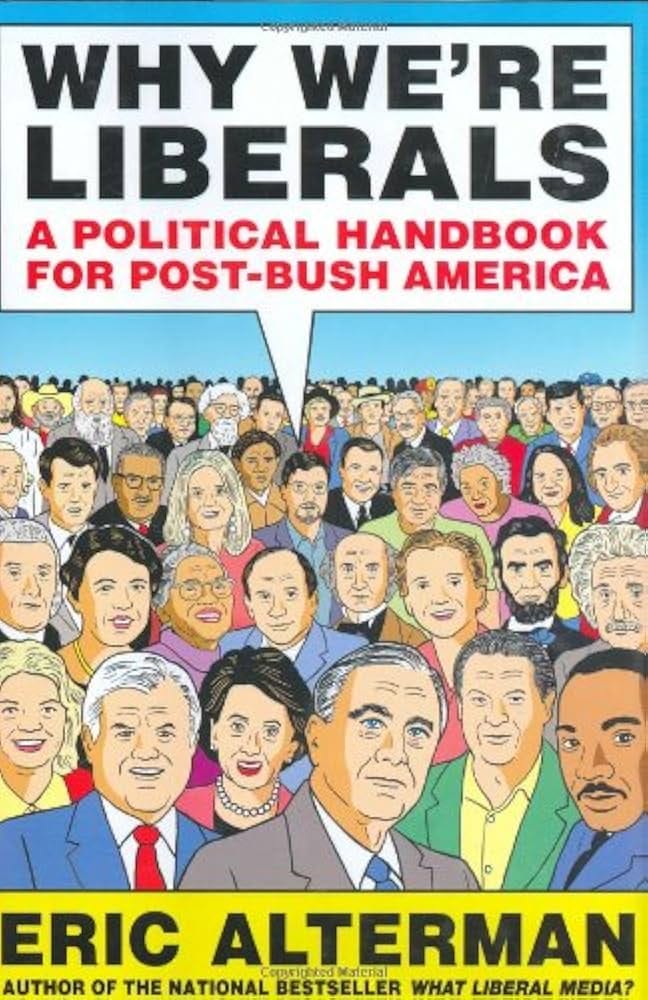

DESCRIPTION
ALTERMAN/WHY WERE LIBERALS
My Summary
Main Ideas, Takeaways & Similarities
Questions
I. What is the problem?
A. How is this problem formulated?
B. Why is this problem important?
C. What is the history of this problem?
D. Which prominent personalities have been interested in this problem?
II. What solutions to the problem are there?
A. What are the conclusions reached?
B. By what argument(s) is the conclusion reached?
C. What facts or assumptions serve as premises?
D. When a prominent personality offers a solution, does he also argue for or against other prominent personalities? Does he raise objections to alternative solutions? Does he consider objections to his own solutions?
III. Evaluation
A. What are the advantages and disadvantages of the alternative formulations to the problem?
B. Has the importance or history of the problem ever been misrepresented?
C. Are the solutions logically related to the premises?
D. Are the facts true? Are the assumptions acceptable? Are the objections answerable?
AI Summary
Highlights
“Why We’re Liberals: A Political Handbook for Post-Bush America” is a book written by Eric Alterman, published in 2008. The book presents a liberal perspective on American politics during the post-Bush era and provides a handbook for those who identify as liberals. Here is a comprehensive summary of the book in bullet points:
- The book offers a comprehensive analysis of American politics during the presidency of George W. Bush and the conservative era that preceded it.
- Eric Alterman argues that the policies and practices of the Bush administration were detrimental to the country and that it is necessary to reassert liberal values and principles in American politics.
- He outlines the core principles of liberalism, including a commitment to social justice, civil liberties, environmental protection, and economic equality.
- The book explores the historical development of liberalism in the United States, tracing its roots to progressive movements and social justice causes.
- Alterman addresses common conservative criticisms of liberalism and provides counterarguments to defend liberal values and policies.
- He discusses the role of government in addressing social and economic challenges, emphasizing the importance of effective governance and public investment.
- The book examines various policy areas, including healthcare, education, the environment, and foreign policy, and offers liberal perspectives on addressing these issues.
- Alterman discusses the role of the media in shaping political discourse and highlights the importance of a diverse and independent press.
- He emphasizes the need for grassroots activism and political engagement to advance liberal causes and achieve progressive change.
- The book also delves into the role of religion in American politics and the importance of maintaining the separation of church and state.
- Alterman addresses the challenges facing the liberal movement, including the influence of money in politics and the polarization of political discourse.
- He advocates for a renewed commitment to liberal values and principles in order to address pressing national and global challenges.
- The book provides recommendations for liberals on how to effectively communicate their ideas, engage with conservative opponents, and build a stronger political movement.
- Alterman emphasizes the importance of electoral politics and encourages liberals to participate in the democratic process to bring about change.
- The book concludes by reaffirming the core values of liberalism and its potential to shape a more just and equitable future for America.
“Why We’re Liberals” serves as a political handbook for liberals and progressives, offering a comprehensive perspective on liberal values, principles, and policy positions. Eric Alterman presents a vision of a more socially just and equitable America and encourages political engagement to achieve those goals in the post-Bush era.