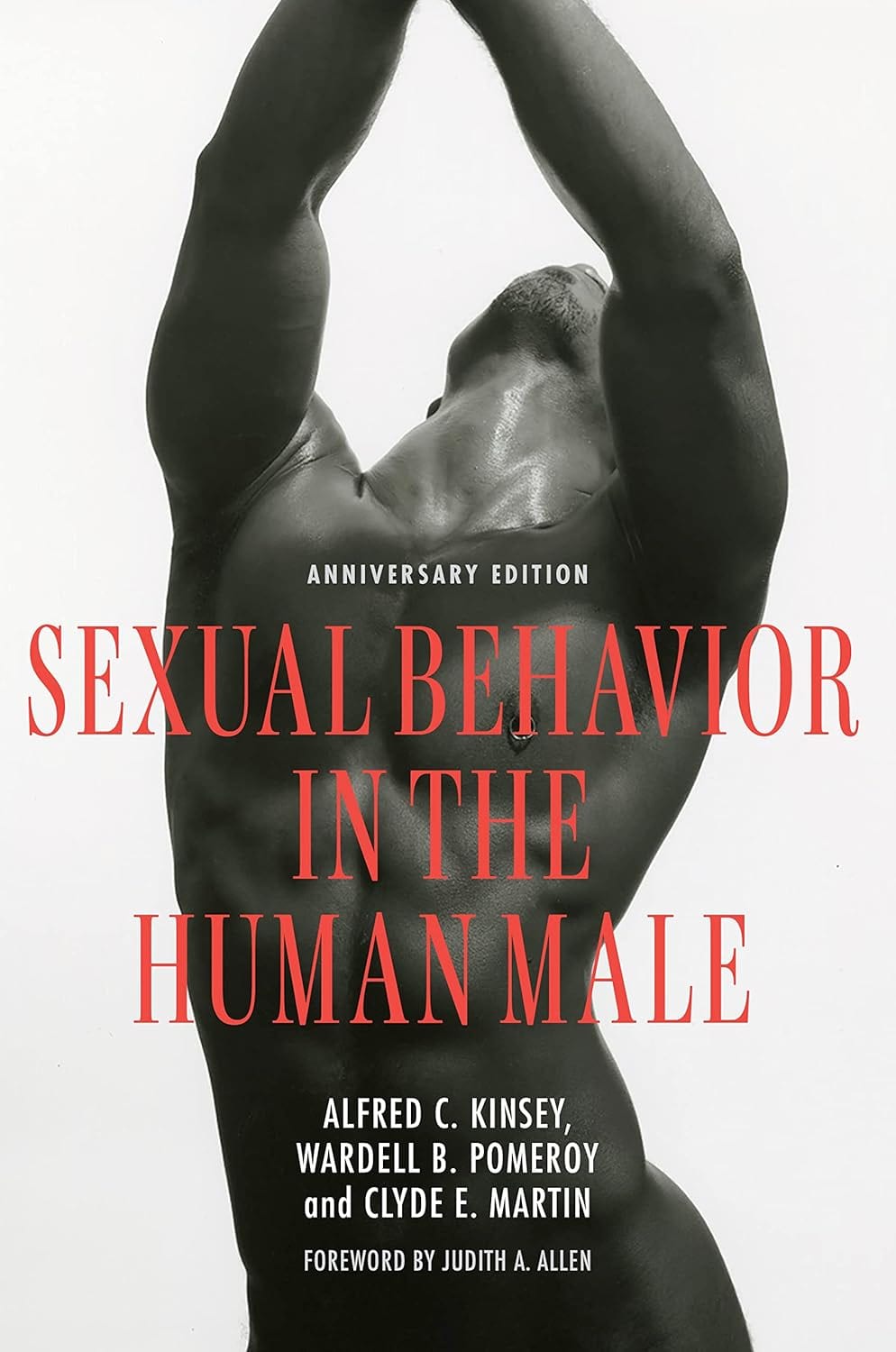

DESCRIPTION
On male sexuality
My Summary
Main Ideas, Takeaways & Similarities
Questions
I. What is the problem?
A. How is this problem formulated?
B. Why is this problem important?
C. What is the history of this problem?
D. Which prominent personalities have been interested in this problem?
II. What solutions to the problem are there?
A. What are the conclusions reached?
B. By what argument(s) is the conclusion reached?
C. What facts or assumptions serve as premises?
D. When a prominent personality offers a solution, does he also argue for or against other prominent personalities? Does he raise objections to alternative solutions? Does he consider objections to his own solutions?
III. Evaluation
A. What are the advantages and disadvantages of the alternative formulations to the problem?
B. Has the importance or history of the problem ever been misrepresented?
C. Are the solutions logically related to the premises?
D. Are the facts true? Are the assumptions acceptable? Are the objections answerable?
AI Summary
Highlights
“Sexual Behavior in the Human Male” by Alfred Kinsey is a landmark study on male sexual behavior and attitudes in mid-20th century America. It is part of the Kinsey Reports series. Here is a comprehensive summary in bullet points:
- Title: Sexual Behavior in the Human Male
- Author: Alfred Kinsey
Introduction:
- Presents the book as a pioneering scientific study of male sexual behavior.
- Emphasizes the importance of empirical data to understand human sexuality.
Chapter 1: Background and Methods:
- Describes the research methods employed in the study.
- Discusses the sample selection, interview techniques, and data collection process.
Chapter 2: Childhood and Adolescence:
- Examines sexual experiences, interests, and awareness in boys during childhood and adolescence.
- Discusses early sexual development and behavior.
Chapter 3: Masturbation:
- Analyzes the prevalence, frequency, and patterns of male masturbation.
- Discusses attitudes toward self-stimulation.
Chapter 4: Petting:
- Explores the practices of petting, including kissing, fondling, and genital contact.
- Provides data on the frequency and progression of petting behaviors.
Chapter 5: Pre-Marital Heterosexual Relations:
- Examines sexual experiences and attitudes of unmarried men.
- Discusses premarital sexual intercourse, contraception, and factors influencing sexual behavior.
Chapter 6: Extra-Marital Heterosexual Relations:
- Investigates the prevalence and motivations behind extramarital affairs among men.
- Discusses marital dissatisfaction and infidelity.
Chapter 7: Homosexual Behavior:
- Provides data on same-sex sexual experiences among men.
- Discusses the diversity of homosexual behaviors and attitudes.
Chapter 8: Orgasm and Physiological Responses:
- Presents data on male orgasms and physiological responses during sexual activity.
- Discusses factors influencing the likelihood of orgasm.
Chapter 9: Factors in Sexual Development:
- Analyzes the societal, familial, and educational factors shaping male sexual development.
- Discusses the role of religion and sexual education.
Chapter 10: Factors in Marital Relations:
- Explores the dynamics of marital relationships and their impact on male sexual behavior.
- Discusses marital satisfaction, communication, and sexual compatibility.
Chapter 11: Factors in Extra-Marital Relations:
- Examines the role of social and psychological factors in extramarital affairs.
- Discusses the influence of opportunity and desire.
Chapter 12: Factors in Homosexual Behavior:
- Investigates the factors influencing homosexual behaviors and identity.
- Discusses the societal and familial influences on homosexual experiences.
Chapter 13: Factors in Variations from Normal:
- Examines various sexual behaviors and fetishes considered outside societal norms.
- Discusses sadomasochism, exhibitionism, and unconventional practices.
Chapter 14: Summary and Conclusions:
- Summarizes the key findings of the study regarding male sexual behavior.
- Reflects on the implications of the research for understanding human sexuality.
Legacy:
- “Sexual Behavior in the Human Male” was groundbreaking in its systematic and scientific approach to studying human sexuality.
- The Kinsey Reports, including this book, played a pivotal role in opening up discussions about sexual behavior and challenging societal taboos.
- The book had a profound impact on the field of sexology and subsequent research on human sexuality.