Filed with Politics MOC · Related: Ideology & Foundations · 60.10 Argumentation
Cultural Superiority
- It’s wrong to denigrate another people of another race/society in an indiscriminate fashion and then assuming any member of that race/society shares in whatever bad qualities you attributed to it. That I regard as ugly and aberrant.
- What isn’t racist is making discriminate judgements about another culture and saying, “In this respect, I think this culture is scientifically or medically or morally inferior”
- This is the same of looking back at your own culture and regarding our current culture superior to the past.
- Regarding “Progressive culture” as superior to Christian fundamentalism culture
- Not racist provided you’re not indiscriminately rubbishing another culture
- As well as seeing people as naturally or biologically inferior
West vs Middle East on Human Rights
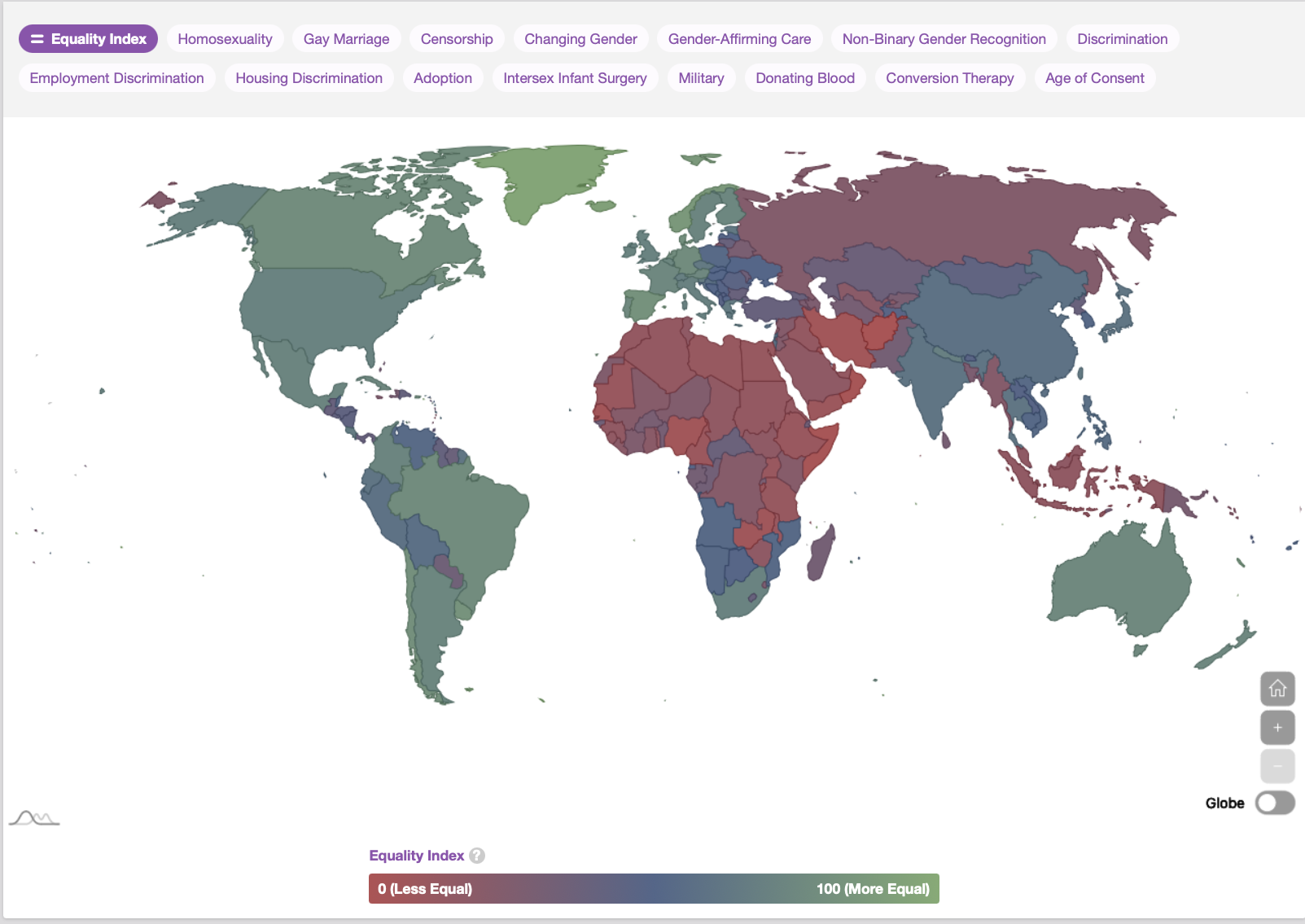
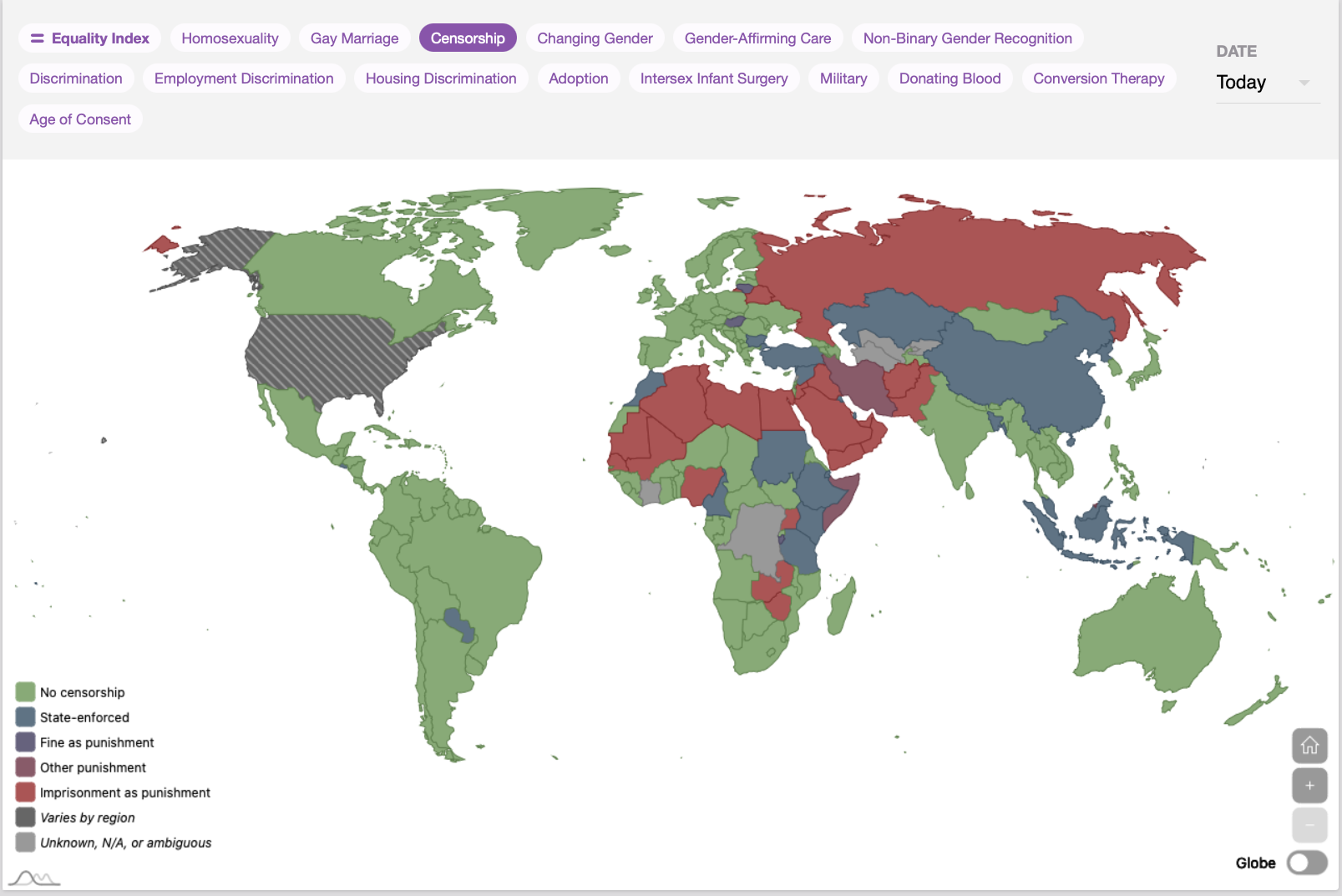
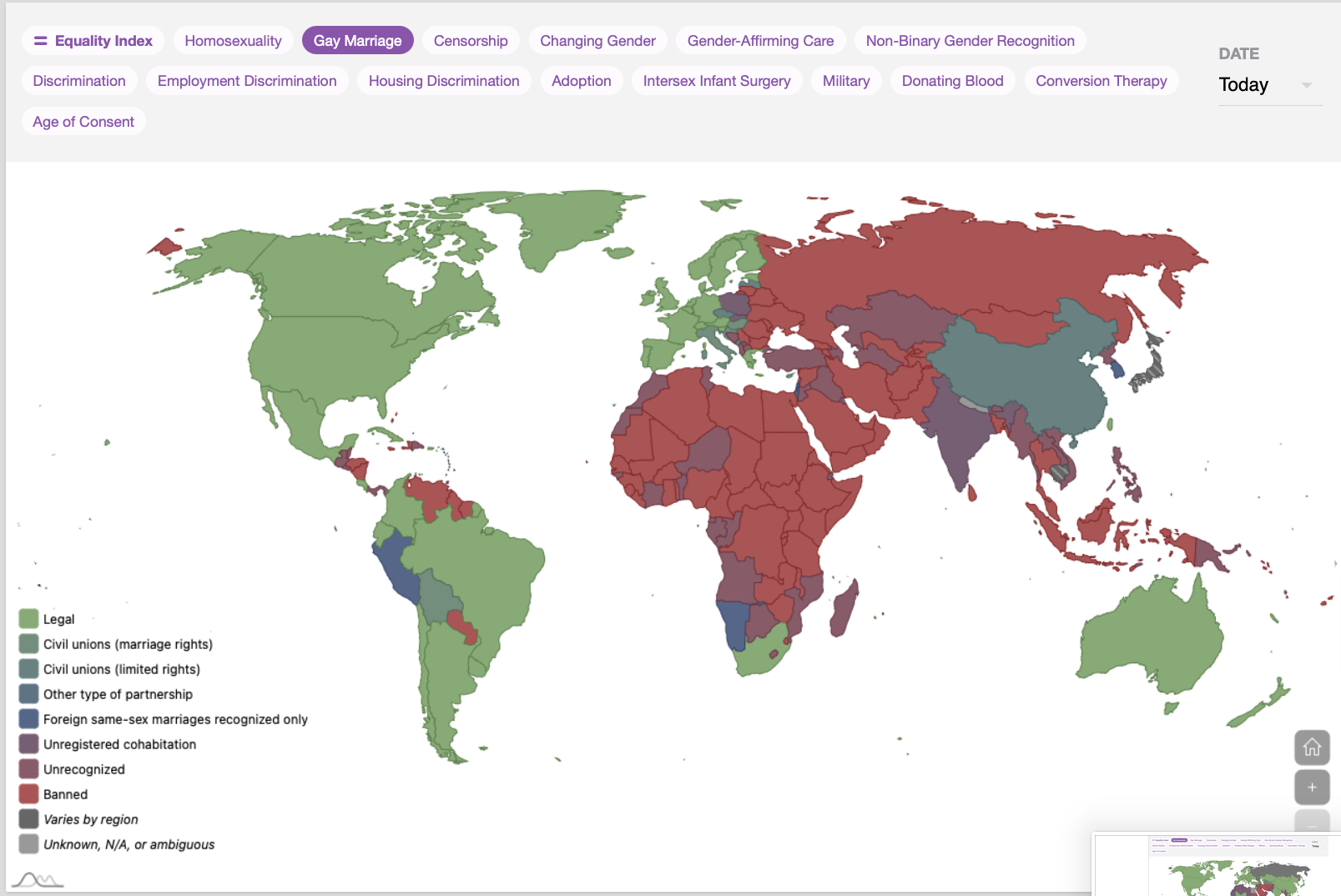
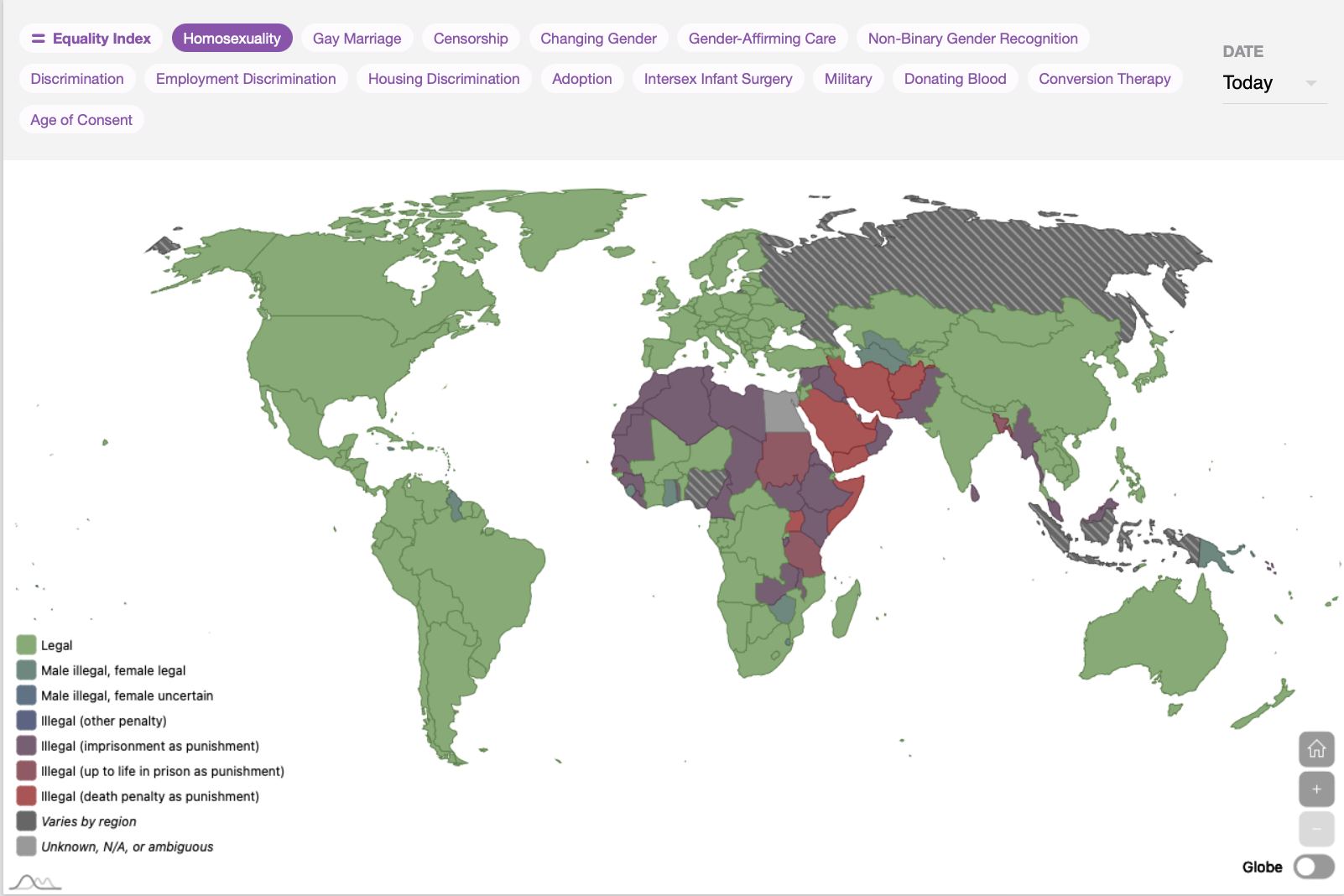
Homosexuality
| Century/Category | Iran | Saudi Arabia | Yemen | Iraq | Turkey | Egypt | Afghanistan |
|---|---|---|---|---|---|---|---|
| 15th - 17th Century | Safavid Dynasty (1501-1736) - Sharia law, harsh punishments for homosexuality - Homosexuality severely punished | Tribal rule - Sharia law governs - Homosexuality treated as a criminal offense with severe punishments | Zaydi Imamate - Homosexuality punished under Sharia - Limited records on specific enforcement | Ottoman Empire - Homosexuality punished under Sharia law - No formal legal structure for protection | Ottoman Empire - Homosexuality generally punished under Sharia law - Not socially accepted | Mamluk Sultanate - Sharia law dictates harsh punishment for homosexuality | Timurid Dynasty, Tribal Rule - Sharia law governs - Homosexuality severely punished |
| 18th Century | Qajar Dynasty - Homosexuality punished under Sharia - Severe penalties, including execution | Al Saud Clan (rise in power) - Sharia law enforced - Homosexuality viewed as a crime with harsh punishments | Zaydi Imamate - Sharia law governs - Severe punishment for homosexuality | Ottoman Rule - Homosexuality criminalized under Sharia law | Late Ottoman Empire - Homosexuality criminalized - Sharia law punishments still enforced | Ottoman Rule - Homosexuality punishable by death under Sharia law | Durrani Empire - Homosexuality criminalized and punished under Sharia law |
| 19th Century | Qajar Dynasty - Homosexuality continued to be harshly punished under Sharia law | Wahhabi Saudi Arabia - Sharia law dictates harsh punishment, including execution, for homosexuality | Zaydi Imamate - Sharia law continues to govern homosexuality | Ottoman Rule (Tanzimat reforms) - Homosexuality remains a crime but less focus on enforcement | Late Ottoman Empire - Homosexuality decriminalized in 1858 - Shift towards secular law under Tanzimat reforms | British Influence, Monarchy - Islamic law continues to influence criminalization of homosexuality | British Influence - Homosexuality criminalized, but enforcement focused in urban areas |
| Early 20th Century (1900-1950) | Pahlavi Dynasty - Modernization efforts, but no formal protection for homosexuality - Criminalized under Sharia | Kingdom of Saudi Arabia (1932) - Homosexuality remains punishable by death | North Yemen under Imamate, South Yemen British rule - Homosexuality criminalized under Sharia and local laws | Hashemite Monarchy (1921) - Homosexuality remains criminalized under Islamic law | Republic of Turkey (1923) - Homosexuality remains decriminalized but not socially accepted | British Protectorate, Kingdom (1922) - Homosexuality remains criminalized, heavily policed | Monarchy under Amanullah Khan - Homosexuality criminalized under Sharia law |
| Mid 20th Century (1950-2000) | Islamic Revolution (1979) - Homosexuality punishable by death under Sharia law - Strict enforcement | Conservative Kingdom - Sharia law continues - Homosexuality remains punishable by death | North Yemen Republic (1962), South Yemen Socialist (1967) - Homosexuality remains criminalized, Sharia enforced | Ba’athist Iraq under Saddam Hussein - Homosexuality criminalized but less emphasis - Increased persecution post-1990s | Secular Republic - Homosexuality not criminalized - Social and cultural discrimination prevalent | Military Rule (1952-) - Homosexuality criminalized, with public morality laws targeting LGBTQ+ individuals | Soviet Invasion (1979), Mujahideen rule - Homosexuality criminalized under Sharia - Severe punishments under Mujahideen |
| 21st Century (2000-present) | Islamic Republic - Homosexuality remains punishable by death - Strict enforcement, widespread persecution | Absolute Monarchy - Homosexuality remains punishable by death - Strict enforcement, limited public discussion | Civil War (2015-present) - Homosexuality remains a criminal offense - Severe penalties due to Sharia law enforcement | Post-Saddam Iraq - Homosexuality remains criminalized - Violent persecution by both state and militias | Secular Republic - Homosexuality remains legal - Cultural and social discrimination remain widespread | Authoritarian Rule under Sisi - Homosexuality not explicitly illegal, but targeted under morality laws - LGBTQ+ arrests common | Taliban Rule (2021-present) - Homosexuality punishable by death - Strict enforcement of Sharia law, severe persecution |
Enlightenment vs Islamic Law
Islamic law (Sharia) and Enlightenment thought differ significantly on key issues such as property rights, contracts, personal status, and individualism. These differences stem from their distinct philosophical and legal frameworks—Sharia being a religious system rooted in Islamic teachings, while Enlightenment thought is secular, emphasizing reason, individual autonomy, and universal principles of justice.
1. Property Rights
Islamic Law (Sharia)
• Divine ownership: In Islamic thought, all property ultimately belongs to God. Individuals are seen as trustees or stewards of wealth, with moral obligations on how they use and manage it. Ownership is allowed, but it is not absolute in a secular sense.
• Inheritance laws: Islamic inheritance rules are explicitly laid out in the Qur’an. These rules dictate strict shares for family members, including both male and female relatives, though male heirs typically receive larger shares than females (a son gets twice as much as a daughter). This system reflects a collectivist and familial approach to property distribution.
• Social responsibility: Property rights in Islam are tied to social justice. For example, wealth is subject to zakat (a mandatory charitable giving), ensuring that wealth serves both individual needs and broader community welfare.
• Contracts and trade: Islamic law encourages commerce and property ownership but prohibits activities deemed exploitative or unethical (e.g., riba or interest). Contracts must be fair and just, with both parties fulfilling their moral and legal obligations.
Enlightenment Thought
• Secular and individual ownership: Enlightenment thinkers, such as John Locke, emphasized the individual’s right to property, arguing that private property is an extension of a person’s labor. Locke famously stated that individuals have the right to “life, liberty, and property,” and these rights are protected by the government.
• Property as a natural right: In contrast to Sharia’s divine ownership model, Enlightenment philosophers viewed property as a natural right that exists independent of religious authority. The state’s role is to protect this right, not to redistribute wealth or mandate charity.
• Inheritance: Enlightenment thought allows for greater freedom in determining how property is distributed upon death, with the individual deciding the terms of inheritance. This contrasts with Islamic law, which prescribes fixed shares for family members.
• Social contract: While Enlightenment ideas support individual property rights, they also incorporate the idea of a social contract, whereby individuals agree to limits on their rights (through taxation or law) to benefit the broader society.
2. Contracts
Islamic Law (Sharia)
• Moral and ethical obligations: Contracts in Islamic law are governed not only by legal principles but also by moral and religious obligations. A contract is valid as long as it does not violate Islamic principles (e.g., contracts involving interest or gambling are forbidden). Contracts are meant to be transparent, just, and fair to both parties, reflecting the ethical values of Islam.
• Mutual consent: Contracts are only valid with the mutual consent of all parties involved. The Qur’an encourages honesty and transparency in dealings and requires that contracts be clear and documented to avoid disputes.
• Types of contracts: Islamic contracts must comply with specific requirements, such as Mudarabah (profit-sharing) or Musharakah (joint venture), which avoid the use of interest (riba). Additionally, contracts that cause harm or involve exploitation are considered void.
Enlightenment Thought
• Secular and legal approach: Contracts in Enlightenment thought are seen as legal agreements between free individuals, independent of religious or moral obligations. The focus is on the rights and duties of the individuals entering into the contract, and the state’s role is to enforce these contracts.
• Freedom of contract: Enlightenment thinkers, especially those like Adam Smith and John Locke, emphasized the freedom of individuals to make contracts without interference, as long as both parties freely consent and the terms are just.
• Equality before the law: Contracts are grounded in the principle of equality, where individuals, regardless of their status, have the same rights to enter into agreements. This contrasts with Islamic law’s consideration of religious or familial obligations.
3. Personal Status (Marriage, Family, Gender)
Islamic Law (Sharia)
• Gender roles: Islamic law reflects distinct gender roles based on the Qur’an and Hadith. Men are generally considered the heads of households with greater rights in terms of inheritance, divorce, and financial responsibility. However, women also have specific rights, such as the right to inherit, own property, and receive mahr (a dowry from their husband).
• Marriage and divorce: In Islamic law, marriage is seen as a contract with specific duties for both the husband and wife. Men have the right to initiate divorce more easily than women, though women can seek divorce under certain conditions (khula).
• Polygamy: Islamic law allows men to have up to four wives under strict conditions, reflecting a more communal and family-oriented approach to personal status, contrasting with Enlightenment ideas of monogamous marriage.
Enlightenment Thought
• Gender equality: Enlightenment thought began to introduce the idea of gender equality. Although the movement was not uniformly progressive regarding women’s rights, it laid the groundwork for later movements advocating for equal rights in marriage, inheritance, and personal status.
• Marriage as partnership: Marriage, according to Enlightenment principles, increasingly came to be seen as a partnership of equals, particularly in the 19th and 20th centuries, with mutual rights and responsibilities rather than distinct gendered roles.
• Monogamy and divorce: Enlightenment thinkers, particularly in secular democracies, endorsed monogamy, and over time, divorce became more accessible, particularly as women’s rights advanced in the 19th and 20th centuries. Divorce laws became more egalitarian, allowing both men and women to initiate and dissolve marriages based on personal autonomy.
4. Individualism
Islamic Law (Sharia)
• Collectivism over individualism: Islamic law places a greater emphasis on the community (ummah) and family rather than the individual. Rights are often framed within the context of one’s obligations to family, society, and God, rather than as purely personal or individual entitlements.
• Moral duty and social order: Islamic law envisions a harmonious society where individuals live according to divinely ordained rules. These rules ensure that people’s actions benefit the community and align with Islamic ethics. The individual’s rights and freedoms are often subject to the greater needs of the family or community.
Enlightenment Thought
• Radical individualism: The Enlightenment celebrated individual autonomy and placed the individual at the center of philosophical and political thought. Thinkers like Rousseau and Locke argued that the state’s role was to protect the rights of individuals, rather than enforce a collective morality.
• Freedom of choice: Enlightenment thinkers emphasized the freedom of individuals to make choices about their own lives, whether in matters of property, marriage, or religion. This belief in personal liberty was seen as a fundamental right that governments should protect.
• Secularism: Unlike Islamic law, Enlightenment thought advocates for a separation of religion and state. Individual rights are considered universal and not dependent on religious adherence, in contrast to the religious-based rights found in Islamic law.
Summary
| Aspect | Islamic Law (Sharia) | Enlightenment Thought |
|---|---|---|
| Property Rights | Property owned by individuals but ultimately viewed as God’s, with moral obligations. | Property is an inherent individual right, protected by secular law. |
| Contracts | Governed by both legal and religious principles, must comply with Sharia and avoid riba. | Secular agreements between individuals, with freedom to contract as desired. |
| Personal Status | Gender-specific rights and obligations, with a focus on family and community structure. | Increasing emphasis on gender equality and personal autonomy in marriage and family. |
| Individualism | Rights framed within communal and religious obligations. | Radical individualism, emphasizing personal autonomy and secular governance. |
In summary, Islamic law emphasizes a collectivist and religious-based approach to rights, particularly in property, contracts, and personal status, with an overarching focus on maintaining social harmony and moral duties. In contrast, Enlightenment thought is centered on individual autonomy, secular governance, and the protection of universal rights independent of religious law.
Enlightenment Thought not Present in Islamic Law
The Enlightenment introduced several key concepts of rights that either were not present in Islamic law (Sharia) or were approached in fundamentally different ways. The Enlightenment emphasized individual autonomy, secular governance, and universal human rights, which contrasts with the communal, religious, and moral focus of Islamic law. Below are the rights that the Enlightenment considered, but which are not central or fully recognized in Islamic law:
1. Freedom of Religion
• Enlightenment: Thinkers like Voltaire and John Locke emphasized the right of individuals to practice any religion or no religion at all, without interference from the state. This led to the development of secularism, where government and religion are separate, and the right to change or reject religion is protected.
• Islamic Law: While Islamic law does allow for the protection of religious minorities (e.g., Christians and Jews, who are regarded as “People of the Book”), it does not generally endorse the right to change one’s religion (apostasy is typically punishable by death in traditional Sharia). Sharia places Islam as the dominant faith, and freedom to convert from Islam is not granted.
2. Freedom of Speech and Expression
• Enlightenment: The right to free speech and expression, even when critical of religion or government, was a cornerstone of Enlightenment thought. Thinkers like Voltaire advocated for the right to criticize authority, including religious institutions, without fear of punishment.
• Islamic Law: In Islamic law, freedom of speech is limited by religious boundaries. Speech that is considered blasphemous, disrespectful to religious authorities, or harmful to the moral order is often prohibited. Criticism of Islam or the Prophet Muhammad can be punishable by severe penalties, including death in some interpretations of Sharia.
3. Separation of Church (Religion) and State
• Enlightenment: The concept of separating religion from governance is a key principle of Enlightenment thinking, particularly advocated by thinkers like John Locke and Thomas Jefferson. The state should not impose religious beliefs on its citizens, and laws should be based on reason rather than religious doctrines.
• Islamic Law: Sharia is fundamentally a religious legal system, where religious authority is intertwined with the state. In an Islamic system, laws are derived from the Qur’an and Hadith, making it impossible to separate religious principles from governance. Islamic law is not designed to function independently of religious authority.
4. Equality Before the Law (Irrespective of Religion, Gender, or Social Status)
• Enlightenment: Enlightenment thinkers promoted the idea of legal equality, where all individuals should have the same rights and protections under the law, regardless of religion, gender, or social status. This paved the way for universal human rights and gender equality.
• Islamic Law: Sharia distinguishes between Muslims and non-Muslims, men and women, and even slaves and free people. For example, in matters of inheritance, a woman typically receives half the share of a man, and non-Muslims (dhimmis) are granted protection but do not have equal status with Muslims. Thus, legal equality as understood in the Enlightenment does not fully align with Sharia’s treatment of different groups.
5. Gender Equality
• Enlightenment: The Enlightenment laid the intellectual groundwork for the concept of gender equality, though the actual movement for women’s rights gained momentum in the 19th and 20th centuries. Thinkers like Mary Wollstonecraft began to argue for women’s education, legal rights, and participation in public life on an equal footing with men.
• Islamic Law: While women have specific rights in Islamic law, such as inheritance, property ownership, and divorce, these rights are not equal to those of men. For instance, in many interpretations of Sharia, women have fewer legal rights in divorce, testimony, and inheritance. The emphasis in Sharia is on complementary roles rather than gender equality as envisioned by the Enlightenment.
6. Right to Personal Autonomy (Individualism)
• Enlightenment: A key focus of Enlightenment philosophy is the autonomy of the individual. Individuals are seen as having the inherent right to make decisions about their own lives, including their beliefs, profession, marriage, and property. Enlightenment thinkers, particularly Rousseau, emphasized that the individual’s freedom was paramount and that personal liberties should only be limited by the need to respect others’ rights.
• Islamic Law: Sharia places a greater emphasis on communal responsibilities and religious duties over individual autonomy. While individuals do have rights under Islamic law, these rights are often subordinated to family obligations, religious duties, and the broader social and moral order. Individualism, as conceived by the Enlightenment, is less central in Islamic law, where moral and social obligations take precedence.
7. Freedom from Arbitrary Authority (Government Accountability)
• Enlightenment: Thinkers like John Locke and Montesquieu argued that governments should derive their authority from the consent of the governed and be accountable to the people. They introduced the concept of checks and balances to prevent tyranny and ensure that no authority was above the law.
• Islamic Law: In a traditional Islamic legal system, rulers are expected to govern justly according to Sharia, but the system does not necessarily require democratic consent or accountability to the people in the way the Enlightenment envisioned. The ruler’s legitimacy often derives from their adherence to Islamic law, and while justice is emphasized, the mechanisms of accountability are different from Enlightenment ideals of democratic governance.
8. Freedom of Association and Assembly
• Enlightenment: The right of individuals to form groups, protest, and assemble for political or social purposes without government interference was a key right in the Enlightenment, fostering the development of democratic societies and political activism.
• Islamic Law: While Islamic law allows for community gatherings, especially for religious purposes, freedom of assembly for political dissent or opposition to the ruling authority can be limited. In many historical and modern Islamic states, political gatherings, especially those against the government or religious authorities, may be restricted.
9. Right to Political Participation (Democracy)
• Enlightenment: A major product of Enlightenment thought was the idea that individuals should have the right to participate in their own governance, particularly through voting and representative democracy. The notion of government as a social contract between the rulers and the people emphasized that rulers must be chosen by and accountable to the citizens.
• Islamic Law: Traditional Islamic governance does not involve democratic elections in the Enlightenment sense. Rulers are often seen as legitimate by virtue of their adherence to Islamic law, and there is less emphasis on political participation or voting. In some modern Islamic countries, there have been attempts to integrate democratic practices with Islamic law, but historically, Sharia-based governance does not prioritize individual political participation.
Summary
| Right | Enlightenment View | Islamic Law (Sharia) View |
|---|---|---|
| Freedom of Religion | Individuals have the right to choose and change their religion. | Islam is prioritized; apostasy is not tolerated, and conversion from Islam is punishable. |
| Freedom of Speech | Individuals can criticize government and religion freely. | Speech against Islam, the Prophet, or religious authorities is punishable. |
| Separation of Church and State | Religion and government should be separate; secular law should govern. | Religious law (Sharia) governs both private and public life; religion and state are unified. |
| Equality Before the Law | All individuals are equal under the law, regardless of gender, religion, or social status. | Sharia distinguishes between Muslims and non-Muslims, men and women, with different legal rights. |
| Gender Equality | Men and women should have equal rights and opportunities in all areas. | Sharia emphasizes different roles for men and women, with unequal rights in inheritance, divorce, etc. |
| Individual Autonomy | Individuals have the right to make decisions about their own lives without external interference. | Individual rights are framed within communal and religious obligations. |
| Government Accountability | Governments should be accountable to the people and require consent from the governed. | Rulers are accountable to God and Sharia, not necessarily to the people through democratic means. |
| Freedom of Association | Individuals have the right to form groups and protest freely. | Political gatherings or dissent against religious authorities or rulers may be restricted. |
| Right to Political Participation | Citizens should have the right to vote and participate in their governance. | Political participation in the form of voting is not historically a part of Islamic governance. |
In conclusion, Enlightenment thought expanded the concept of individual rights, introducing freedom of religion, speech, gender equality, and political participation, which are either absent or significantly more restricted in Islamic law due to its focus on religious authority, communal obligations, and
Timeline
| Category | Western Countries (Europe & North America) | Middle Eastern Countries (Iran, Afghanistan, Turkey, Saudi Arabia, Egypt, etc.) |
|---|---|---|
| Historical Context (1720s-1900s) | - Enlightenment thinkers (Locke, Rousseau) shape ideas of democracy, individual rights. - Rise of constitutional governments (e.g., U.S. Constitution, French Revolution). - Emphasis on secularism, legal equality. | - Many Middle Eastern countries were under Ottoman, Safavid, or Qajar rule. - Systems often based on Islamic law (Sharia). - Strong monarchies, less focus on individual liberties. |
| Individual Liberties (1700s-1900s) | - Emergence of liberal democracy in Europe and America. - Civil liberties codified in legal systems (e.g., Bill of Rights). - Limited monarchies. | - Autocratic rule persisted in many regions (e.g., Safavid, Ottoman Empires). - Laws based on Islamic principles governed daily life. - Limited codification of individual rights. |
| Freedom of Speech (1700s-1900s) | - Progress in free speech through constitutional frameworks. - Censorship in some regions, but gradually liberalized (19th-century). | - Strict censorship, especially in monarchies and theocratic systems (Ottoman, Qajar, Safavid). - Press largely controlled by the state or religious authorities. |
| Gender Rights (1700s-1900s) | - Slow progress toward gender equality (e.g., suffrage movements in the 19th/early 20th century). - Women’s rights limited but expanding. | - Islamic law influenced gender roles, with women’s rights restricted in many areas. - Public life heavily male-dominated. |
| Religious Freedom (1700s-1900s) | - Secularism grows with the separation of church and state in many Western countries (e.g., France, U.S.). - Greater religious diversity and tolerance. | - Predominantly Islamic societies; religious minorities often subject to varying levels of tolerance or persecution. - Sharia law affected non-Muslim communities. |
| Legal Systems (1700s-1900s) | - Development of constitutional laws (e.g., U.S., UK) and civil liberties protected by courts. - Laws increasingly independent from religion. | - Legal systems closely tied to Islamic law (Sharia) in many countries. - Some legal reforms under Ottoman Tanzimat (1839-1876), but Sharia remained influential. |
| Individual Liberties (20th century) | - Expansion of civil rights post-WWII (e.g., civil rights movements, labor rights, LGBTQ+ rights). - Full democratization in most Western nations. | - Rise of authoritarian regimes in many Middle Eastern nations (e.g., Ba’athism, monarchy). - Limited focus on individual liberties. |
| Freedom of Speech (20th century) | - Broadening of free speech protections, though still contested (e.g., McCarthyism in the U.S.). - Rise of independent media, less state control. | - Freedom of speech heavily restricted, especially under authoritarian regimes (e.g., Saddam Hussein in Iraq, Iran post-1979). - Strict censorship laws. |
| Gender Rights (20th century) | - Major strides in women’s rights: suffrage (early 1900s), workplace rights, reproductive rights (mid-1900s). | - Some reforms (e.g., Turkey under Atatürk, Iran before 1979). - Strict patriarchal systems persist in countries like Saudi Arabia, Iran post-1979. |
| Religious Freedom (20th century) | - Religious pluralism increases, driven by secular democracies. - Minority religions more protected under law (e.g., Jewish, Islamic communities in the West). | - Rise of Islamic fundamentalism in some countries (e.g., Iran, Afghanistan). - Non-Muslims face more restrictions and persecution in certain areas. |
| Legal Systems (20th century) | - Expansion of human rights protections globally (e.g., UN Declaration of Human Rights, 1948). - Full secularization of legal systems in Western countries. | - Some countries attempted secular legal reforms (e.g., Turkey, Egypt). - Others maintained Sharia-based legal systems (e.g., Iran, Saudi Arabia). |
| Individual Liberties (21st century) | - Continued expansion of personal freedoms and human rights (e.g., LGBTQ+ rights, gender equality). - Social justice movements gain influence. | - Autocratic regimes and religious governance (e.g., Iran, Saudi Arabia) limit personal freedoms. - Some reforms in places like Egypt and Jordan. |
| Freedom of Speech (21st century) | - Strong free speech protections enshrined in most democratic systems. - Rise of digital freedom but also concerns about misinformation. | - Heavy censorship in most Middle Eastern countries (e.g., Iran, Saudi Arabia, Egypt). - Social media often heavily regulated. |
| Gender Rights (21st century) | - Women’s rights largely secured in most Western countries (e.g., workplace equality, reproductive rights). - Gender identity increasingly recognized. | - Limited women’s rights persist in countries like Saudi Arabia and Afghanistan (especially post-Taliban takeover). - Reforms in Turkey, Jordan. |
| Religious Freedom (21st century) | - Broad religious freedom, with legal protection for minority religions and growing acceptance of non-religious people. | - Sharia law remains dominant in countries like Saudi Arabia, Iran, affecting non-Muslims. - Sectarian conflicts affect religious freedoms in some regions. |
| Legal Systems (21st century) | - Constitutional rule of law and protections for civil liberties. - Continued secular legal frameworks in Western democracies. | - Many countries maintain some form of Sharia-based law (e.g., Saudi Arabia, Iran). - Others (e.g., Turkey, Egypt) use mixed legal systems. |
| Century/Category | Iran | Saudi Arabia | Yemen | Iraq | Turkey | Egypt | Afghanistan |
|---|---|---|---|---|---|---|---|
| 15th - 17th Century | Safavid Dynasty (1501-1736) - Shia Islam as state religion - Strict religious rule - Limited rights for religious minorities and women | Tribal rule - Islamic law (Sharia) dominant in tribes - Limited centralization - Restricted women’s rights and religious freedoms | Rasulid Sultanate, Zaydi Imamate - Zaydi Islam dominant - Tribal governance - Limited personal freedoms | Ottoman Empire - Sunni Islam as official religion - Limited individual rights, especially for non-Muslims | Ottoman Empire - Sharia law governs - Strong sultanate, little focus on individual liberties | Mamluk Sultanate/Fall to Ottomans - Islamic law - Rights severely limited, focus on ruling elite | Timurid Dynasty, Tribal Rule - Islamic law dominant - Rights for women and religious minorities restricted |
| 18th Century | Safavid decline, rise of Qajar Dynasty - Continued Shia dominance - Social stratification, tribal conflicts | Al Saud Clan (rise in power) - Sharia law enforced in regions under Saudi control - Strict tribal customs enforced | Zaydi Imamate continues - Zaydi influence grows - Little emphasis on individual freedoms, tribal control | Ottoman Rule continues - Limited freedoms for non-Muslims - Rights highly tied to Islamic law and status | Ottoman Empire reforms begin - Tanzimat reforms (1839-1876) start addressing liberties but still limited to elites | Ottoman Rule - Elite ruling class retains power - Islamic law enforced, little focus on women’s rights or personal freedoms | Durrani Empire - Islamic traditions dominate - Little advancement in individual rights |
| 19th Century | Qajar Dynasty (1796-1925) - Sharia law enforced - Western influence begins but liberties limited to elite | Rise of Wahhabism under Saudi leadership - Strict Sharia-based governance - Women’s and non-Muslim rights almost non-existent | Zaydi Imamate continues - Limited progress on individual liberties - Tribal governance strong | Ottoman reforms under Tanzimat - Limited modernization - Centralized authority grows | Late Ottoman Empire - Tanzimat reforms introduce some legal modernization, but Sharia remains influential | British Influence, Monarchy (after 1882) - Sharia and British law in tension - Gradual modernization of legal system | British Influence - Tribal and Islamic law dominate rural areas - Limited legal reforms |
| Early 20th Century (1900-1950) | Pahlavi Dynasty (1925-1979) - Modernization, secularization under Reza Shah - Women’s rights expanded - Oppression of dissent | Kingdom of Saudi Arabia (1932) - Sharia enforced as legal system - Little to no religious or gender freedoms | North Yemen under Imamate, South Yemen British rule - Tribal governance, limited legal reforms, Sharia dominant | Hashemite Monarchy (1921) - Some reforms under British mandate - Sharia remains influential but secular governance grows | Republic of Turkey (1923) - Major secular reforms under Atatürk - Islamic law abolished in favor of Western legal systems | British Protectorate, Kingdom (1922) - Nationalist movements arise - Some legal reforms but Islamic law remains significant | Monarchy under Amanullah Khan - Reforms attempted (women’s rights, education) but met with resistance - Sharia dominates |
| Mid 20th Century (1950-2000) | Islamic Revolution (1979) - Sharia law becomes dominant again - Strict control of women’s rights, religious freedoms limited | Conservative Kingdom - Strict Sharia law continues - Very limited women’s rights, religious minorities face severe persecution | North Yemen Republic (1962), South Yemen Socialist (1967) - Conflicting governance systems - Socialism introduces limited reforms | Ba’athist Iraq under Saddam Hussein (1979) - Repressive regime - Sharia law less emphasized but authoritarianism suppresses freedoms | Secular Republic - Secularization continues under military regimes - Religious freedom and gender rights increase but military control persists | Military Rule (1952-) - Some modernization - Islamic law remains influential in personal matters - Women’s rights limited but improving | Soviet Invasion (1979), Mujahideen rule - Fragmented control - Sharia law dominant, women’s rights curtailed severely |
| 21st Century (2000-present) | Islamic Republic - Sharia law governs - Strict controls on women’s rights, freedom of speech, religious practice - Suppression of dissent | Absolute Monarchy - Women’s rights slowly improving (e.g., driving) but still limited - Sharia law dominant | Civil War (2015-present) - Fragmented control, varying degrees of Sharia enforcement - Severe limitations on freedoms due to conflict | Post-Saddam Iraq - Some progress in freedoms but sectarian violence hinders rights - Sharia influences legal system | Secular Republic - Increasing authoritarianism under Erdogan - Decline in free speech and women’s rights, especially post-2016 coup | Authoritarian Rule under Sisi - Repression of dissent - Some gender and religious freedoms but Islamic law still influences personal matters | Taliban Rule (2021-present) - Strict Sharia law reinstated - Severe restrictions on women’s rights and freedoms, religious minorities persecuted |
Middle East Society
Maps
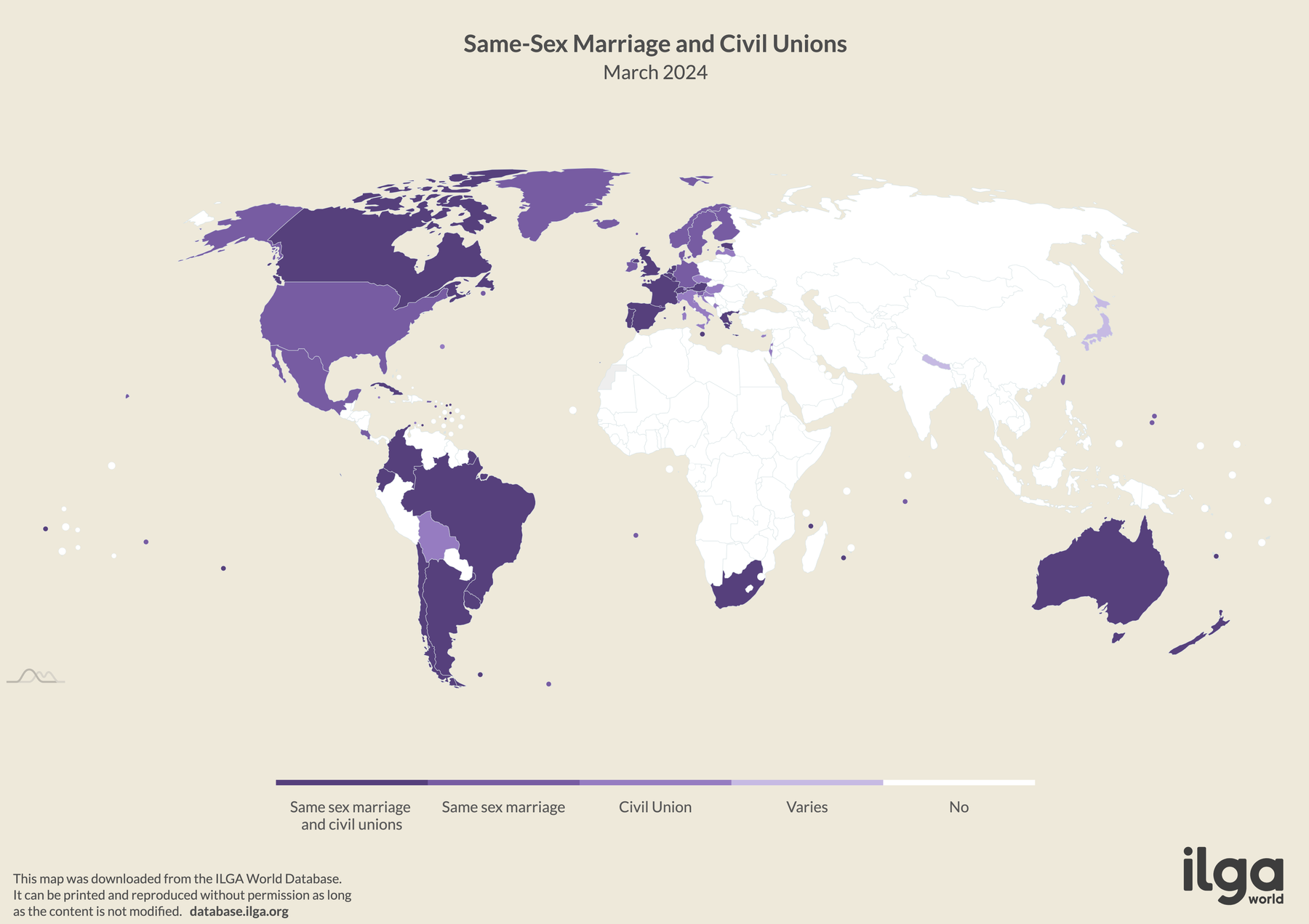
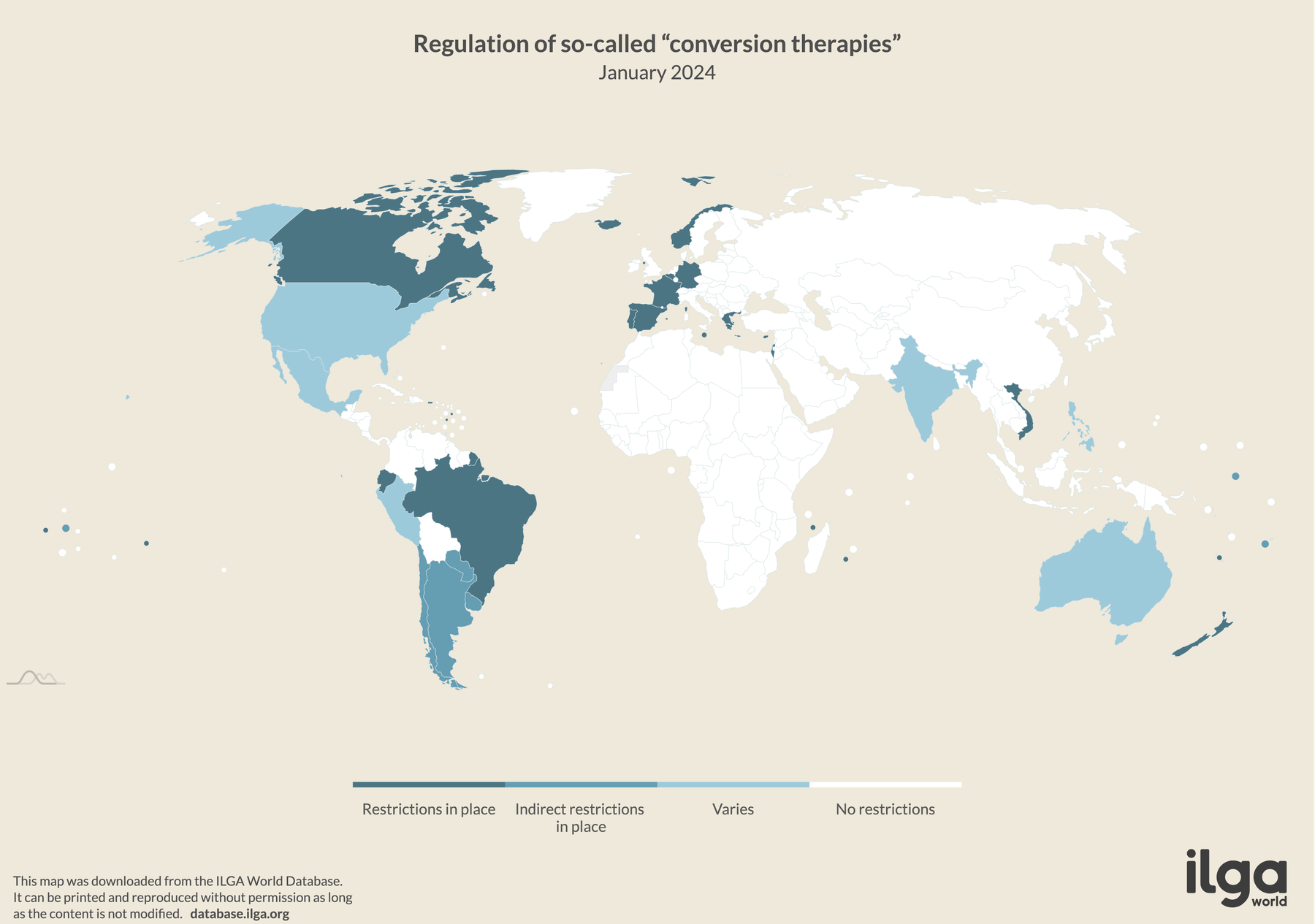
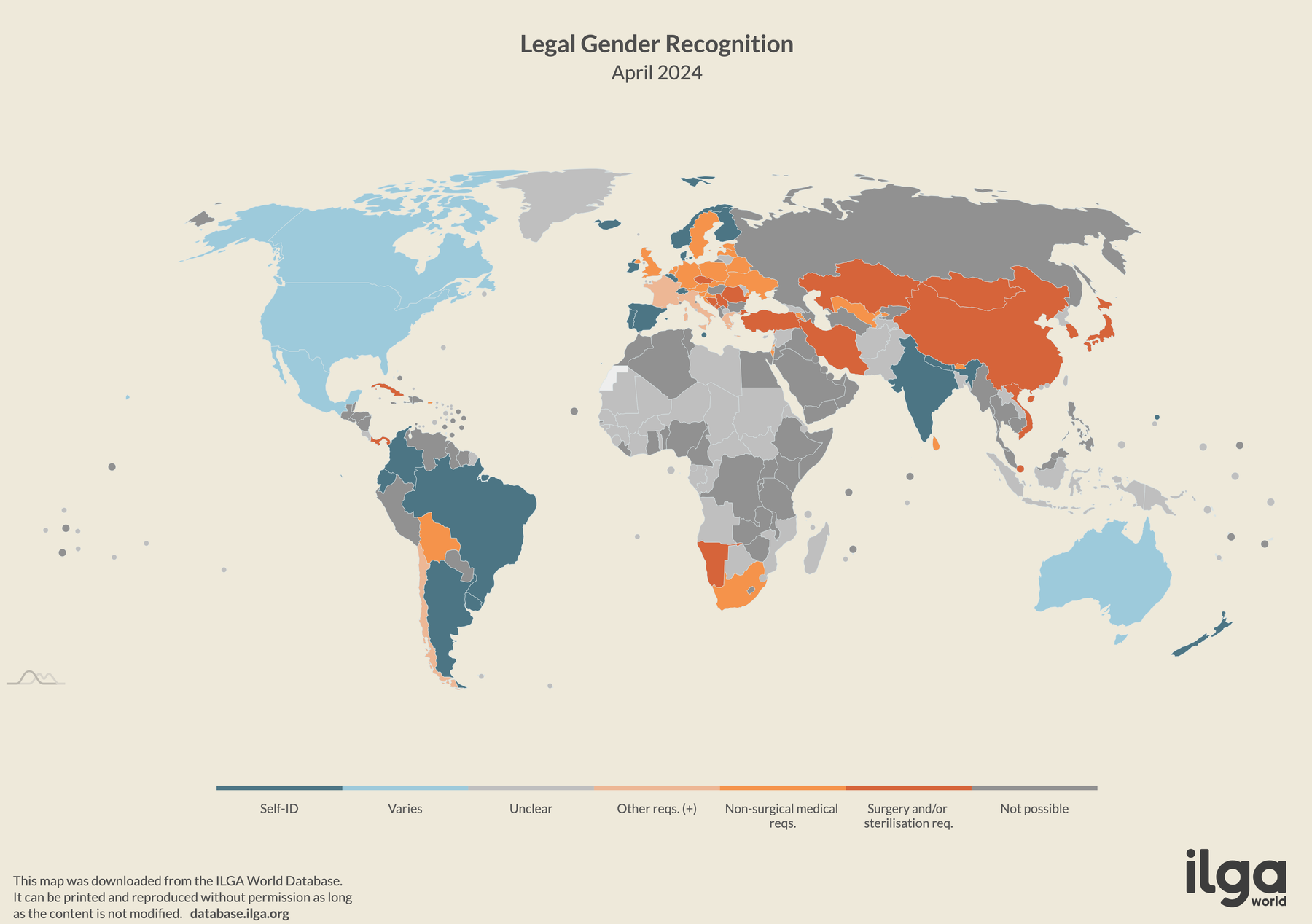
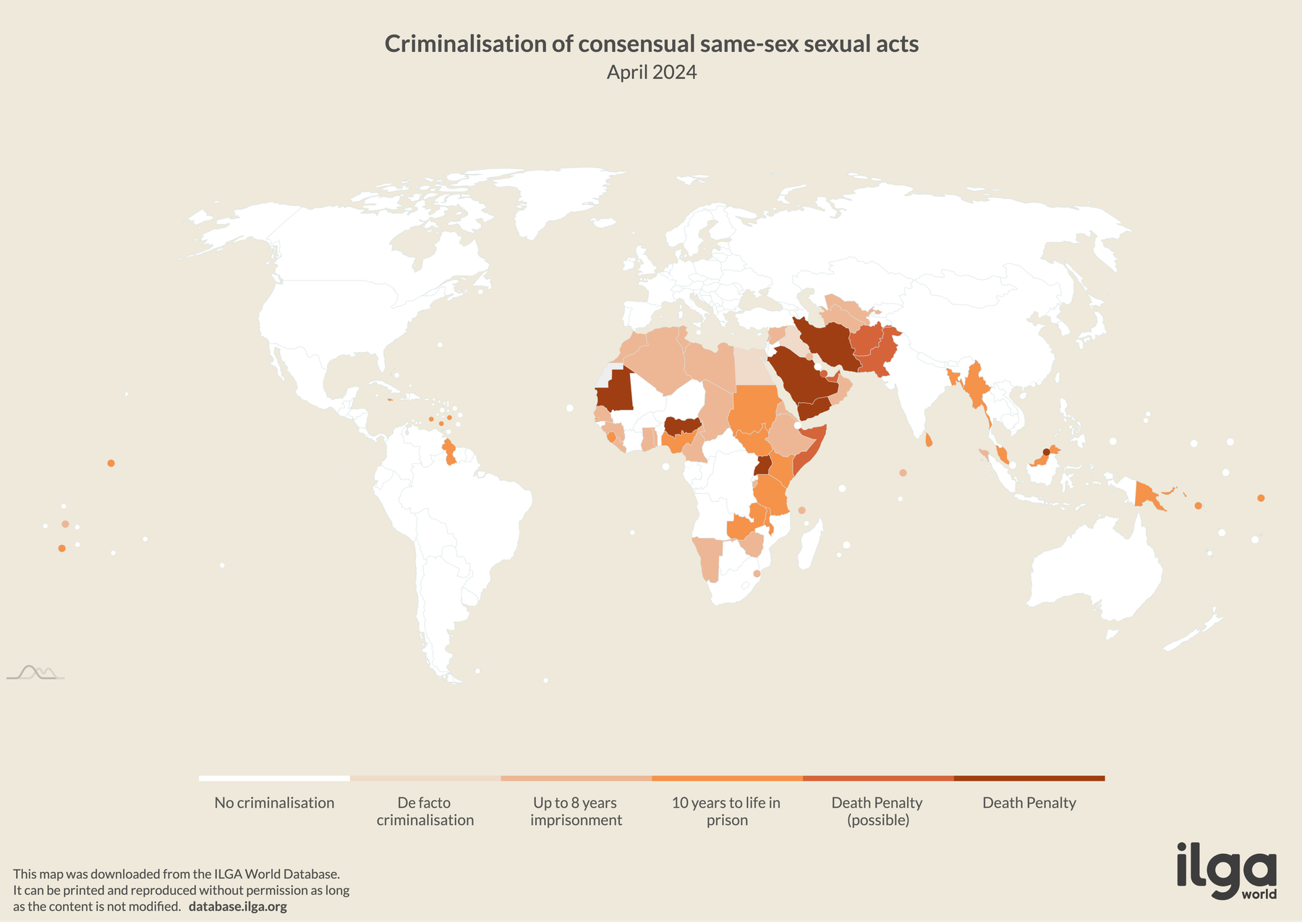
Notes
LGBT Rights by Country & Travel Guide | Equaldex
Notes
- Hasan seems to think Arabs lack agency, are controlled by the West
- How Christianity stopped slavery, not Islam
References
- Cultural Inferiority
- Are Some Cultures Inferior to Others? | Nigel Biggar - YouTube
- Colonialism_ A Moral Reckoning copy.pdf (file not included in this release) Chapter 3