
DESCRIPTION
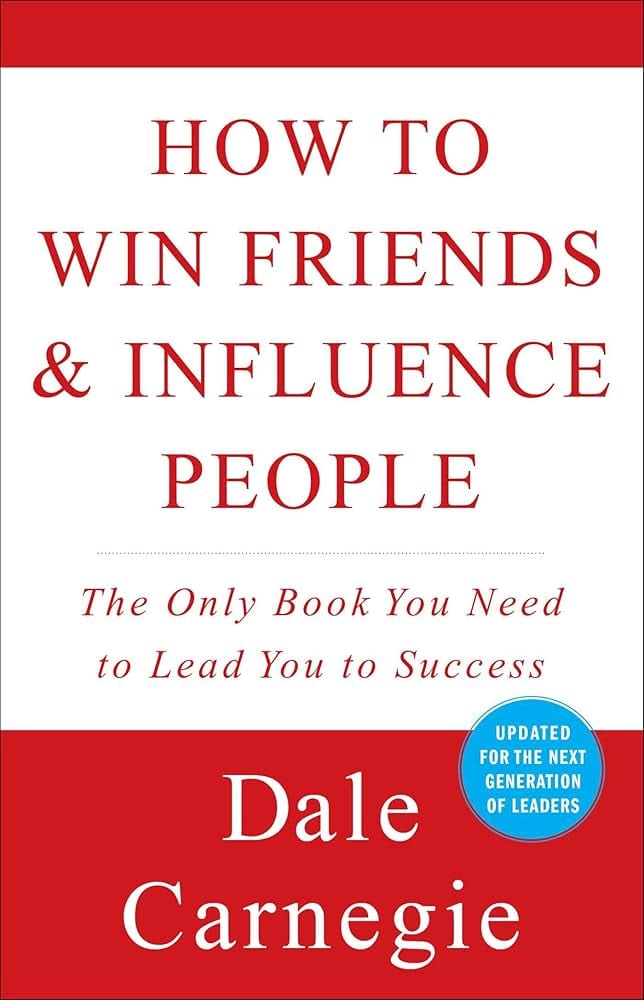
How to Win Friends and Influence People is the first, and still the finest, book of its kind. One of the best-known motivational books in history, Dale Carnegie’s groundbreaking work has sold millions of copies, has been translated into almost every known written language, and has helped countless people succeed in both their business and personal lives. First published in 1937, Carnegie’s advice has remained relevant for generations because he addresses timeless questions about the fine art of getting along with people: How can you make people like you instantly? How can you persuade people to agree with you? How can you speak frankly to people without giving offense? The ability to read others and successfully navigate any social situation is critically important to those who want to get a job, keep a job, or simply expand their social network. The core principles of this book, originally written as a practical, working handbook on human relations, are proven effective. Carnegie explains the fundamentals of handling people with a positive approach; how to make people like you and want to help you; how to win people to your way of thinking without conflict; and how to be the kind of leader who inspires quality work, increased productivity, and high morale. As Carnegie explains, the majority of our success in life depends on our ability to communicate and manage personal relationships effectively, whether at home or at work. How to Win Friends and Influence People will help you discover and develop the people skills you need to live well and prosper.
My Summary
Main Ideas, Takeaways & Similarities
Questions
I. What is the problem?
A. How is this problem formulated?
B. Why is this problem important?
C. What is the history of this problem?
D. Which prominent personalities have been interested in this problem?
II. What solutions to the problem are there?
A. What are the conclusions reached?
B. By what argument(s) is the conclusion reached?
C. What facts or assumptions serve as premises?
D. When a prominent personality offers a solution, does he also argue for or against other prominent personalities? Does he raise objections to alternative solutions? Does he consider objections to his own solutions?
III. Evaluation
A. What are the advantages and disadvantages of the alternative formulations to the problem?
B. Has the importance or history of the problem ever been misrepresented?
C. Are the solutions logically related to the premises?
D. Are the facts true? Are the assumptions acceptable? Are the objections answerable?
AI Summary
Highlights
How to Win Friends & Influence People
Author: Carnegie, Dale
URL: https://www.amazon.com/gp/product/0671723650/ref=ppx_yo_dt_b_search_asin_title?ie=UTF8&psc=1
Category: Books
Genre: Self-Improvement, Social Science
“How to Win Friends & Influence People” by Dale Carnegie is a self-help book that provides practical advice on interpersonal relationships and effective communication. Here is a thorough summary of the book in bullet points:
- Title: How to Win Friends & Influence People
- Author: Dale Carnegie
Introduction:
- Published in 1936, the book remains a timeless guide for improving social and professional interactions.
- Emphasizes the importance of understanding and influencing people positively.
Part 1: Fundamental Techniques in Handling People
- Principle 1: Don’t criticize, condemn, or complain.
- Encourages avoiding criticism and focusing on constructive communication.
- Principle 2: Give honest and sincere appreciation.
- Highlights the importance of genuine praise and recognition.
- Principle 3: Arouse in the other person an eager want.
- Advocates understanding others’ desires and aligning your requests with their interests.
Part 2: Six Ways to Make People Like You
- Principle 4: Become genuinely interested in other people.
- Encourages active listening and showing a sincere interest in others.
- Principle 5: Smile.
- Discusses the power of a genuine smile in creating a positive impression.
- Principle 6: Remember that a person’s name is, to that person, the sweetest sound in any language.
- Emphasizes the importance of remembering and using people’s names.
- Principle 7: Be a good listener. Encourage others to talk about themselves.
- Discusses the value of being an attentive listener and allowing others to share their thoughts.
- Principle 8: Talk in terms of the other person’s interest.
- Advises tailoring conversations to topics that interest the other person.
- Principle 9: Make the other person feel important—and do it sincerely.
- Advocates showing genuine appreciation and respect for others.
Part 3: How to Win People to Your Way of Thinking
- Principle 10: The only way to get the best of an argument is to avoid it.
- Encourages avoiding unnecessary arguments and finding common ground.
- Principle 11: Show respect for the other person’s opinions. Never say, “You’re wrong.”
- Advises respecting differing opinions and offering alternatives.
- Principle 12: If you are wrong, admit it quickly and emphatically.
- Emphasizes the importance of admitting mistakes and taking responsibility.
- Principle 13: Begin in a friendly way.
- Suggests starting conversations and negotiations with a friendly approach.
- Principle 14: Get the other person saying, “Yes, yes” immediately.
- Discusses the power of agreement and getting the other person to say “yes.”
- Principle 15: Let the other person feel that the idea is theirs.
- Encourages involving others and making them feel ownership of ideas.
- Principle 16: Try honestly to see things from the other person’s point of view.
- Advocates empathy and understanding others’ perspectives.
- Principle 17: Be sympathetic with the other person’s ideas and desires.
- Emphasizes being supportive and considering others’ viewpoints.
- Principle 18: Appeal to the nobler motives.
- Suggests appealing to the higher ideals and values of others.
- Principle 19: Dramatize your ideas.
- Encourages making ideas more engaging and persuasive.
- Principle 20: Throw down a challenge.
- Discusses the use of challenges to motivate and engage others.
- Principle 21: Begin with praise and honest appreciation.
- Advises starting conversations with positive feedback before addressing concerns.
- Principle 22: Call attention to people’s mistakes indirectly.
- Encourages addressing mistakes in a tactful and constructive manner.
- Principle 23: Talk about your own mistakes before criticizing the other person.
- Advocates humility and sharing personal mistakes as a form of empathy.
- Principle 24: Ask questions instead of giving direct orders.
- Discusses the power of asking questions to guide others.
- Principle 25: Let the other person save face.
- Advises avoiding humiliation or embarrassment for others.
- Principle 26: Praise the slightest improvement and praise every improvement. Be “hearty in your approbation and lavish in your praise.”
- Emphasizes the importance of positive reinforcement.
- Principle 27: Give the other person a fine reputation to live up to.
- Encourages setting high expectations and encouraging others to meet them.
Part 4: Be a Leader: How to Change People Without Giving Offense or Arousing Resentment
- Principle 28: Give the dog a good name.
- Discusses the power of reputation and creating a positive image.
- Principle 29: Use encouragement. Make the fault seem easy to correct.
- Advises motivating others through encouragement rather than criticism.
- Principle 30: Make the other person happy about doing what you suggest.
- Encourages creating enthusiasm and a positive attitude toward suggestions.
Conclusion:
- Summarizes the key principles for improving relationships and communication.
- Emphasizes the transformative impact of understanding and positively influencing others.
“How to Win Friends & Influence People” by Dale Carnegie remains a classic guide for enhancing interpersonal skills, building rapport, and achieving success in personal and professional life.