March 21 – June 9 2026, pp. 57 — Cuba → open PDF p63 (file not included in this release)
Index: Personal Journal
Cuba.base (file not included in this release)
Reading
Reading Track - Cuba — the full five-pass Cuban history curriculum: the spine, the turning points, how power actually worked, the exile and diaspora world, and the policy layer read last · hub: Reading Lists
Queen of Cuba — Ana Montes, Cuban intelligence, and U.S. counterintelligence.
China Spying in Cuba — evidence and source trail on alleged Chinese intelligence facilities.
Havana after the British conquest — Scenographia Americana, plates 19–24
What these images are
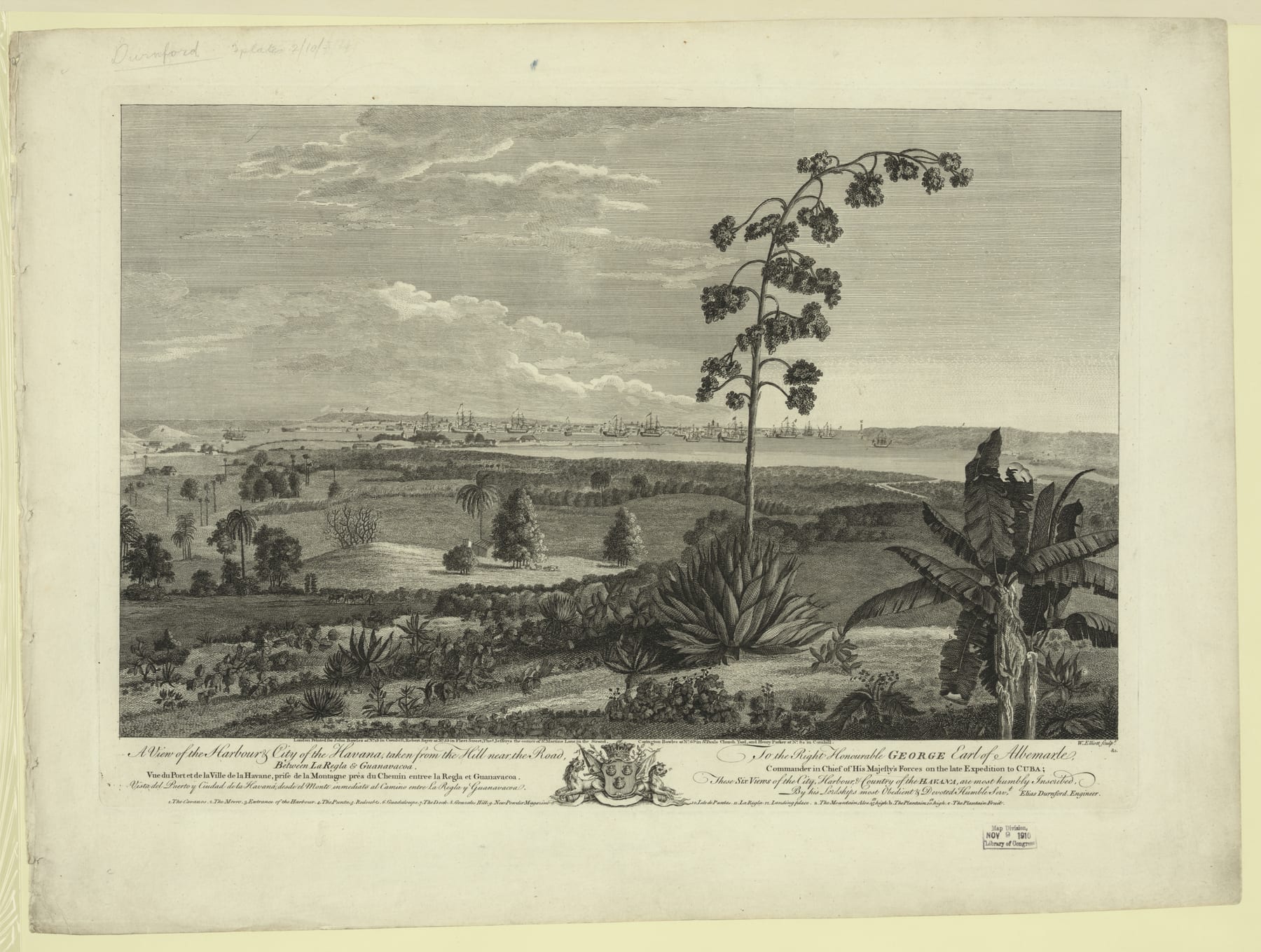
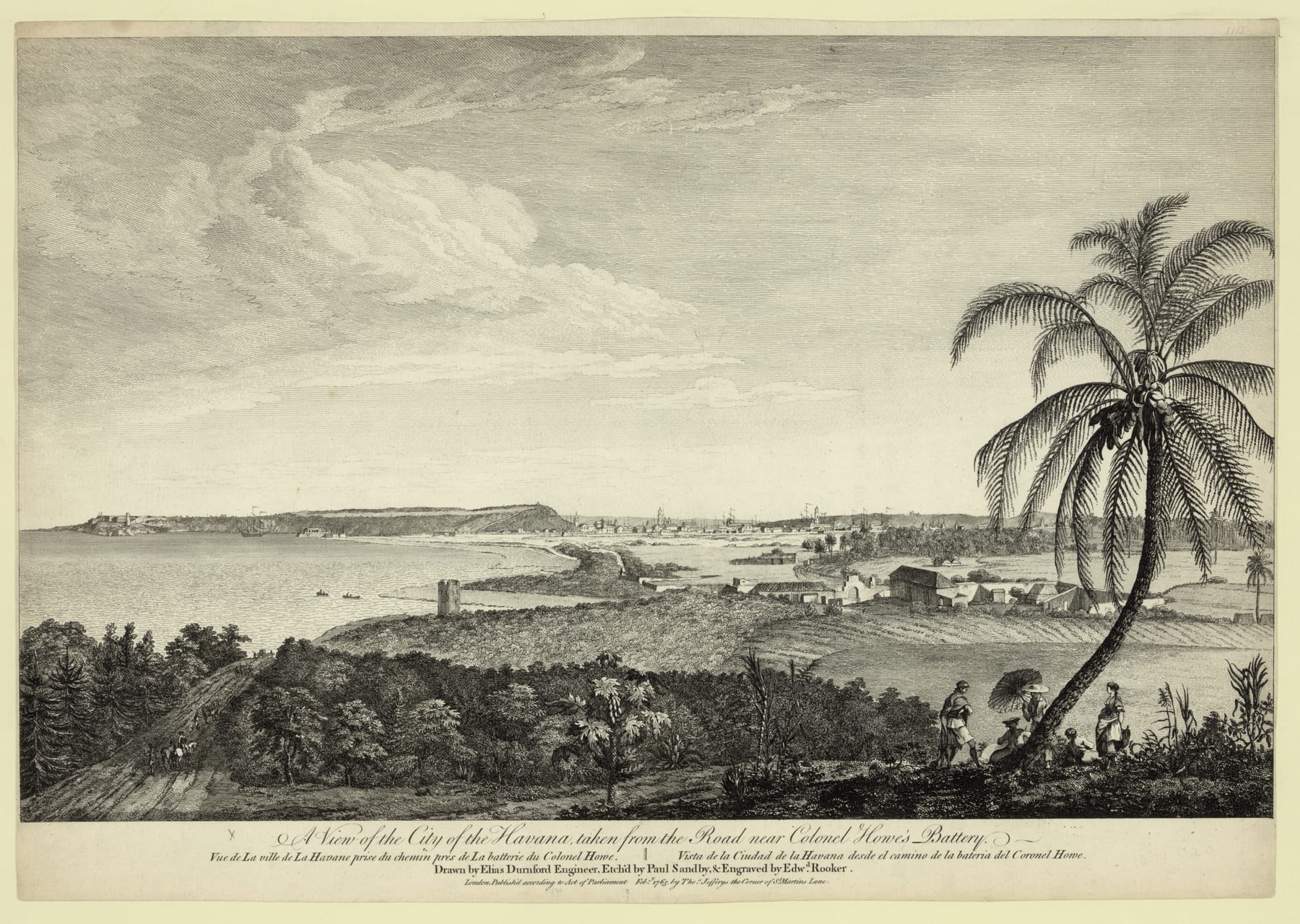
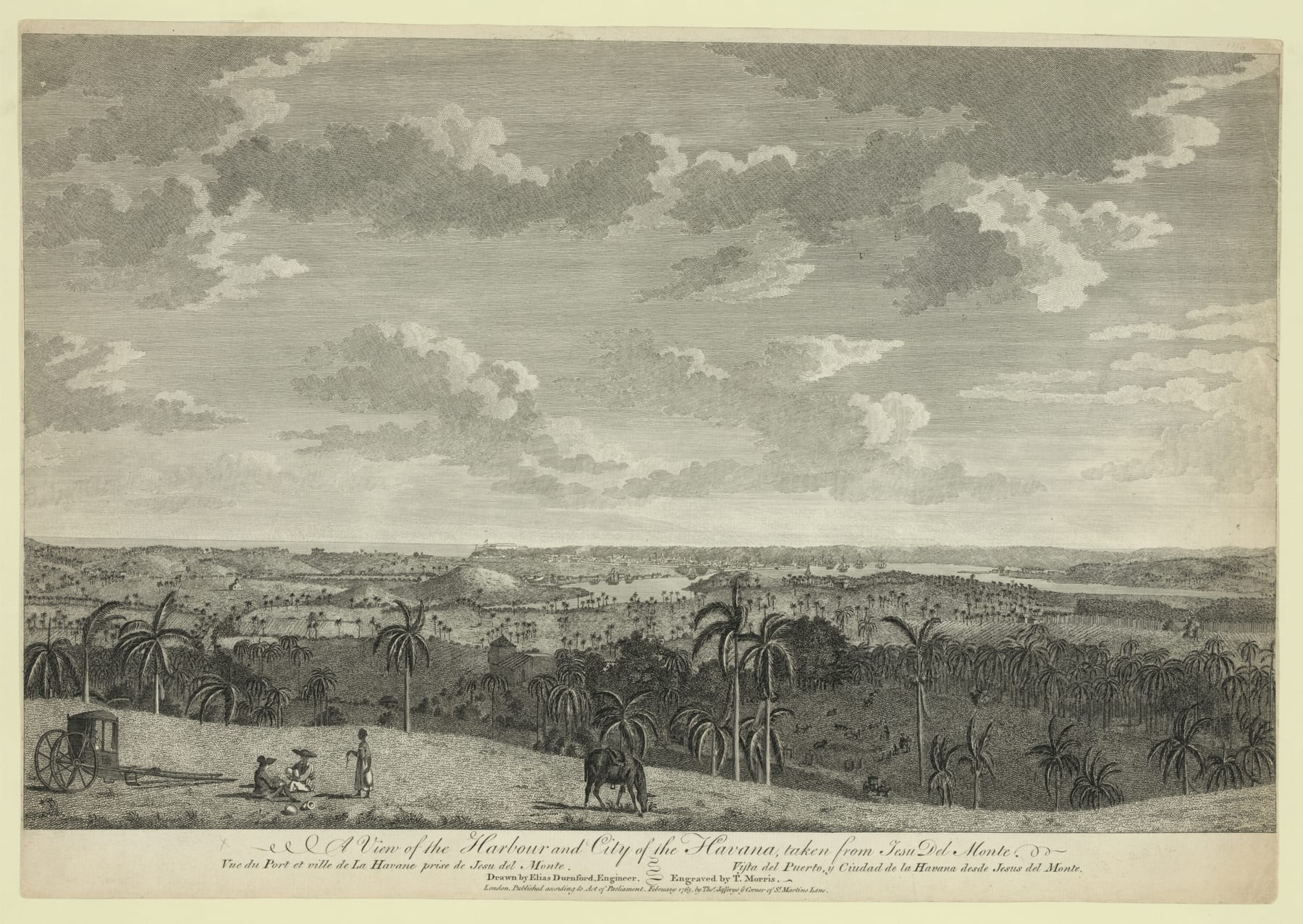
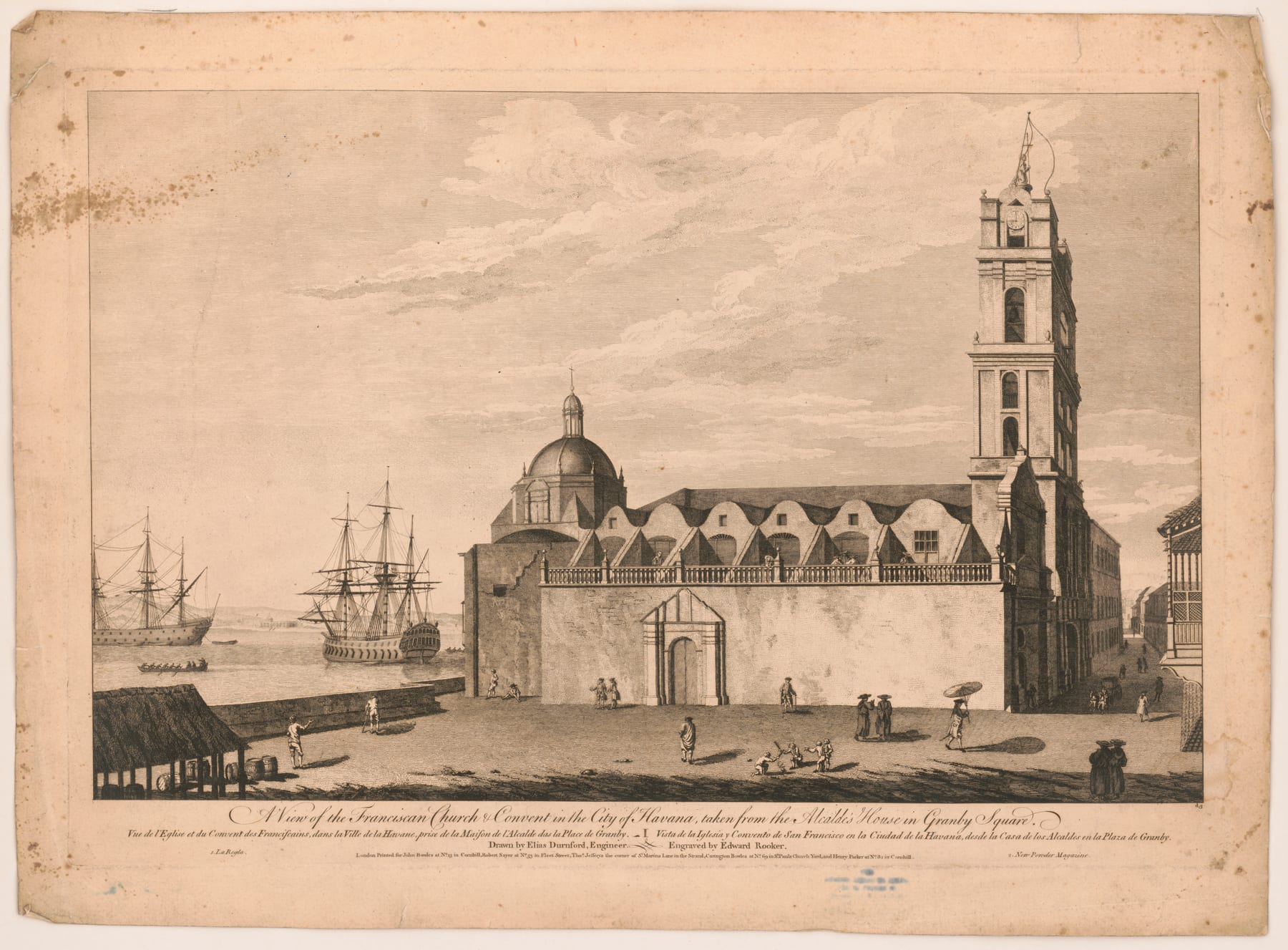
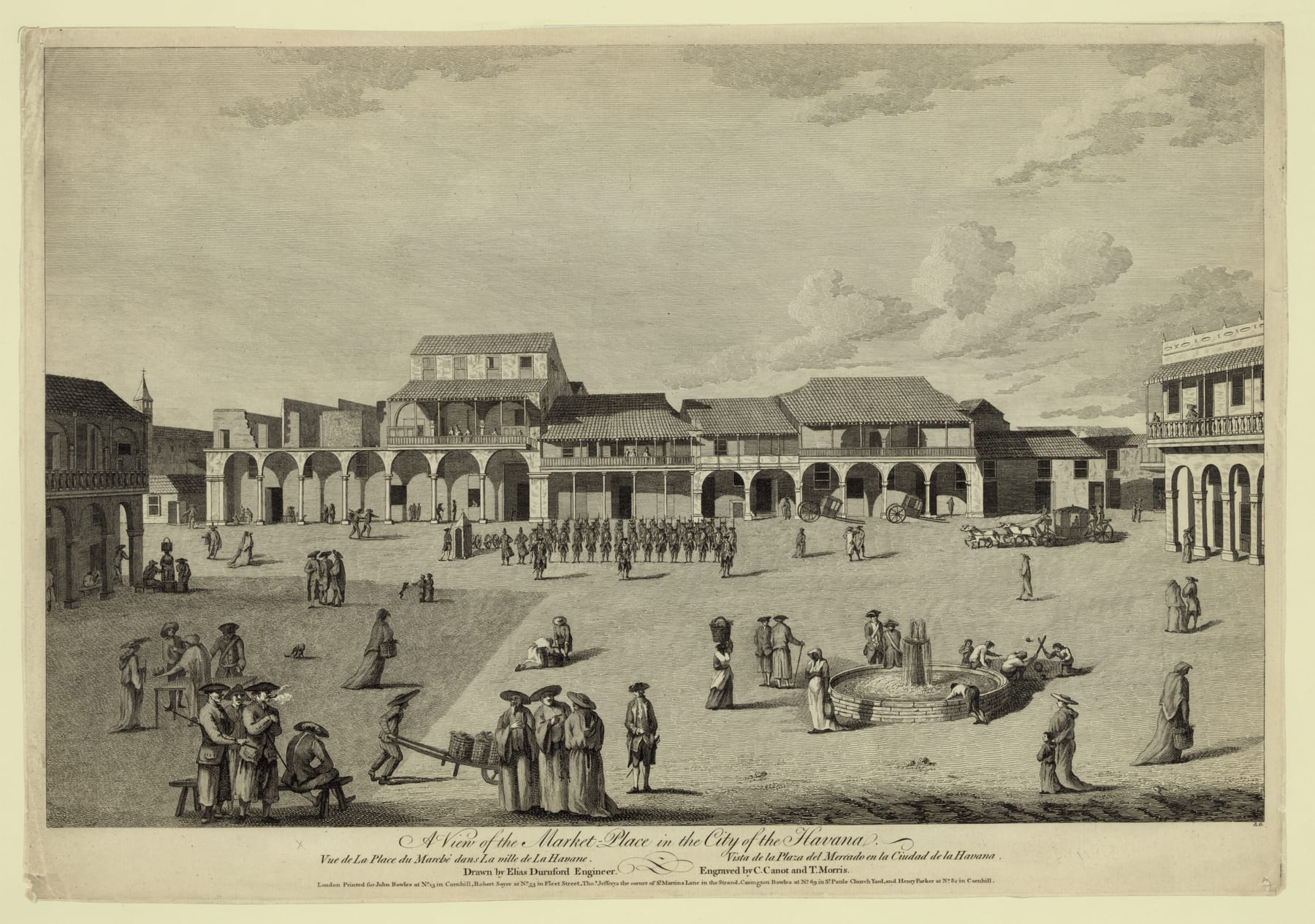
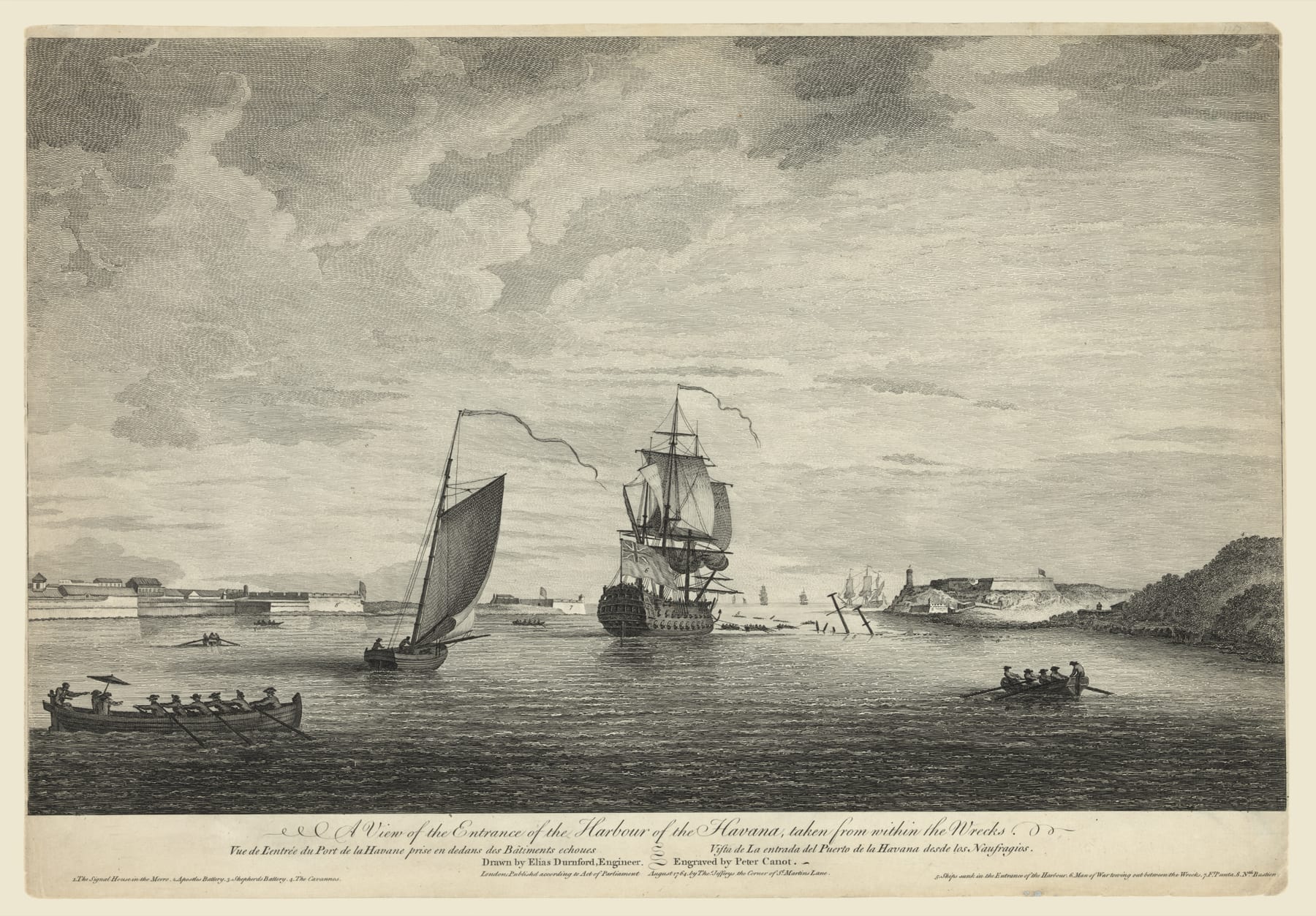
These are engraved prints, not photographs. They were made from views by British military engineer Elias Durnford after Britain captured Havana in 1762; individual impressions were published from 1764 onward and the six-view Havana sequence was collected as plates 19–24 of the 1768 Scenographia Americana. In Anderson’s visual epilogue, the portfolio is read as an imperial narrative rather than a neutral record: it turns a costly, contingent conquest into an orderly landscape of British power. Plates 20–21 place creoles and enslaved people within an “exotic” setting; plates 22–23 insert British warships and troops into Havana’s religious and civic spaces; plate 24 ends with a warship leaving past wrecks while British flags fly over the Punta and Morro. See also Chapter 51 — Havana.
The local files below are display-ready 6,000-pixel JPEG derivatives made from the Library of Congress’s highest-resolution TIFF masters (8,548–10,419 pixels wide). The LOC records report no known restrictions on publication.
Plate 19 — Harbour and city from La Regla–Guanavacoa
“A View of the Harbour & City of the Havana, taken from the Hill near the Road, Between La Regla & Guanavacoa.” Elias Durnford; engraved by William Elliot; London, c. 1764. The foreground vegetation includes the dramatically bent mountain aloe that Anderson identifies as part of the sequence’s staging of tropical difference. Library of Congress record · Book plate 19, PDF p. 531 (file not included in this release)
Plate 20 — City from the road near Colonel Howe’s Battery
“A View of the City of the Havana, taken from the Road near Colonel Howe’s Battery.” Drawn by Elias Durnford, etched by Paul Sandby, and engraved by Edward Rooker; London, February 1765. Library of Congress record · Book plate 20, PDF p. 532 (file not included in this release)
Plate 21 — Harbour and city from Jesús del Monte
“A View of the Harbour and City of the Havana, taken from Jesu del Monte.” Drawn by Elias Durnford and engraved by Thomas Morris; London, February 1765. Library of Congress record · Book plate 21, PDF p. 533 (file not included in this release)
Plate 22 — Franciscan church and convent
“A View of the Franciscan Church & Convent in the City of Havana, taken from the Alcalde’s House in Granby Square.” Drawn by Elias Durnford and engraved by Edward Rooker; London, 1768. British men-of-war appear at anchor beside the church. Library of Congress record · Book plate 22, PDF p. 534 (file not included in this release)
Plate 23 — Market place
“A View of the Market Place in the City of the Havana.” Drawn by Elias Durnford and engraved by Pierre-Charles Canot and Thomas Morris; London, 1768. The crowded plaza includes vendors, townspeople, carriages, sailors, and a British infantry company in formation. Library of Congress record · Book plate 23, PDF p. 535 (file not included in this release)
Plate 24 — Harbour entrance from within the wrecks
“A View of the Entrance of the Harbour of the Havana, taken from within the Wrecks.” Drawn by Elias Durnford and engraved by Peter Canot; London, August 1764. Boat crews tow a man-of-war toward the harbor mouth; wreckage remains in the channel, and the Punta and Morro Castle display British flags. Library of Congress record · Book plate 24, PDF p. 536 (file not included in this release)